
“Should I Wait… or Should I Get It Checked?”
This is the most common question people have when dealing with hemorrhoids.
Because let’s be real:
- The symptoms can feel manageable at first
- You might try diet changes or basic care
- And for a while, things may even improve
So naturally, you think:
- “Maybe it’s not serious.”
But here’s where things get tricky:
Hemorrhoids don’t always stay mild. And waiting too long can turn a simple issue into a painful one.
This blog will help you understand:
- When it’s okay to manage at home
- When you should stop waiting
- And when it’s important to see a doctor
First, Let’s Set the Context
Most hemorrhoids are not dangerous.
In fact, many cases:
- Improve with lifestyle changes
- Don’t require medical procedures
But…
- Not all symptoms should be ignored.
When It’s Okay to Wait (Mild Cases)
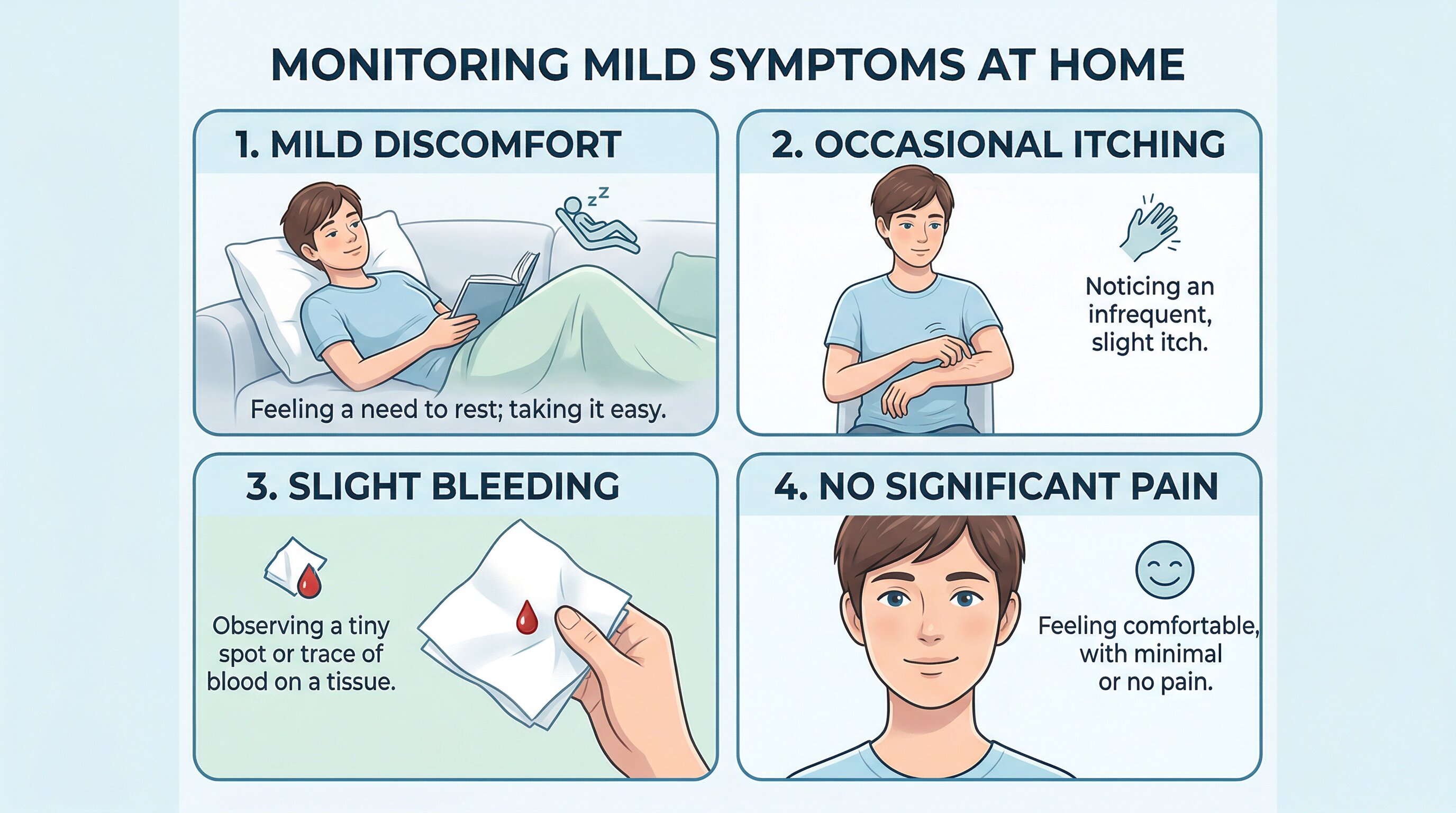
You can usually monitor symptoms if they are:
- Mild discomfort
- Occasional itching
- Slight bleeding (once or twice)
- No significant pain
In these cases, improving diet and habits often helps.
But Here’s Where You Should Pause and Reconsider
If symptoms go beyond mild, waiting may not be the best idea.
7 Signs You Should See a Doctor for Hemorrhoids
1. Bleeding That Keeps Coming Back
Occasional bleeding can happen. But if you notice:
- Frequent blood during bowel movements
- Blood appearing repeatedly
This needs evaluation.
Why?
Not all bleeding is due to hemorrhoids. Other conditions can also cause it-and it’s important to rule them out.
2. Severe or Increasing Pain
Pain is a major signal.
- Sharp pain
- Pain that worsens over time
- Pain that interferes with sitting or walking
Don’t ignore it.
Possible reasons:
- External hemorrhoids
- Thrombosed hemorrhoids
- Or even a fissure
(You can also read our comparison blog on hemorrhoids vs fissure – here.)
3. A Lump That Doesn’t Go Away
Feeling a lump can be alarming.
When to be concerned:
- The lump persists
- It becomes more painful
- It doesn’t reduce over time
This may require medical assessment.
4. Symptoms Lasting More Than a Week
Time matters.
If symptoms:
- Continue beyond 7–10 days
- Don’t improve with basic care
It’s a sign your body needs more than home management.
5. Difficulty Sitting or Daily Discomfort
When hemorrhoids start affecting your routine:
- Sitting becomes uncomfortable
- Daily activities feel restricted
This is no longer a “minor issue.”
6. Recurring Hemorrhoids
If symptoms keep coming back:
- Even after improvement
- Even after lifestyle changes
There may be an underlying issue that needs attention.
7. Uncertainty About What You’re Experiencing
Sometimes the biggest reason to see a doctor is simple:
- You’re not sure what it is.
Because symptoms can overlap with:
- Anal fissures
- Other digestive conditions
Guessing can lead to wrong treatment.
What Happens If You Delay Too Long?
This is where many people regret waiting.
Possible progression:
- Mild symptoms → moderate discomfort
- Discomfort → pain
- Pain → swelling and complications
In some cases:
- Hemorrhoids may prolapse
- Clots may form
- Treatment becomes more complex
Early action = simpler solutions
What to Expect During a Doctor Visit
Let’s remove the fear around this.
A consultation usually involves:
- Understanding your symptoms
- Basic physical examination
- Simple questions about your lifestyle
Most evaluations are quick and straightforward.
Important:
Doctors deal with this every day. There’s no need to feel embarrassed.
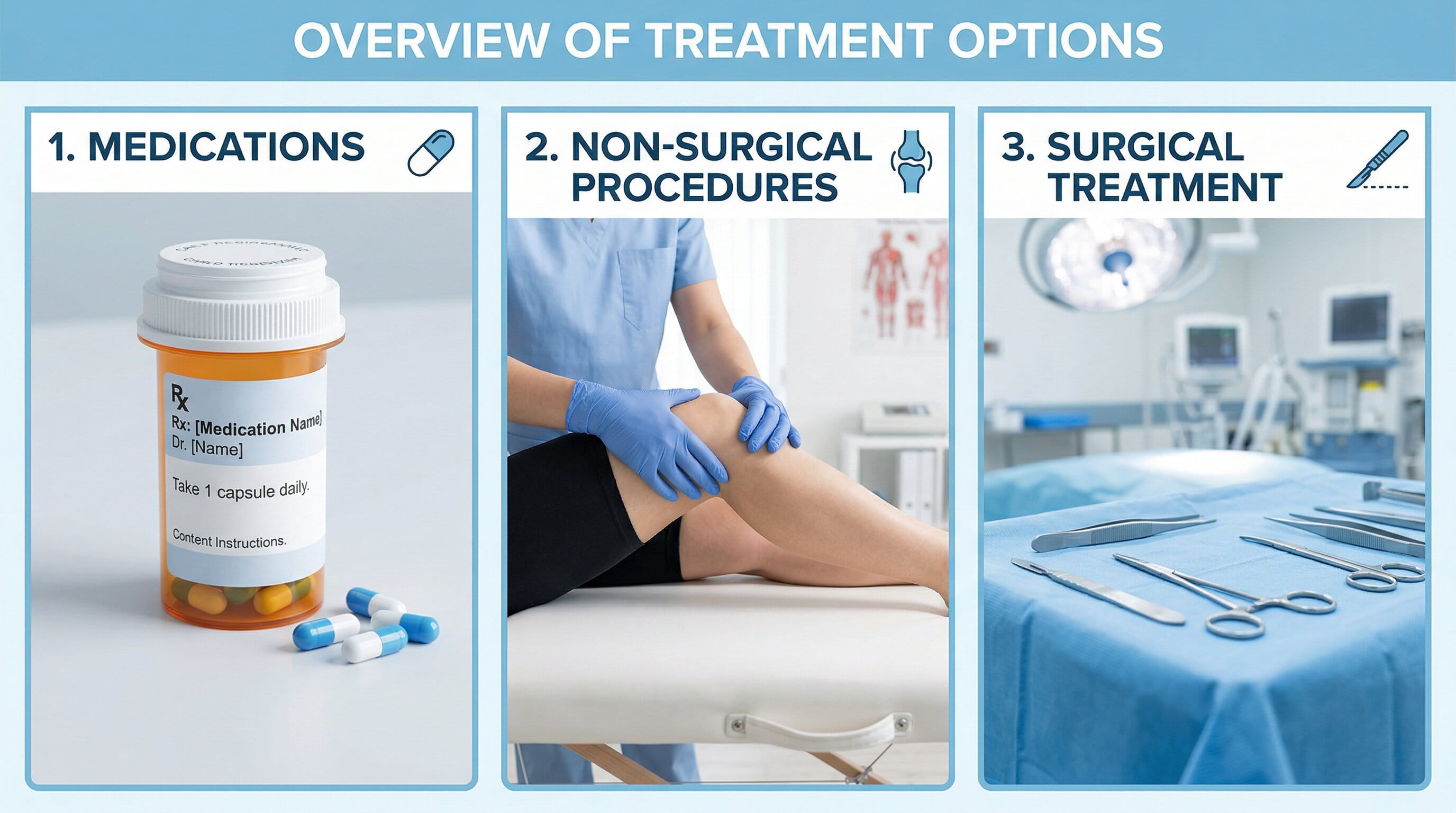
Treatment Options (If Needed)
Depending on your condition, a doctor may suggest:
- Medications
For mild to moderate cases - Non-Surgical Procedures
Quick and effective options - Surgical Treatment
Only for severe or persistent cases
The goal is always to start with the least invasive option.
Common Reasons People Delay (And Why You Shouldn’t)
- “It’s too embarrassing”
Doctors see this daily - “It will go away on its own”
Sometimes it does—but not always - “It’s not that serious”
Early stages rarely feel serious
How to Know You’re Making the Right Decision
Ask yourself:
- Are symptoms improving?
- Are they staying the same?
- Or are they getting worse?
If it’s not improving → don’t wait
Prevention Still Matters
Even if you see a doctor, prevention is key.
Focus on:
- Fiber-rich diet
- Hydration
- Avoiding strain
- Regular movement
These habits reduce recurrence.
Final Thought
The goal isn’t to panic—it’s to be aware.
Most hemorrhoids are manageable. But knowing when to act makes all the difference.
- Waiting too long can complicate things
- Acting early keeps things simple