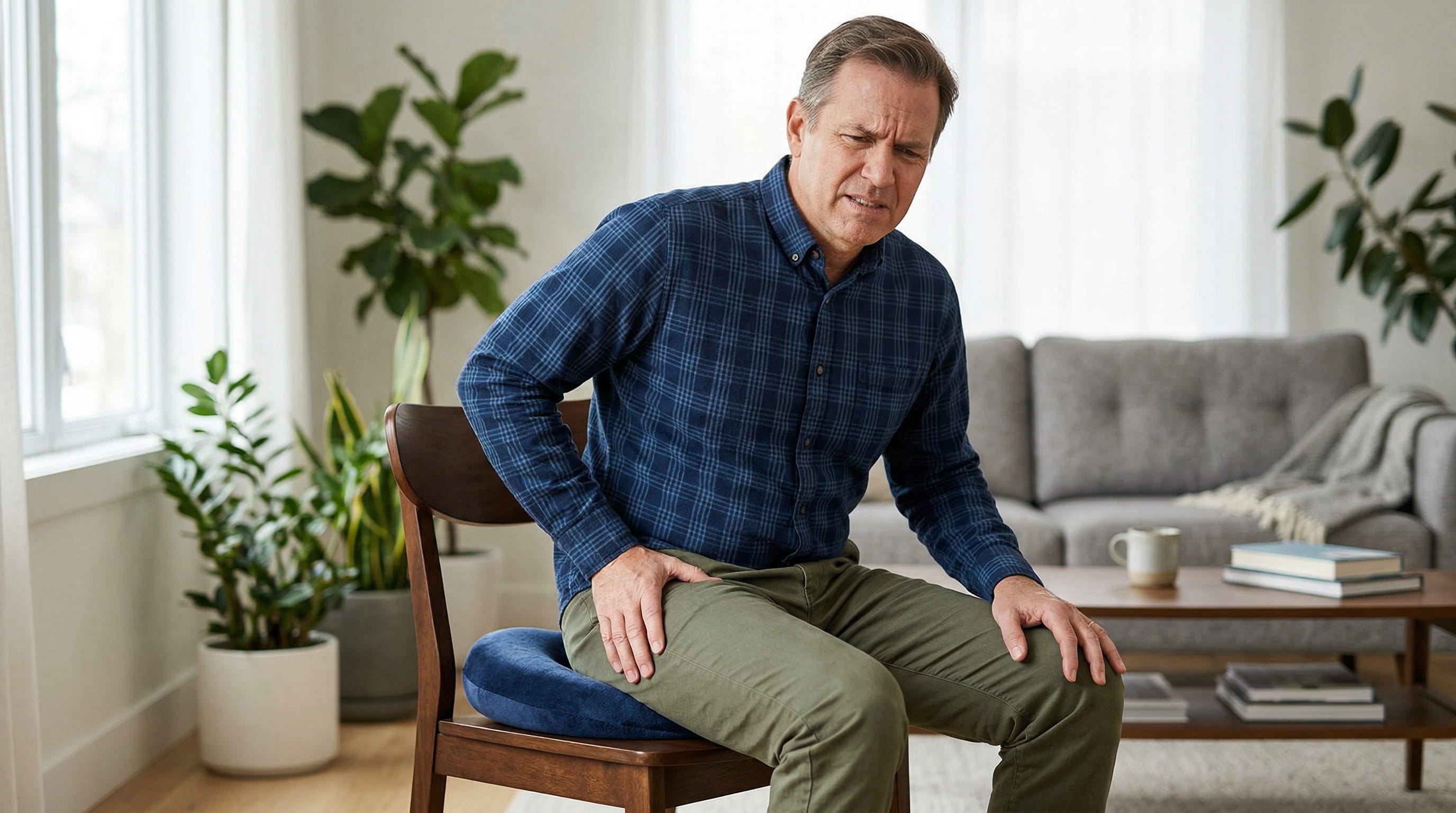
It’s Not Just “One Bad Day”… It’s a Pattern
Most people think hemorrhoids happen suddenly. One day everything feels fine—and the next, there’s discomfort, itching, or even bleeding.
But here’s what’s actually happening behind the scenes:
- Hemorrhoids don’t appear overnight.
- They build up over time—through small, everyday habits.
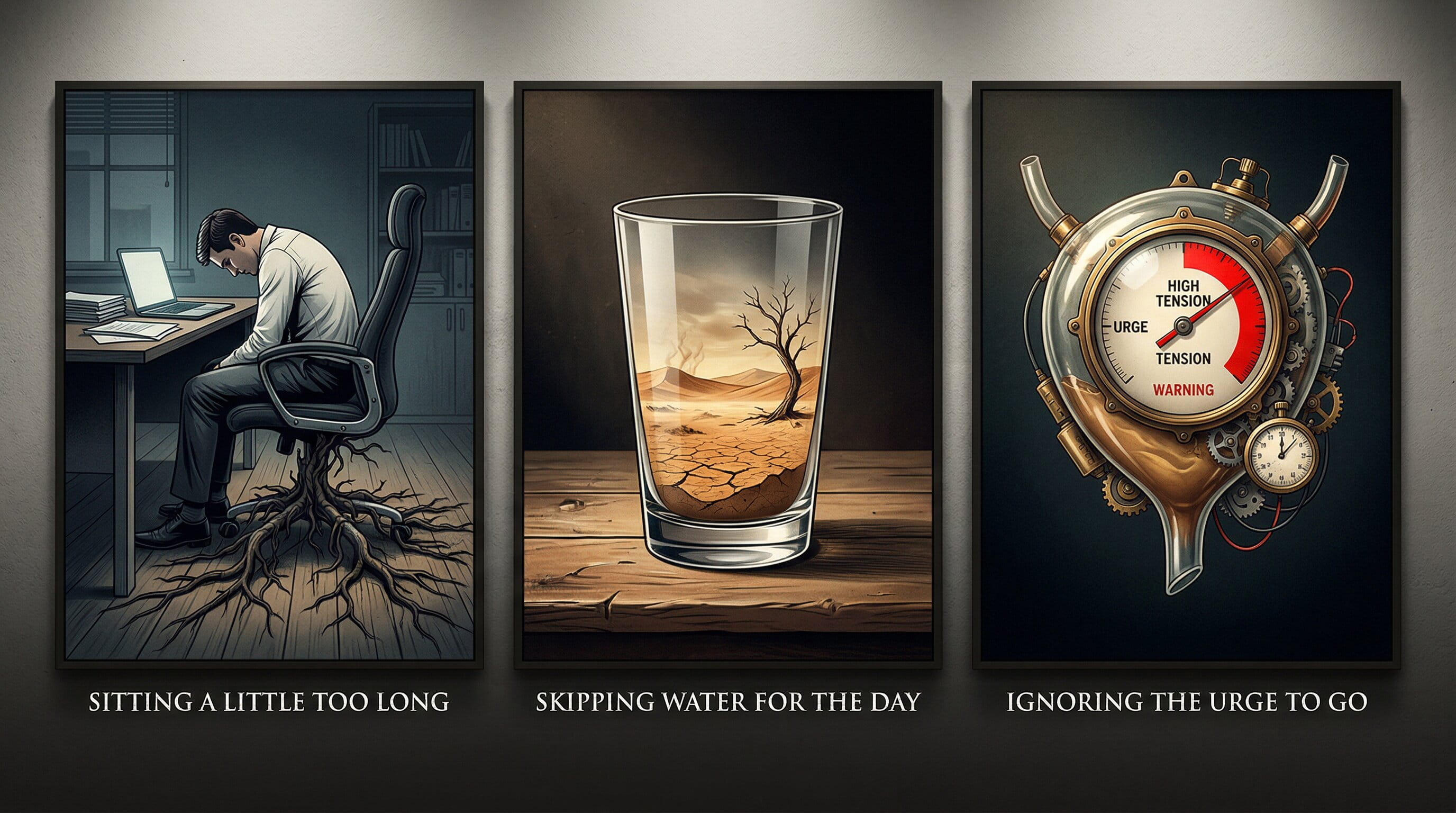
Things that seem harmless:
- Sitting a little too long
- Skipping water for the day
- Ignoring the urge to go
…can slowly create the perfect conditions for hemorrhoids.
This blog will help you understand what really causes hemorrhoids—so you can not only treat them, but prevent them from coming back.
First, What’s Happening Inside Your Body?
Hemorrhoids are swollen veins in the lower rectum or around the anus. These veins are sensitive to pressure.
When pressure increases repeatedly, they:
- Stretch
- Swell
- Become inflamed
Over time, this leads to hemorrhoids.
The Root Cause: Pressure in the Lower Rectum
Almost every cause of hemorrhoids connects back to one thing:
- Increased pressure
Now let’s break down what actually creates that pressure in daily life.
8 Common Causes of Hemorrhoids (That Most People Ignore)
1. Chronic Constipation (The Biggest Trigger)
If there’s one cause that stands out, it’s this. Constipation leads to:
- Hard stools
- Straining during bowel movements
- Increased pressure in rectal veins
Why It’s So Common
Modern lifestyle:
- Low fiber diet
- Processed foods
- Irregular eating habits
The Hidden Cycle
Constipation → Straining → Hemorrhoids → Pain → Avoiding bathroom → Worse constipation
Breaking this cycle is key to recovery.
2. Straining During Bowel Movements
Even without constipation, straining can happen when:
- You rush bowel movements
- You force it when your body isn’t ready
What Happens Internally
Straining puts sudden pressure on rectal veins, causing them to:
- Expand
- Weaken over time
This is one of the fastest ways to trigger hemorrhoids.
3. Sitting for Too Long (Especially on the Toilet)
This is one of the most underrated causes.
Daily Reality:
- Desk job → long sitting hours
- Toilet time → scrolling on phone
Why It Matters
Sitting increases pressure in the lower body, especially:
- Rectal veins
- Pelvic region
Pro tip: Your toilet is not your second office.
4. Low-Fiber Diet
Fiber plays a major role in digestion. Without enough fiber:
- Stool becomes hard
- Bowel movements become difficult
What a Low-Fiber Diet Looks Like:
- High processed food
- Low fruits and vegetables
- Skipping whole grains
The Result:
More strain → more pressure → higher risk of hemorrhoids
5. Not Drinking Enough Water
Hydration is often overlooked—but it’s crucial. Water helps:
- Soften stool
- Support smooth digestion
Without Enough Water:
Stool becomes dry and hard, and passing stool requires effort.
Even a good diet won’t help if hydration is poor.
6. Pregnancy
Hemorrhoids are very common during pregnancy.
Why?
- Increased pressure from the uterus
- Hormonal changes slow digestion
- Higher chances of constipation
This is usually temporary—but still needs management.
7. Obesity and Weight Pressure
Extra weight puts constant pressure on:
- Abdomen
- Pelvic veins
The Impact:
- Reduced blood flow
- Increased strain on veins
Over time, this contributes to hemorrhoid development.

8. Heavy Lifting and Physical Strain
Regularly lifting heavy objects incorrectly can:
- Increase abdominal pressure
- Strain rectal veins
Who Is at Risk?
- Gym beginners lifting without form
- Jobs involving physical labor
It’s not about avoiding lifting—but doing it right.
Modern Lifestyle = Perfect Setup for Hemorrhoids
Let’s connect the dots. A typical day might look like:
- Sitting for 8–10 hours
- Low water intake
- Quick, low-fiber meals
- Delaying bathroom breaks
This combination quietly increases your risk.
Can Stress Also Play a Role? (Bonus Insight)
Yes—indirectly. Stress can:
- Disrupt digestion
- Cause irregular bowel habits
Which can lead to constipation → and eventually hemorrhoids.
Why Some People Get Hemorrhoids More Easily
You might wonder:
“Why me, but not others?”
Possible reasons:
- Genetics (weaker vein walls)
- Lifestyle patterns
- Existing digestive issues
It’s usually not one cause—but a combination.
How to Reduce Your Risk (Simple but Powerful Changes)
Improve Your Diet
Add:
- Fiber-rich foods
- Natural, whole ingredients
Hydrate Consistently
Don’t wait until you feel thirsty.
Fix Your Bathroom Habits
- Go when you feel the urge
- Don’t strain
- Keep it short
Move More
Even light activity helps digestion.
Avoid Long Sitting Sessions
Take breaks. Stand. Walk.
Biggest Mistake People Make
Thinking:
- “It’s just temporary, it’ll go away.”
But without fixing the cause, it often:
- Comes back
- Gets worse over time
When Should You Be Concerned?
You should take symptoms seriously if:
- Bleeding continues
- Pain increases
- Symptoms don’t improve
That’s when medical guidance becomes important.
Final Thought
Hemorrhoids are not just a condition—they’re often a signal.
A signal that something in your daily routine needs attention.
The good news?
- Reduce your risk
- Improve your digestion
- Prevent future discomfort
If your symptoms keep coming back despite making changes, it may be time to understand the root cause more clearly. Getting the right guidance early can help you avoid long-term discomfort.