
We offer early satiety evaluation with tailored nutrition strategies to help you enjoy comfortable meals.
Read More







We offer early satiety evaluation with tailored nutrition strategies to help you enjoy comfortable meals.
Read More
Flatulence presents timely, confidential disodorization services/launches and coaching to aid in getting you out of social encounters without much fuss.
Read More
Our proposal is inclusive care services in gastrointestinal disorders, whereby our treatment plans will be customized with better digestive health.
Read More
Professional assessment of hematemesis is an opportune diagnosis and treatment of upper gastrointestinal bleeding and compassionate care practice.
Read More
Our specialists help manage nausea with vomiting through personalized treatment plans, ensuring relief and comfort.
Read More
Odynophagia consultation service is an expert review facility with expert treatment plans to relieve painful swallowing aids in a short time.
Read More
Strict examination of pelvic pain and customized care, which can allow you to find my lasting relief and rediscover the comfort.
Read More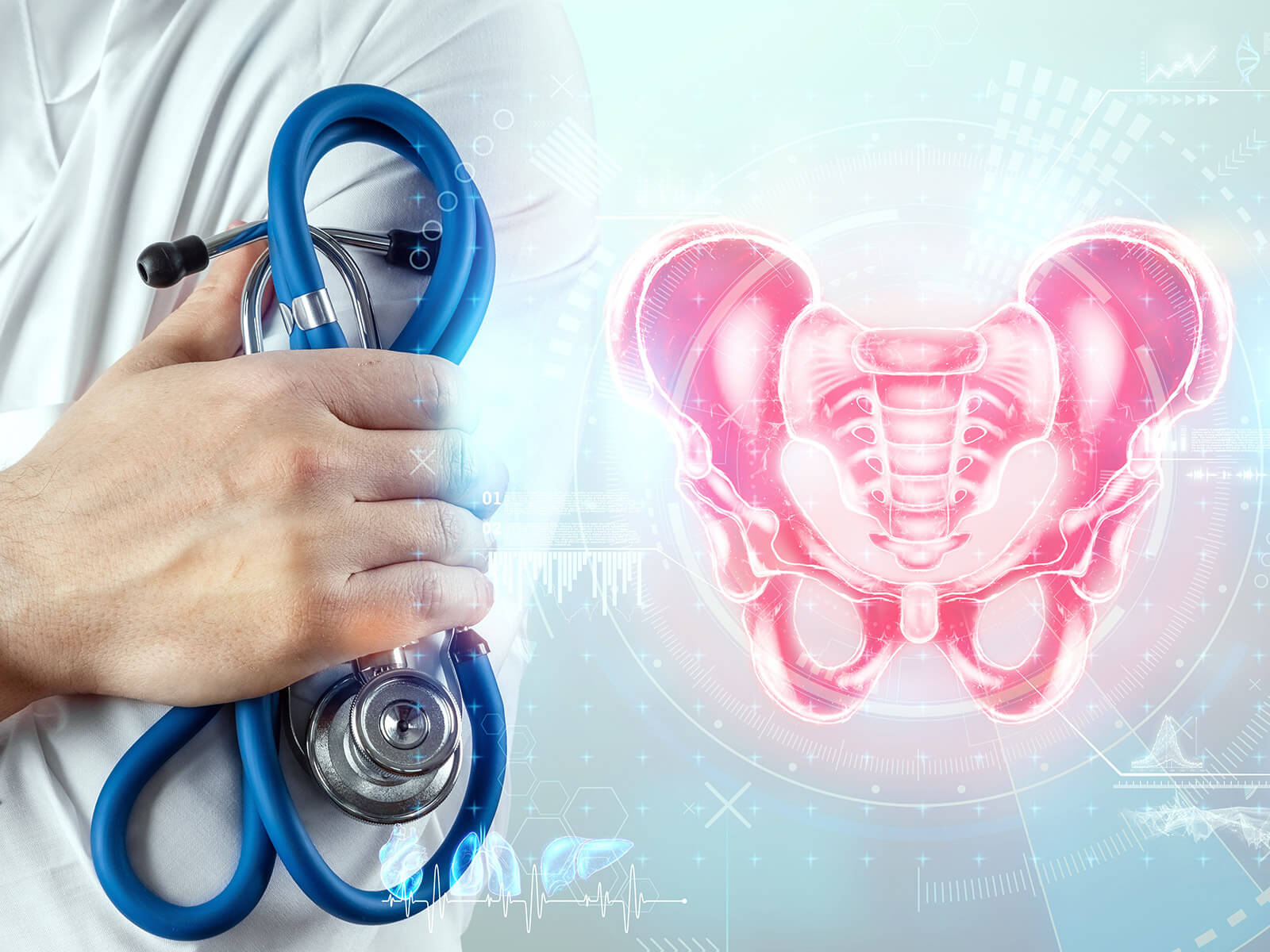
Our Pelvic Pain service offers diagnosis and treatment to relieve pain and help to maintain pelvic health.
Read More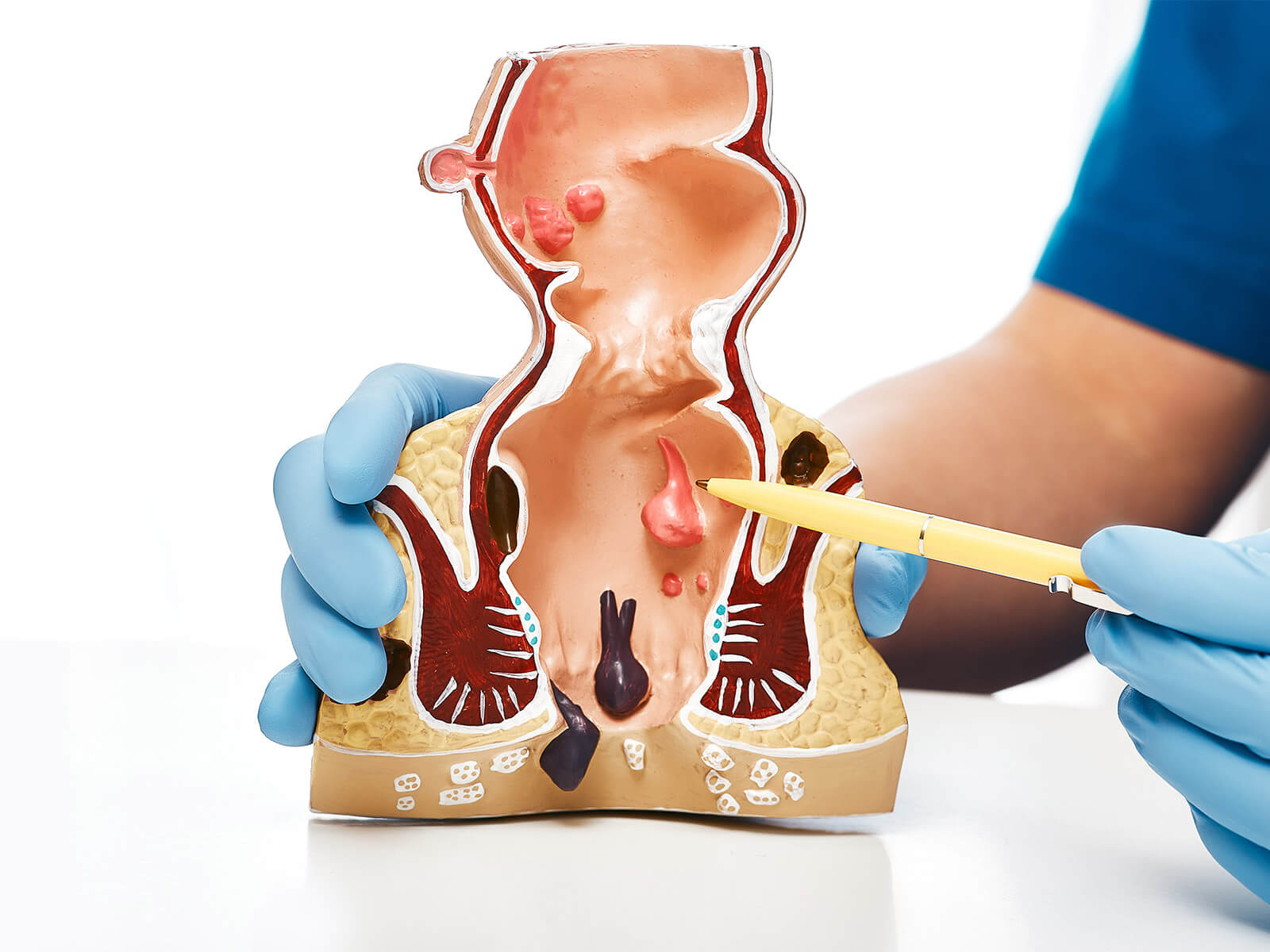
We offer sensitive evaluation and control of the bleeding of mince in order to generate reasons and relieve pain.
Read More
Our service specialty is applied in the treatment of colorectal cancer to identify and remove sessile serrated lesions at an early stage before they grow into colorectal cancer.
Read MoreGastrointestinal (GI) conditions include acid reflux (GERD), irritable bowel syndrome (IBS), Crohn’s disease, ulcerative colitis, celiac disease, constipation, diarrhea, and more. Our specialists diagnose and treat a wide range of digestive disorders.
If you experience frequent symptoms such as bloating, abdominal pain, acid reflux, constipation, or diarrhea, it’s recommended to see a gastroenterologist for evaluation and diagnosis.
You should consult a gastroenterologist if you experience persistent digestive issues, blood in stool, unexplained weight loss, severe abdominal pain, or difficulty swallowing.
Common diagnostic procedures include endoscopy, colonoscopy, stool tests, breath tests, imaging scans (CT/MRI), and lab work to assess digestive function.
Some GI conditions, like Crohn’s disease, ulcerative colitis, and celiac disease, have genetic components, meaning they can run in families. However, environmental and lifestyle factors also play a role.
Maintaining a healthy diet, staying hydrated, exercising regularly, managing stress, and avoiding smoking and excessive alcohol consumption can help prevent digestive issues.