1.9K Reviews | 4.7 Star Rating | 20+ years of experience | 72k+ Patients Treated
Expert Thrush Gastroenterologist - Dr. Scott Liu
Dr. Scott of GastroDoxs in Houston provides oral care services to patients with the common Candida albicans infection where people experience sore patches of mucous membranes. Integrating deep-seated diagnostics with either specialized interventions- dietary modifications or antifungal drugs- he produces quick-relief and fosters oral health.
Dr. Scott Liu, MD, is a board-certified gastroenterologist with over six years of experience and a background in military medicine. He earned his medical degree from the University of Maryland, Baltimore, completed his Internal Medicine residency at Naval Medical Center Portsmouth, and finished his Gastroenterology fellowship through the National Capital Consortium. Dr. Liu provides comprehensive care for a broad range of digestive conditions, including abdominal pain, acid reflux, liver disease, chronic diarrhea, and colon cancer screening. He is a member of the American College of Gastroenterology and is known for his disciplined, patient-focused approach and clear communication.
What Is Thrush?
Thrush is a typical yeast infection of the mouth or throat which is an overgrowth of Candida albicans fungus. Candida is usually harmless and found in small doses but under particular circumstances the microbe may multiply resulting in creamy white spots, redness and discomfort.
Common Causes and Risk Factors
Antibiotic use - kills healthy bacteria and allows yeast to overgrow
Weakened immune system - HIV, diabetes, cancer treatments, or other immunosuppressive conditions
Inhaled corticosteroids - can leave residue that encourages fungal growth
Poor denture hygiene - ill-fitting or unclean dentures create a breeding ground for yeast
Babies and infants - underdeveloped oral immunity makes them more susceptible
Signs and Symptoms
White or yellowish patches on the tongue, inner cheeks, roof of mouth, or throat
Red, inflamed areas that may bleed if rubbed or scraped
Burning, itching, or “cottony” sensation in the mouth
Difficulty eating, swallowing, or speaking
How Dr. Scott Diagnoses Thrush?
Dr. Scott uses a step-by-step approach:
Medical History and Exam
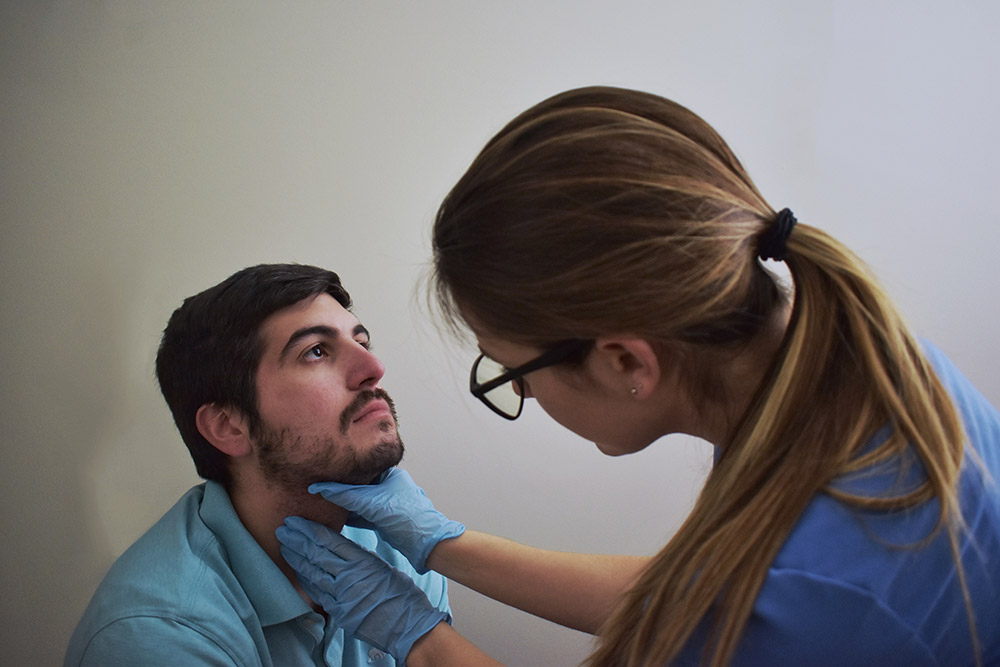
He will examine your mouth and throat after scrutinizing your symptoms, recent use of antibiotics or inhalers, immunity status and other risk factors.
Oral Inspection
Dr. Scott examines the typical spots of the classic creamy white patches, redness and soreness that are signs of thrush by pressing a gentle tongue depressor or scope.
Microscopy & Culture
If the diagnosis isn't clear or the infection is severe, he'll swab a small sample of the lesions for microscopic evaluation and Candida culture.
Advanced Evaluation (if needed)
In some occasional or frequent cases, some extra lab tests or endoscopic throat checks could be carried out to exclude other disorders.
Treatment
Our Team offers a full range of care for thrush.
Diet and Lifestyle Intervention
Mouth rinse following antibiotics or inhalers of corticosteroids.
Limit the intake of sugar, white bread, and alcohol.
Replace sweet with water or herbal tea.
Keep good dentures - clean teeth each day and off at night.
Medications
Topical antifungals - nystatin or clotrimazole lozengues.
Oral antifungals - oral fluconazole pills in severe cases.
Gentian violet - to be used on obstinate infant cases under medical supervision.
Minimally Invasive or Sophisticated Procedures
Recurrent or unclear cases to collect samples with deeper swabol.
Dr. Scott Liu, MD, is a board-certified gastroenterologist with over six years of experience and a background in military medicine. He earned his medical degree from the University of Maryland, Baltimore, completed his Internal Medicine residency at Naval Medical Center Portsmouth, and finished his Gastroenterology fellowship through the National Capital Consortium. Dr. Liu provides comprehensive care for a broad range of digestive conditions, including abdominal pain, acid reflux, liver disease, chronic diarrhea, and colon cancer screening. He is a member of the American College of Gastroenterology and is known for his disciplined, patient-focused approach and clear communication.
Frequently Asked Questions
How do babies get thrush?
Candida albicans can be passed to the mouth of the babies or transferred via the mouth of the caregiver resulting to the development of thrush in babies. The fungus is due to a warm wet climate and inadequately developed immune system in an immature body.
What causes thrush in babies?
Infants have thrush commonly brought about by poor oral defenses, exposure to antibiotics, or leftover milk on the tongue which nourishes the yeast.
What do I do to eliminate the thrush in the mouth of my baby?
Wipe the mouth and tongue of your baby with a clean and damp cloth after feeding. Diluted gentian violet or nystatin drops can be prescribed by your pediatrician as a stubborn case.
Thrush and gentian violet — safe?
Gentian violet may be useful in infant thrush with sparse usage and under the direction of a medical professional. Note that it can cause staining on surfaces and aggravate sensitive tissues.
How long does thrush last?
Treating the infection in most cases of thrush heals in a range of 7-14 days. The severe cases or repeated cases might take a long time and need the follow-ups.
Can thrush spread to adults?
Yes. Candida may be transmitted by kissing or sharing of utensils. Prevention is through good oral health and sharing of personal hygiene.
In which cases should I refer to a specialist?
Make an appointment with Dr. Scott in the cases of having oral pain that persists or is hard to swallow, or having thrush that sometimes has not gone away in spite of home treatments.
Related Blogs
How an Upper Endoscopy Can Identify Your Digestive Discomfort