1.9K Reviews | 4.7 Star Rating | 20+ years of experience | 72k+ Patients Treated
Bset Solitary Rectal Ulcer Syndrome Doctor
Experiencing pain, bleeding, and problems empting bowels? Solitary rectal ulcer syndrome is a rare noncancerous disorder that leads to rectal ulcers and pain. As guests of GastroDoxs in Houston, you are in the skilled and knowledgeable hands of Dr. Scott, where you are guaranteed of customized diagnosis, effective treatment, and loving care.
Dr. Scott Liu, MD, is a board-certified gastroenterologist with over six years of experience and a background in military medicine. He earned his medical degree from the University of Maryland, Baltimore, completed his Internal Medicine residency at Naval Medical Center Portsmouth, and finished his Gastroenterology fellowship through the National Capital Consortium. Dr. Liu provides comprehensive care for a broad range of digestive conditions, including abdominal pain, acid reflux, liver disease, chronic diarrhea, and colon cancer screening. He is a member of the American College of Gastroenterology and is known for his disciplined, patient-focused approach and clear communication.
Common Causes and Risk Factors
Straining during bowel movements
Chronic constipation or diarrhea
Rectal prolapse (rectum slipping out of place)
Overuse of laxatives
Pelvic floor dysfunction
Signs and Symptoms
Bright red blood or mucus from the rectum
Pain or pressure during or after bowel movements
Strong urge to go with little or no relief
Feeling of something stuck in the rectum
Fullness or bloating in the lower abdomen
How Dr. Scott Diagnoses Solitary Rectal Ulcer Syndrome
Dr. Scott uses a step-by-step approach:
Medical History and Physical Exam
Dr. Scott begins by examining your symptoms such as bleeding in the rectum, difficulty in the bowel movements, mucus in the stool, and the persistent need to defecate. He also talks about constipation history, enemas use or hand evacuation. The focused rectal examination can be used to identify the tenderness, abnormal masses, or prolapse of the rectum.
Laboratory Tests
Basic lab tests help rule out other causes and check for complications:
Complete Blood Count (CBC) � to detect anemia from chronic bleeding
C-Reactive Protein (CRP) and Erythrocyte Sedimentation Rate (ESR) � to check for underlying inflammation
Stool tests � to rule out infections or inflammatory bowel disease
Imaging and Endoscopy
Flexible sigmoidoscopy or colonoscopy is used to directly view the rectum. SRUS typically shows a single or multiple ulcers, or inflamed areas in the rectal lining.
Biopsies are taken to confirm the diagnosis, showing characteristic changes in the rectal tissue.
Pelvic MRI or defecography may be used to assess rectal prolapse or abnormal pelvic floor movement.
Advanced Testing (if needed)
In complex or persistent cases, Dr. Scott may recommend:
Anorectal manometry to evaluate rectal and anal sphincter function
Defecography (MRI or contrast X-ray) to assess how the rectum behaves during bowel movements
Gastrointestinal motility testing if overlapping conditions like constipation or outlet obstruction are suspected
Treatment
Our Team offers a full range of care for solitary rectal ulcer syndrome.
Lifestyle and Diet Changes
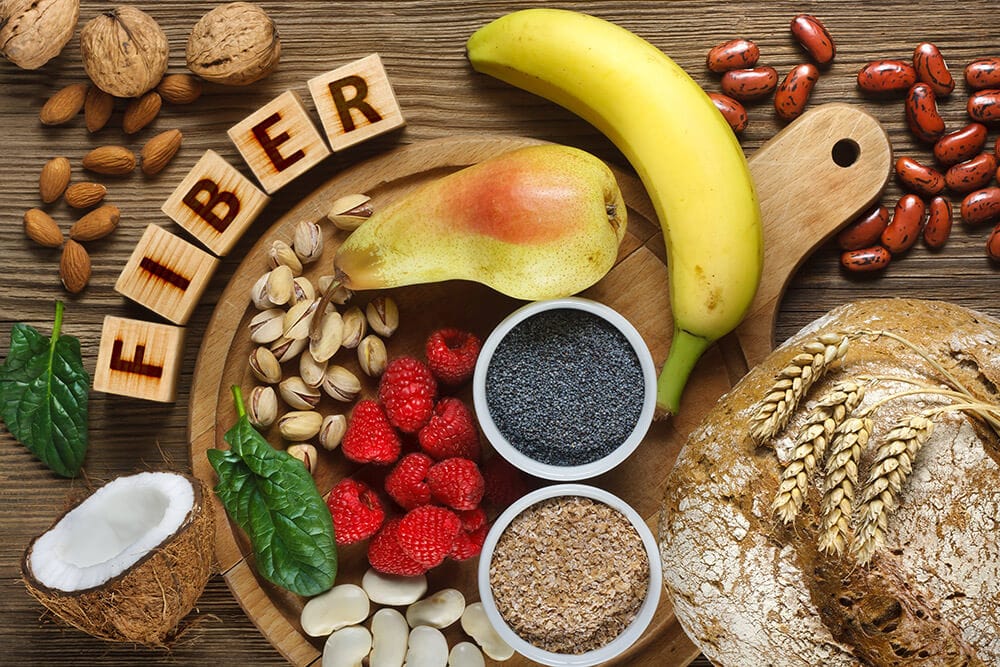
Increase fiber intake of fruits, vegetables and whole grains.
Consume water lots of water during the day.
Stress should be avoided when straining to sit on the toilet.
Add pelvic floor exercises or biofeedback.
Medications
Fiber supplements or stool softeners to help loosen the bowel movement.
Antisoluble or non-soluble ulcers to heal ulcers.
Light pain killers on demand (not strong opioids)
Minimally invasive/ Advanced procedures
Biofeedback to repeat and abrelax the pelvic floor muscles.
Treatment using scopes to remove or treat tissue ulcers.
In rare, severe cases surgery (rectopexy) may be present.
Dr. Scott Liu, MD, is a board-certified gastroenterologist with over six years of experience and a background in military medicine. He earned his medical degree from the University of Maryland, Baltimore, completed his Internal Medicine residency at Naval Medical Center Portsmouth, and finished his Gastroenterology fellowship through the National Capital Consortium. Dr. Liu provides comprehensive care for a broad range of digestive conditions, including abdominal pain, acid reflux, liver disease, chronic diarrhea, and colon cancer screening. He is a member of the American College of Gastroenterology and is known for his disciplined, patient-focused approach and clear communication.
Frequently Asked Questions
How long until I feel better?
The right care, such as a change in diet, exercises of the pelvic floor, and medication in case of necessity make the majority of the population better in 4-6 weeks.
Is this condition dangerous?
No. Solitary rectal ulcer syndrome is not a life-threatening disorder, but it can be very devastating on your life, when untreated.
Will I need surgery?
Surgery is rare. Most patients react to lifestyle approaches, biofeedback, and medical therapy.
Can kids get this condition?
Children can contract SRUS, but it is more widespread in adults with chronic constipation or dysfunctions of the pelvic force.
What is the ICD-10 code?
The code used in relation to solitary rectal ulcer syndrome in the ICD 10 is K 62.6.
Will a change of diet suffice?
Dietary and fluid supplements are recommended to benefit the majority of patients; however, stool softeners, topical care, or pelvic floor therapy are also necessary in some cases.
Do I need a colonoscopy?
SRUS can be diagnosed with a normal sigmoidoscopy or anoscopy, although, a complete colonoscopy can also be conducted to eliminate any other syndrome.