1.9K Reviews | 4.7 Star Rating | 20+ years of experience | 72k+ Patients Treated
Portal Hypertension Gastroenterologist - Dr. Scott Liu
Find a fully comprehensive portal hypertension treatment in Houston through GastroDoxs by Dr. Scott. With the help of an experienced doctor, early-detected complications, improved liver functioning, and a better quality of life can be achieved through intricate measures such as TIPS, and lifestyle changes as well as medications can be used to treat the disease.
Dr. Scott Liu, MD, is a board-certified gastroenterologist with over six years of experience and a background in military medicine. He earned his medical degree from the University of Maryland, Baltimore, completed his Internal Medicine residency at Naval Medical Center Portsmouth, and finished his Gastroenterology fellowship through the National Capital Consortium. Dr. Liu provides comprehensive care for a broad range of digestive conditions, including abdominal pain, acid reflux, liver disease, chronic diarrhea, and colon cancer screening. He is a member of the American College of Gastroenterology and is known for his disciplined, patient-focused approach and clear communication.
Common Causes and Risk Factors
Cirrhosis (scarring of the liver from long‐term damage)
Portal vein thrombosis (blood clot in the portal vein)
Schistosomiasis (parasitic infection affecting the liver)
Chronic hepatitis B or C infections
Nonalcoholic fatty liver disease (NAFLD)
Heavy or long‐term alcohol use
Signs and Symptoms
Esophageal or gastric varices (swollen veins that can bleed)
Caput medusae (visible, dilated veins on the abdomen)
How Dr. Scott Diagnoses Portal Hypertension
Dr. Scott uses a step-by-step approach:
Medical History and Physical Exam
He enquires of your symptoms, when they first began and how severe they have been, and whether you drink alcohol, had a liver disease in the past, and other risk factors. He examines your abdomen by palpation to determine the presence of tenderness, liver size, spleen size and fluid.
Blood Tests
Liver enzymes (AST, ALT), platelet count, bilirubin, albumin, and coagulation profiles are evaluated to determine liver functionality and indirectly identify swollen vessels, which is a porta hepatica.
Imaging Studies
Ultrasound with Doppler checks portal vein diameter and blood flow, detects ascites, and measures spleen size.
CT scan or MRI offers detailed views of liver architecture, collateral vessels, and nodular changes.
Endoscopy
An endoscopy of the esophagus and the stomach is done to examine any variances, red signs, which can represent the bleeding risk.
Advanced Testing (if needed)
In case of clarification, Dr. Scott can measure the hepatic venous pressure gradient (HVPG) to quantify portal pressure or undergo a liver biopsy to grade fibrosis and inflammatory processes.
Treatment
Our Team offers a full range of care for portal hypertension.
1. Lifestyle and Diet Interventions.
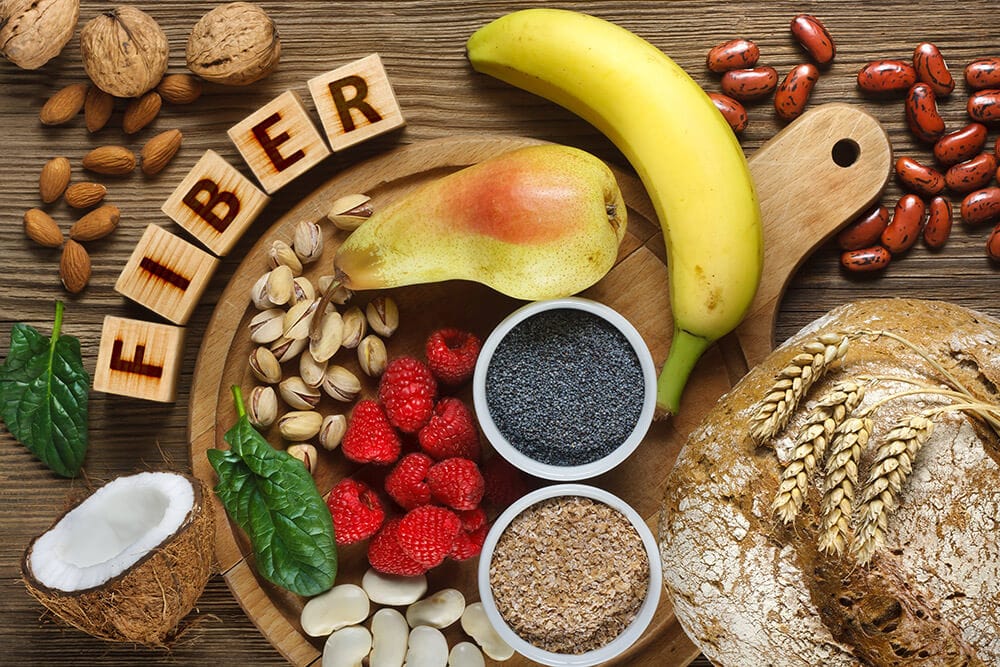
Individualized diets to avert salt and fluid retention.
Nutrition information on healthy eating of proteins and lessening harmful fats.
Professional counseling to abstain alcohol and to keep weight down in order to maintain liver functioning.
2. Medications
Portal vein pressure reduction by nonselective beta-blockers.
Diuretics to assist your body to get rid of surplus fluid (ascites)
Lactulose in order to control confusion and other symptoms of hepatic encephalopathy.
3. Minimal or Advanced Surgeries.
In order to decompress the portal circulation, Transjugular Intrahepatic Portosystemic Shunt (TIPS) is used.
Endoscopic variceal ligation (rubber-banding) prosphagic or gastric bleeding.
Paracentesis regulated out of hospital removal of excess abdominal fluid.
Dr. Scott Liu, MD, is a board-certified gastroenterologist with over six years of experience and a background in military medicine. He earned his medical degree from the University of Maryland, Baltimore, completed his Internal Medicine residency at Naval Medical Center Portsmouth, and finished his Gastroenterology fellowship through the National Capital Consortium. Dr. Liu provides comprehensive care for a broad range of digestive conditions, including abdominal pain, acid reflux, liver disease, chronic diarrhea, and colon cancer screening. He is a member of the American College of Gastroenterology and is known for his disciplined, patient-focused approach and clear communication.
Frequently Asked Questions
Which is the ICD-10 code of portal hypertension?
The correct code is K76.6.
How does Dr. Scott diagnose it?
He employs a physical examination, ultrasound, Doppler examination, CT or MRI, endoscopy and blood tests as a means of evaluating liver performance and portal pressure.
Can changes in diet help?
Yes. Low-salt diet, normal protein, healthy fats and total alcohol abstinence may decrease fluid retention and promote healthy liver.
What are the possibilities, not to be treated?
Portal hypertension in an untreated state may result into variceal bleeding, ascites (fluid in the abdomen), infections, encephalopathy (confusion), as well as other severe complications.
Is TIPS a safe option?
Transjugular Intrahepatic Portosystemic Shunt (TIPS) works successfully and is safe in many patients and Dr. Scott will discuss it with you.
How frequently I would have to make a visit?
The follow-up visit is usually set up after every three to six months, according to your response to the treatment and condition.
Do you accept insurance?
Yes. We bill our medical codes accurately and will deal with the majority of insurance plans to provide you with an opportunity to be covered.