1.9K Reviews | 4.7 Star Rating | 20+ years of experience | 72k+ Patients Treated
Fatty Liver Specialist - Dr. Scott Liu
Trying not to have a fatty liver? Dr. Scott is a board-certified gastroenterologist who will provide a personalized approach to stopping and reversing liver damage at GastroDoxs in Houston. Undiagnosing, personalized treatment programs, and lifestyle support, he presents the patients as empowered to both heal their liver and enhance their health.
Dr. Scott Liu, MD, is a board-certified gastroenterologist with over six years of experience and a background in military medicine. He earned his medical degree from the University of Maryland, Baltimore, completed his Internal Medicine residency at Naval Medical Center Portsmouth, and finished his Gastroenterology fellowship through the National Capital Consortium. Dr. Liu provides comprehensive care for a broad range of digestive conditions, including abdominal pain, acid reflux, liver disease, chronic diarrhea, and colon cancer screening. He is a member of the American College of Gastroenterology and is known for his disciplined, patient-focused approach and clear communication.
What Is Fatty Liver?
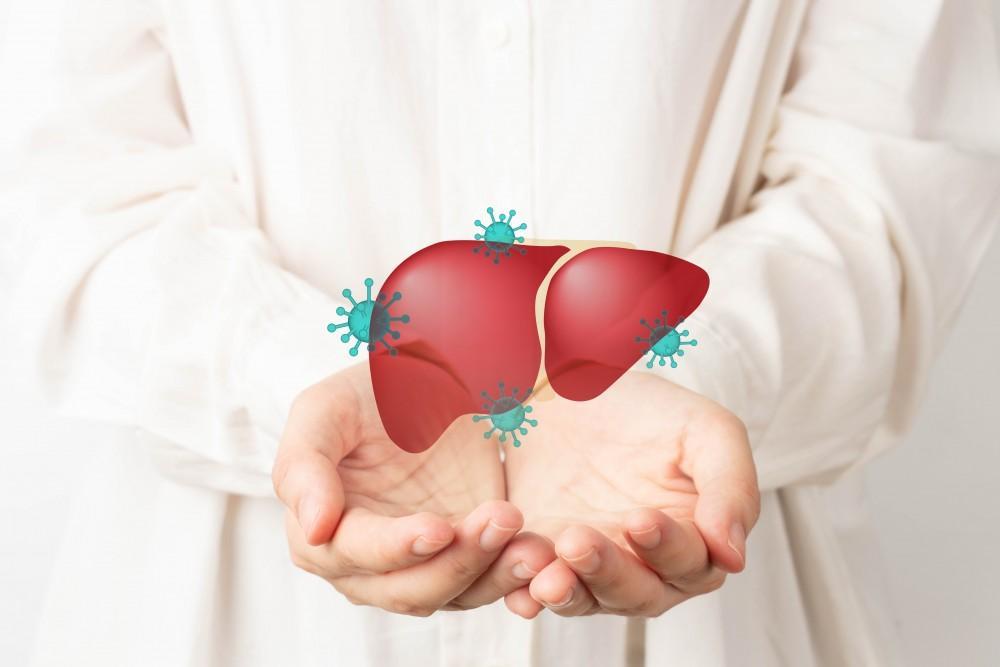
Fatty liver disease is among those diseases in which excessive fat gets in the liver cells. With time this accumulation may result in inflammation, scarring, and poor liver functioning unless pre-emptively treated.
Common Causes and Risk Factors
Obesity or overweight
Type 2 diabetes and insulin resistance
High cholesterol or triglycerides
Heavy alcohol use (alcoholic fatty liver)
Metabolic syndrome
Rapid weight loss or poor nutrition
Certain medications (e.g., corticosteroids)
Signs and Symptoms
Often none in early stages
Persistent tiredness or weakness
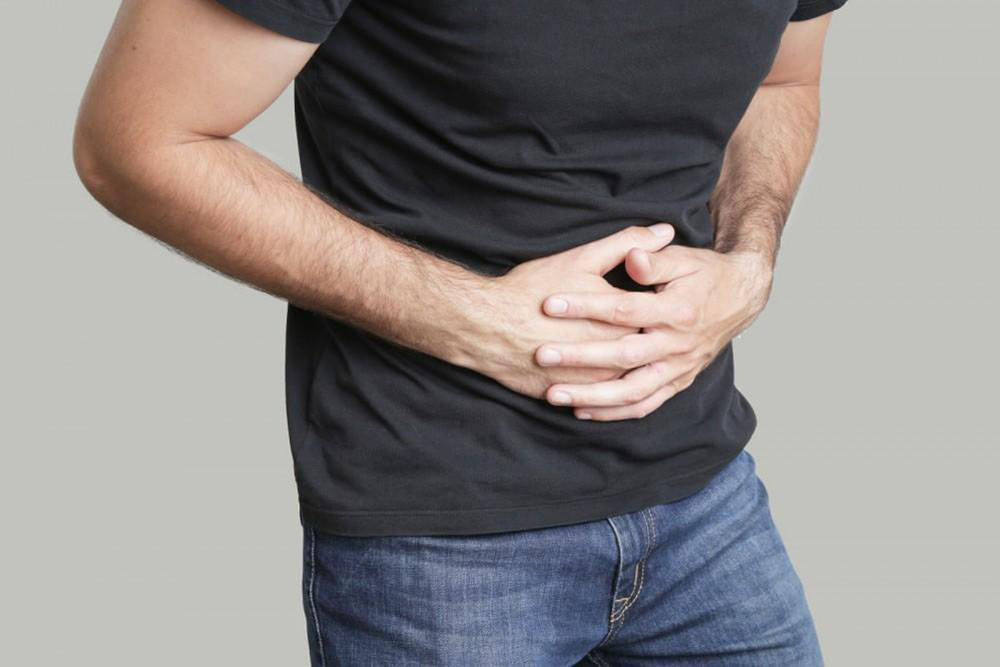
Mild pain or fullness in the upper right abdomen
Unexplained weight loss
Jaundice (yellowing of the skin or eyes) in advanced disease
Swelling in legs or abdomen (edema or ascites) when severe
How Dr. Scott Diagnoses This Condition?
Dr. Scott uses a step-by-step approach:
Medical History and Exam
He examines the onset of your symptoms, pain, (particularly, epigastric or right upper quadrant), diet, alcoholism and other predispositions to hepatitis or GIT.
Blood Tests
We are analyzing liver enzymes (AST, ALT), pancreatic enzymes (amylase, lipase), complete blood count and inflammatory indices to assist with determining the cause of your pain and exclude other causes.
Imaging Studies
Abdominal ultrasound evaluates fatty infiltration of the liver, gallbladder stones, and pancreatic abnormalities.
FibroScan (elastography) measures liver stiffness to detect fibrosis or cirrhosis.
CT or MRI may be ordered to look for masses, pancreatitis or complications that ultrasound can't fully characterize.
Advanced Testing (if needed)
In cases where the noninvasive tests are inconclusive, fatty liver can be confirmed by liver biopsy or endoscopic ultrasound which can analyze inflammation and stage any damage.
Treatment
Our Team offers a full range of care for fatty liver disease.
1. Lifestyle and Diet Modifications.
Custom-made diets to decrease sugar, bad fats and help them lose weight.
The organized physical fitness training to increase metabolic wellness and consistent weight loss.
Advice on drinking or not drinking to achieve the best results of liver recuperation.
Diabetes and cholesterol control management strategies.
2. Medications
Statins to treat high cholesterol levels and deter heart attacks.
Metformin blood sugar management and insulin sensitivity.
Vitamin E ampoule supplementation in the couple of the patients to curb liver inflammation.
3. Minimal or High-tech Procedures.
Fibroscan Non-invasive liver monitoring of stiffness and fibrosis.
Endoscopic treatment to control complications, including variceal bleeding.
Liver biopsy where absolute staging of disease is necessary.
Referrals to liver transplant assessment in liver damage of advanced liver damage.
Dr. Scott Liu, MD, is a board-certified gastroenterologist with over six years of experience and a background in military medicine. He earned his medical degree from the University of Maryland, Baltimore, completed his Internal Medicine residency at Naval Medical Center Portsmouth, and finished his Gastroenterology fellowship through the National Capital Consortium. Dr. Liu provides comprehensive care for a broad range of digestive conditions, including abdominal pain, acid reflux, liver disease, chronic diarrhea, and colon cancer screening. He is a member of the American College of Gastroenterology and is known for his disciplined, patient-focused approach and clear communication.
Frequently Asked Questions
What causes a fatty liver?
Fat is also frequently deposited in the liver due to poor diet, obesity, diabetes, alcohol use or some medications.
What can I do to reduce my liver enzyme?
Consume a proper diet, do physical activity and drink alcohol in moderation. Dr. Scott develops a course of action that can assist him in reducing liver enzymes.
Which tests indicate the echogenicity of the liver?
The echogenic liver changes are measured without surgery using a fatty liver ultrasound or a FibroScan.
Does it have a drug to treat fatty liver disease?
Although there is no specific drug used in the treatment of fatty liver, we prescribe that kind of medication on related problems such as statins, metformin, or vitamin E in case lifestyle changes are only ineffective.
NASH liver disease life expectancy?
It varies by stage. When managed early enough, NASH can be treated using diet and exercise. Dr. Scott will negotiate on your personal prognosis.
Do I need a biopsy?
Most patients avoid biopsy. Tests such as blood, imaging and non-invasive scans are relied on unless the disease is suspected to be advanced.