What Is Thrush?
Candidiasis of the mouth (ICD-10 B37.0), also referred to as thrush, is a mouth yeast infection. It looks like white/creamy spots on the tongue, cheeks, gums or oven roof of a mouth. Although common in infants, it may occur to anyone- particularly people who have weakened immune system.
Common Causes and Risk Factors
- Antibiotic use, which disrupts the balance of mouth bacteria and yeast
- Weakened immunity from diabetes, illness or certain medical treatments
- Wearing dentures that aren't cleaned daily
- Dry mouth caused by medications or underlying health conditions
- Infants exposed via bottles, pacifiers or antibiotic courses
Signs and Symptoms
- White, creamy patches on the tongue, inner cheeks, gums or roof of the mouth
- Redness or soreness under and around the patches
- Pain or a burning sensation in the mouth
- Cracks or sores at the corners of the mouth
- Difficulty feeding or swallowing-most notable in babies
Expert Treatment for Thrush by Dr. Bharat Pothuri
Step 1: Oral Examination
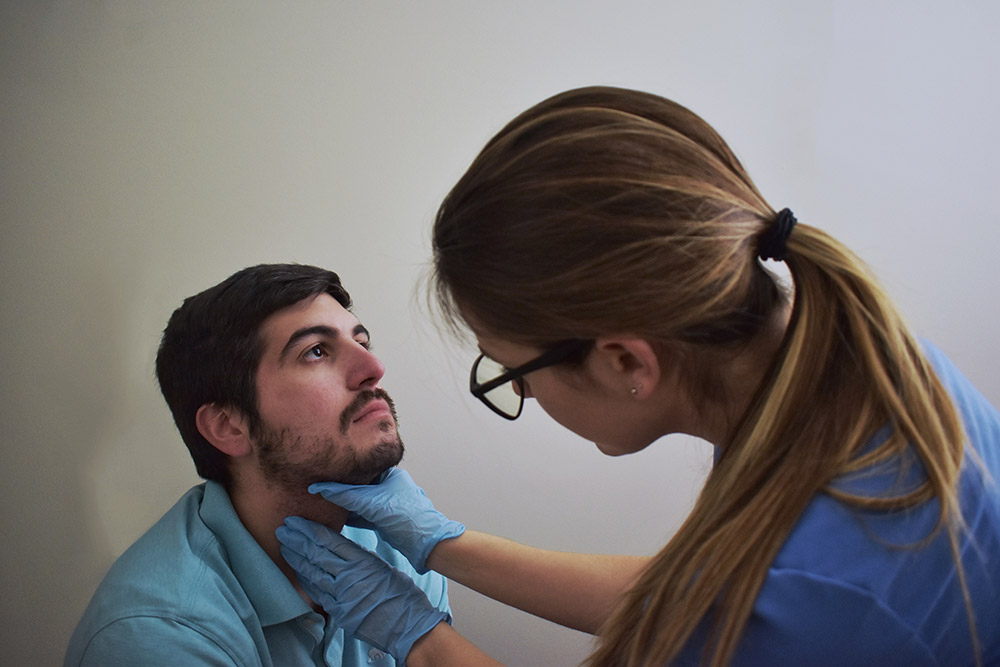
Dr. Pothuri begins by performing a smooth oral examination of GastroDoxs in Houston to determine whether the patient has the typical white patches of thrush.
Step 2: Mouth Swab (if needed)
In case it is necessary, he swabs his mouth to make sure he has candidias yeast and to disstrust all other infections.
Frequently Asked Questions
How do babies get thrush?
Yeast is naturally present in the mouth; however, a baby’s immune system is still developing compared to an adult’s. This makes it harder to control yeast growth. The use of antibiotics can also disrupt the natural balance, allowing yeast to proliferate.
What causes thrush in babies?
Common triggers include unclean bottles or pacifiers and the use of antibiotics, which can destroy the healthy balance of microbes in the mouth.
Can adults get oral thrush?
Yes. Adults who experience dry mouth, wear dentures, have diabetes, or use inhaled steroids are at a higher risk of developing oral thrush.
What is the duration of treatment for thrush?
Most cases respond well to antifungal medications and good oral hygiene within 7 to 14 days.
Is thrush contagious?
It is not typically contagious between adults. However, caregivers should disinfect baby bottles and wash their hands regularly to avoid transmitting the infection to infants.
When should I see a doctor?
If symptoms persist for more than a week, cause significant pain, or interfere with eating or swallowing, you should schedule a medical appointment.
ICD-10 code of oral thrush
The ICD-10 code B37.0 refers to oral candidiasis (thrush).