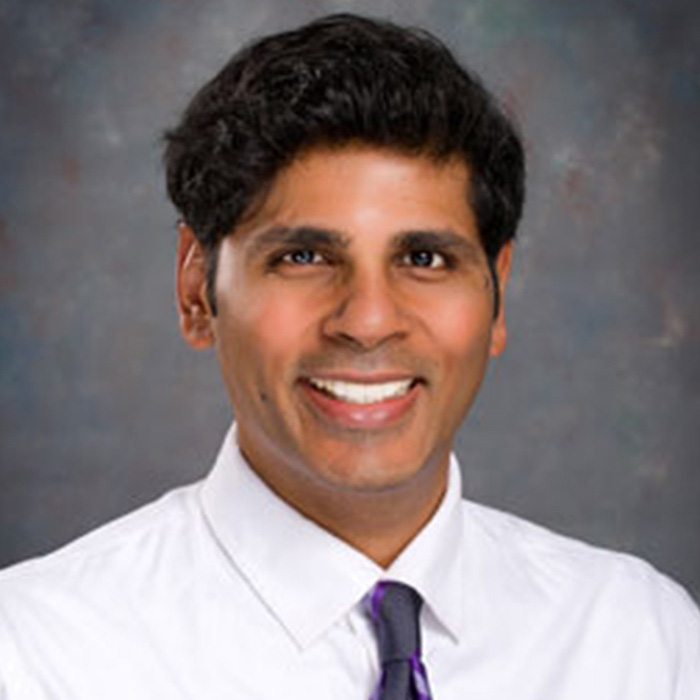
Expert Treatment for Squamous Cell Cancer by Dr. Bharat Pothuri
Dr. Pothuri uses a step-by-step approach:
Medical History and Exam
He examines your history-onset, history-duration, history-character, history-aggravators, and history-relievers of your epigastric pain and evaluates associated risk factors, including NSAID use, alcohol consumption, smoking, stress and previous GI diagnoses.
Blood Tests
These include a complete blood count (CBC), liver enzymes, pancreatic enzymes (amylase/lipase), Helicobacter pylori serology or breath test, and inflammatory markers (CRP, ESR).
Imaging Studies
- Abdominal ultrasound to check the liver, the gallbladder, the biliary tree and the pancreas whether they are obstructed by stones or inflamed.
- Abdominal CT scan or MRI where an in-depth anatomic detail is required.
- Endoscopy (EGD) to directly visualize the esophagus, stomach and duodenum with ulcer and/or suspicious lesion biopsies.
Advanced Testing (if needed)
Gastric emptying tests of gastroparesis, esophageal pH-impedance tests of reflux, or manometry of motility disorders to identify less frequent causes of epigastric discomfort.
What is the distinction between squamous cell and basal cell cancer?
Basal cell cancer is slow growing and hardly spreads out of source. The squamous cell cancer may develop at a very rapid rate and is prone to spreading in case it is not treated early.
Is it possible to manage squamous cell cancer at an early stage at home?
No. To maximize the destruction of a squamous cell cancer of any stage, it must be assessed and treated by a healthcare provider to minimize chances of recurrence.
What is the duration of Mohs surgery recovery?
Majority of the patients recover in a period of one to two weeks. Scarring in most cases is minimal and Dr. Pothuri uses comprehensive instructions on wound-care to ensure that a patient gets the best healing.
Does it have non-surgical treatment alternatives?
Yes. Treatment can involve topical therapy of small lesions on the skin, radiation therapy or specific systemic agents depending on your case.
What is the frequency of the follow-up?
First, the first two years are to be followed up with visits at 3-6-month intervals. The annual exams typically suffice to check the recurrence or new growths.
Does it inherit squamous cell cancer?
There are vast majority of such cases associated with UV exposure and environmental factors. There are rare inherited predispositions but can occur in some genetic syndromes.
Treatment of esophageal squamous cell cancer in Houston?
Yes. Dr. Pothuri provides complex diagnostics and minimal invasive endoscopic therapy of the esophageal squamous cell cancer in GastroDoxs, Houston.