Expert Treatment for Solitary Rectal Ulcer Syndrome by Dr. Bharat Pothuri
Dr. Pothuri uses a step-by-step approach:
Medical History and Symptom Review
He discusses your bowel movement, straining, past surgeries/traumas, and pelvis pain.
Physical Examination
The presence of the tenderness, tone deviations, prolapse, palpable masses are thoughtfully inspected by the abdomen and the digital rectum.
Colonoscopy with Biopsy
Endoscopic examination is used to ascertain the presence of one or more ulcers. Tissues are good at determining ulceration and eliminating other disorders.
Defecography & Pelvic-Floor Testing
Special imaging (defecography) or anorectal manometry is used in the evaluation of the muscle coordination and rectal emptying in the case of pelvic dysfunction.
What is the etiology of solitary rectal ulcer syndrome?
The causes of SRUS most often are incessant straining during bowel movements, prolonged constipation or hard stool, issues with pelvic floor muscle, and rectal prolapse. These create lesions to the rectal mucosal lining and ulcers.
What is the symptomology of solitary rectal ulcer syndrome?
These symptoms are normally exhibited through the presence of blood on the stool or on toilet paper, mucus (a discharge), feeling of an incomplete evacuation, pain or pressure during passing of the bowel movements, and feeling of a need to empty the rectum frequently, irrespective of the contents.
Can diet changes cure SRUS?
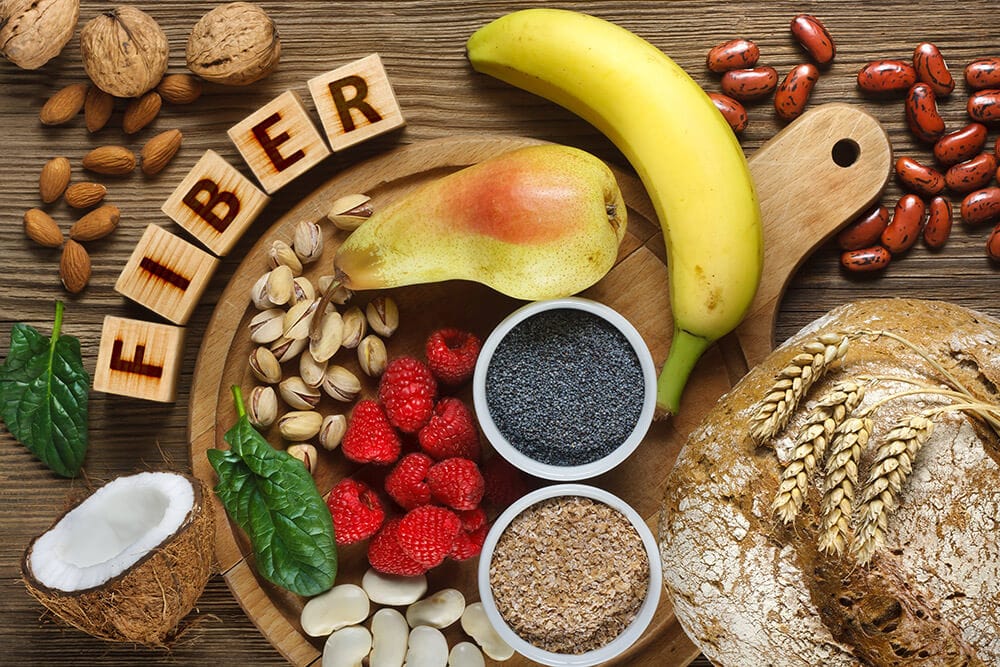
Many patients can be cured by diet-diets, consumption of more fibers, taking more water, and frequent bowel movements. However, there are also other people who are in need of medication, biofeedback or any other form of treatment to be completely cured.
Is surgery always needed?
No. Most of the patients are responding to the less invasive treatments of diet changes, pelvic floor re-training and applying topics. One of the reasons why surgery is summoned is severe cases or intractable cases.
How long does treatment take?
There are many patients who improve within 4–8 weeks of treatment. The sequential progression of time is established depending on the degree of ulcer, underlying etiology and adherence to lifestyle change and interventions.
Can SRUS turn into cancer?
No, solitary rectal ulcer syndrome is not cancerous. Despite this, any sort of rectal bleeding should be taken into account by a specialist in order to rule out other ailments including malignancies.