1.9K Reviews    |    4.7 Star Rating    |    20+ years of experience    |    72k+ Patients Treated

Solitary Rectal Ulcer Syndrome Doctor

The sores and bleeding of the rectum are caused by solitary rectal ulcer syndrome (SRUS), and is normally linked to the straining, constipation, or dysfunction of the pelvic floor. Dr. Bharat Pothuri, GastroDoxs in Houston, offers diagnosis and treatment-including lifestyle modification through the application of sophisticated therapies-to treat bowels.

Call Us 832-632-4070 Schedule Now Click Here Text Us 832-632-4070 Learn More Click Here
Texas Medical Board
Harris County Medical Society
American College of Gastroenterology
American Society for Gastrointestinal Endoscopy
Memorial hermann
Houston Methodist leading Medicine
HCA Houston Healthcare
Bharat Pothuri

About the Expert

Dr. Bharat Pothuri is a board-certified gastroenterologist and the founder of GastroDoxs. With extensive experience in digestive health, he specializes in advanced endoscopic procedures, chronic GI disorder management, and preventive care. Dr. Pothuri is dedicated to providing expert, patient-focused insights to help improve gut health and overall well-being.

Common Causes and Risk Factors

  • Constant bowel movement tension.
  • Constant constipation or hard stool.
  • Pelvic floor muscle dysfunction.
  • Rectal prolapse (semi-slipping of the rectum)
  • Previous experience or surgery of the rectum.

Signs and Symptoms

  • Blood in the stool or toilet paper.
  • Rectal discharge of mucus.
  • Unfulfilled emptying perceptions on the passage of a bowel movement.
  • Bowel movements are painful or painful.
  • Repeat defecation that has emptied the rectum.

Expert Treatment for Solitary Rectal Ulcer Syndrome by Dr. Bharat Pothuri

Dr. Pothuri uses a step-by-step approach:

Medical History and Symptom Review

He discusses your bowel movement, straining, past surgeries/traumas, and pelvis pain.

Physical Examination

The presence of the tenderness, tone deviations, prolapse, palpable masses are thoughtfully inspected by the abdomen and the digital rectum.

Colonoscopy with Biopsy

Endoscopic examination is used to ascertain the presence of one or more ulcers. Tissues are good at determining ulceration and eliminating other disorders.

Defecography & Pelvic-Floor Testing

Special imaging (defecography) or anorectal manometry is used in the evaluation of the muscle coordination and rectal emptying in the case of pelvic dysfunction.

Dr. Bharat Pothuri
Treatment

Our Team offers a full range of care for solitary rectal ulcer syndrome.

1. Lifestyle and Diet Modifications

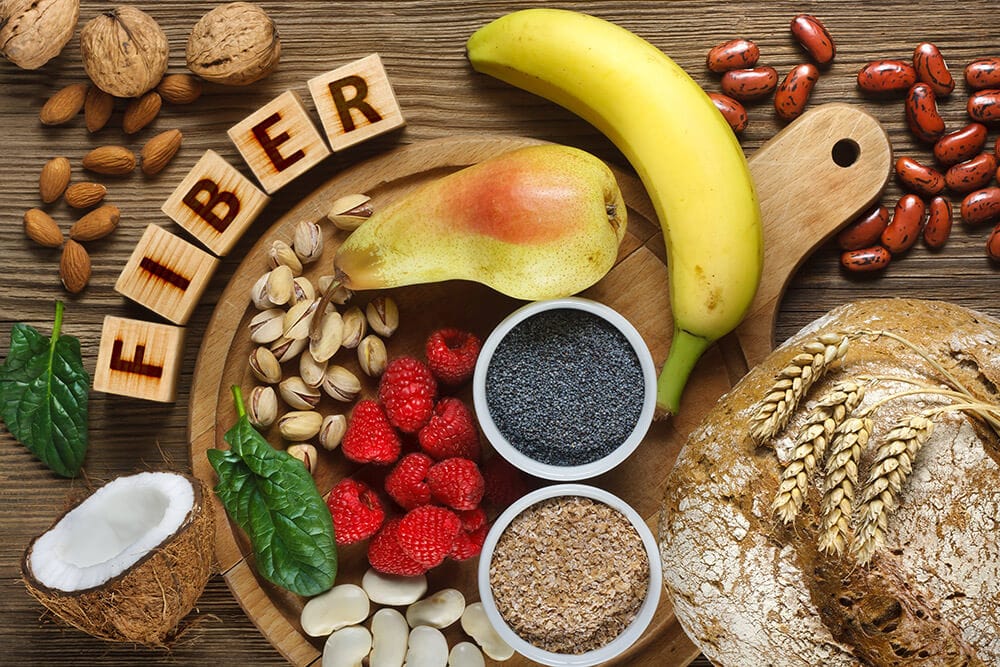
  • Greater consumption of foods with greater content of fiber like fruits, vegetables and whole grains.
  • Take 6-8 glasses of water daily.
  • Institute regular bathroom rituals.
  • No excessive strain, or excessive time at the toilet.

2. Medications

  • Stool softeners to facilitate the bowel movements.
  • Anti-inflammatory suppositories or creams.
  • Gentle laxatives (if needed)
  • Short-term pain relief drugs.

3. Minimally Invasive or Advanced Procedures

  • Biofeedback of pelvic floor muscles.
  • Therapy to help ulcers heal by endoscope.
  • Major or chronic (rarely needed) Surgery.
1.5K

Patients Treated

Dr. Pothuri has treated more than 1.5K patients, helping individuals improve their digestive health and overall well-being through expert, personalized care.

20Y

Years of Experience

With over 20 years of experience, GastroDoxs has been a trusted provider of gastroenterology care, focusing on delivering the best outcomes for patients

Bharat Pothuri

About the Author

Dr. Bharat Pothuri is a Board-Certified Gastroenterologist and Hepatologist. With extensive experience in digestive health, he specializes in advanced endoscopic procedures, chronic GI disorder management, and preventive care. Dr. Pothuri is dedicated to providing expert, patient-focused insights to help improve gut health and overall well-being.

What is the etiology of solitary rectal ulcer syndrome?

The causes of SRUS most often are incessant straining during bowel movements, prolonged constipation or hard stool, issues with pelvic floor muscle, and rectal prolapse. These create lesions to the rectal mucosal lining and ulcers.

What is the symptomology of solitary rectal ulcer syndrome?

These symptoms are normally exhibited through the presence of blood on the stool or on toilet paper, mucus (a discharge), feeling of an incomplete evacuation, pain or pressure during passing of the bowel movements, and feeling of a need to empty the rectum frequently, irrespective of the contents.

Can diet changes cure SRUS?

Many patients can be cured by diet-diets, consumption of more fibers, taking more water, and frequent bowel movements. However, there are also other people who are in need of medication, biofeedback or any other form of treatment to be completely cured.

Is surgery always needed?

No. Most of the patients are responding to the less invasive treatments of diet changes, pelvic floor re-training and applying topics. One of the reasons why surgery is summoned is severe cases or intractable cases.

How long does treatment take?

There are many patients who improve within 4–8 weeks of treatment. The sequential progression of time is established depending on the degree of ulcer, underlying etiology and adherence to lifestyle change and interventions.

Can SRUS turn into cancer?

No, solitary rectal ulcer syndrome is not cancerous. Despite this, any sort of rectal bleeding should be taken into account by a specialist in order to rule out other ailments including malignancies.


Related Blogs
Abdominal Pain

All-Natural Ways to Reduce GERD

Read More
Abdominal Pain

5 Ways (and Reasons) to Eat More Fiber

Read More
Abdominal Pain

When Abdominal Pain Is Cause for Concern

Read More