Expert Treatment for Reflux Esophagitis by Dr. Bharat Pothuri
Dr. Pothuri uses a step-by-step approach:
Medical History and Physical Exam
He analyses your symptom- heartburn, chest/epigastric pain, difficulty swallowing- and assesses diet, lifestyle, medication, and risk factors.
Upper Endoscopy (EGD)
This allows immediate observation of the lining of the esophagus and inflammation, erosions, strictures or the existence of Barrett esophagus. Biopsies can be done in case of necessity.
Ambulatory pH Monitoring
A small probe is an instrument that is applied in the detection of acid exposure of the esophagus in 24 hours to identify reflux occurrences and correlate them with the symptoms.
Esophageal Manometry
To evaluate the motility disorders, the strength and coordination of the esophagus and lower sphincter (LES) is determined by the help of manometry.
Impedance Testing or Additional Studies (if needed)
Non-acid reflux can be determined using impedance testing. Other causes are eliminated with fewer, more advanced imaging or gastric emptying series.

What are the causes of reflux esophagitis?
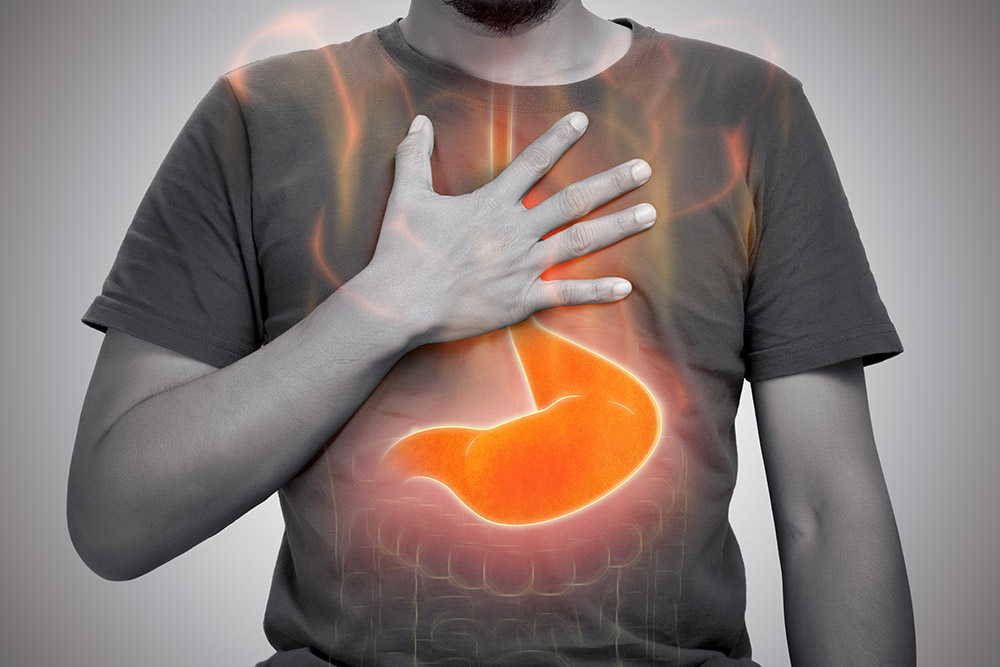
Reflux esophagitis is an illness that occurs when the lower esophageal sphincter becomes weak, allowing stomach acid to flow back into the esophagus and irritate it.
What is the ICD-10 code?
K21.0 – esophageal reflux esophagitis with esophagitis.
What foods should I avoid?
Spicy, fatty, or acidic foods, caffeine, chocolate, soda, and alcohol should be avoided to help minimize symptoms of acid reflux.
Do I need surgery?
When lifestyle changes and medications are ineffective, surgery may be considered, such as endoscopic fundoplication or placement of a LINX magnetic device.
How long is the length of the improvement period?
Many patients report relief after two days of treatment, but full healing of the esophagus may take several weeks.
Can it cause other problems?
Yes, untreated reflux can lead to esophageal ulcers, strictures, or Barrett's esophagus, which carries a risk of cancer.
Can children get it?
Yes, reflux esophagitis can occur in children, particularly those with gastrointestinal disorders, obesity, or hiatal hernia.