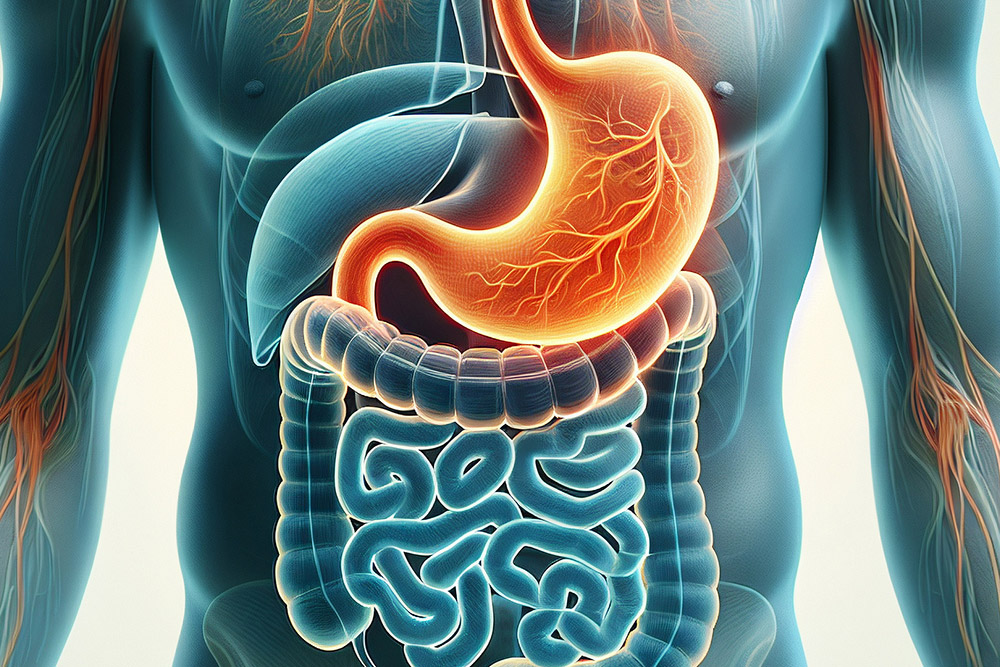
The article is also an engaging discussion among the experts of treating infectious colitis by Dr. Bharat Pothuri.
Dr. Pothuri works in stages:
Medical History and Exam
He requests regarding time, length, and course of your epigastric pain, diarrhea or blood. He examines recent travel, antibiotic administration, food exposures and a history of immune-compromising states. Close abdominal abdominal examination is performed to test tenderness, guarding, or distention.
Blood Tests
Regular labs involve complete blood count to examine the presence of increased white cells, CRP/ESR to determine the presence of inflammation, and basic metabolic to determine hydration and electrolytes. He can also request liver functioning to eliminate hepatobiliary reasons.
Imaging Studies
- Abdominal CT scan determines the presence of thickening, inflammation and possible complications such as abscess and perforation of the colonic walls.
- In a few patients, ultrasound may be applied to rule out gallbladder/pancreatic disease as a cause of epigastric pain.
Advanced Testing (if needed)
In the low confidence area or when the symptoms are severe, Dr. Pothuri will conduct flexible sigmoidoscopy or colonoscopy with specific biopsies. He further orders stool studies-culture, C. difficile toxin assay or a multiplex PCR panel-to diagnose specific pathogens and assume therapy.

Frequently Asked Questions
What is the cause of infectious colitis?
This is occasioned by bacteria, viruses or parasite infections, which inflame the colon.
What are usual symptoms of infectious colitis?
It causes such symptoms as diarrhea, abdominal pain, fever, nausea, and sometimes blood in stools.
What is the diagnosis of infectious colitis?
To diagnose the infection, your doctor might request stool tests, blood tests and colonoscopy.
What is the treatment of infectious colitis?
The treatment depends upon the cause and it can be based on antibiotics, hydration, and supportive treatment.
Is preventive treatment of infectious colitis possible?
Risk of being infected is limited by good hygiene and safe food handling, and clean water.
When should I see a doctor?
Immediately adapt medical services, in case of severe diarrhea, dehydration, fever, or blood in the stool.
Will long-term problems become apparent because of infectious colitis?
Treatment is in most cases effective in resolving the cases, however severe infections could lead to complications in case of not being treated.