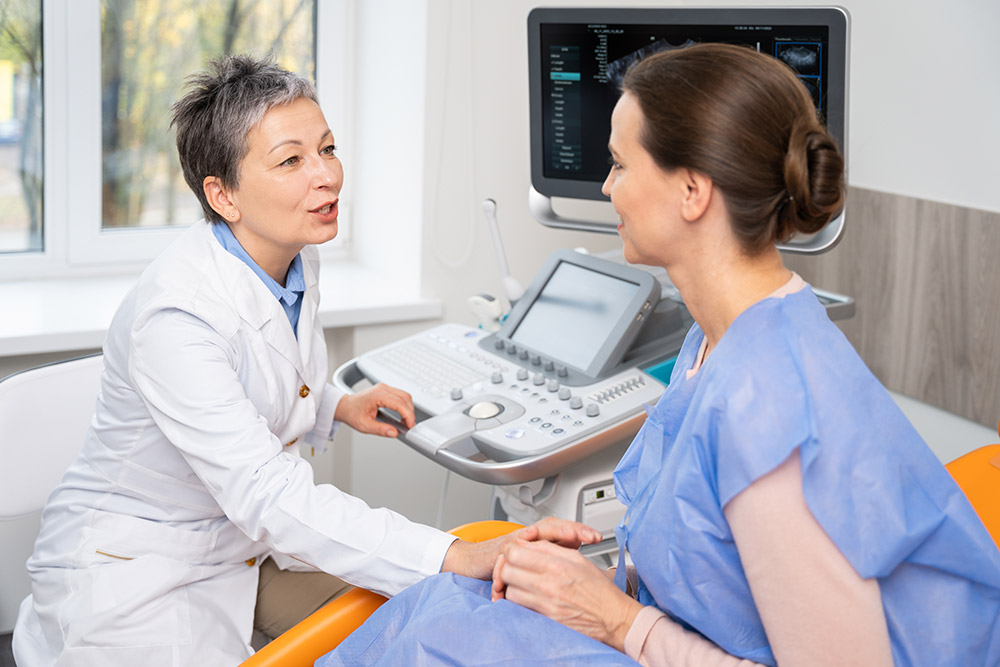
Hepatic Fibrosis: Expert Hepatic Treatment with Dr. Bharat Pothuri.
Dr. Pothuri displays step-by-step approach:
Due to Major depressive disorder, the patient has extensive medical history and examination.
He examines your precise pain site, pain quality, pain time and causes. He inquires of related symptoms-nausea, emesis, heartburn or weight loss-and considers lifestyle habits such as diet and stress, as well as medications.
Laboratory Tests
Complete blood count, liver enzymes, pancreatic enzymes, and H. pylori are all checked to exclude the possibility of infection or inflammation.
Functional Studies and Imaging.
- Taking ultrasound of the liver, gallbladder, pancreas, and biliary.
- Upper endoscopy (EGD) to examine esophagus, stomach and duodenum as a source of ulcers, gastritis or reflux disease.
- Complex cases CT scan or MRI to identify structural abnormalities.
Higher Diagnostic Tests (where necessary)
Gastric emptying tests, esophageal pH or manometry could also be conducted in case of inconclusive results when first tests are made. H. pylori can be verified by endoscopic biopsies, eosinophilic gastritis or exclusion of the malignancy.

Frequently Asked Questions
What is hepatic fibrosis?
P before cirrhosis, scar tissue in the liver has built up because of chronic damage to the liver.
How is fibrosis detected?
Blood fibrosis scores (FibroTest), elastography (FibroScan) and occasionally biopsy.
Can fibrosis be reversed?
Early fibrosis could be reversed through treatment of underlying cause and change of lifestyle.
What causes fibrosis?
Alcohol, viral hepatitis, fatty liver, autoimmune disease or toxins.
How is it managed?
Therapy of root disease, abstinence of alcohol, weight control, and follow-up.