Treatment of Hemorrhage Of Anus and rectum- Doctors Specialist treatment of anus and rectum.
Dr. Pothuri takes a step by step approach:
Medical History and Exam
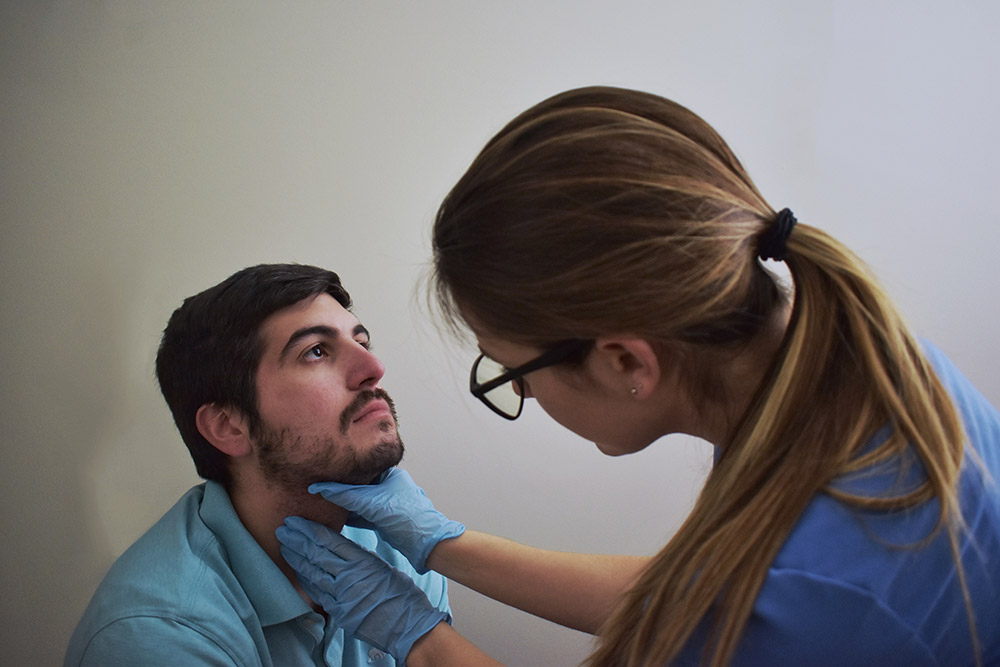
He examines your pattern of bleeding, bowel habits, eating, drugs, family partaking of gastrointestinal disease. A complete physical examination will consist of the inspection of the anal region and a digital rectal examination to exclude the presence of hemorrhoids, fissures or masses.
Laboratory Tests
To check anemia or iron deficiency he orders a complete blood count. Stool Culture Stool tests like fecal occult blood test or infection panels assist in determining the hidden bleeding or infectious reasons.
Endoscopic Evaluation
- Anoscopy/proctoscopy to visually examine the lower rectum and anal canal with hemorrhoids, fissures, inflammation or lesions.
- The scope of the colonoscopy should examine the entire length of the colon and rectum to find out polyps, diverticulum, malignancy or other sources of blood.
Imaging Studies
- Abdominal and pelvic CT scan to assess diverticular disease, tumors, inflammatory changes or other structural deviations.
Advanced Testing (if needed)
When bleeding continues and no obvious cause is identified, angiography or tagged red blood cell scan may help to detect the active bleeding. Additional information may be seen through endoscopic ultrasound or capsule endoscopy in certain instances.

Frequently Asked Questions
What is rectal and anorectal hemorrhage?
It is hemorrhaging in the lower digestive tract, which is likely to appear as bright red blood on toilet paper or in the toilet bowl.
When is rectal bleeding something to be concerned about?
Go to the doctor in case of bleeding that is too severe, in case it lasts longer than one bowel, have pain, feel dizzy, or bowel patterns changed.
What can Dr. Pothuri discover the etiology of bleeding?
Some of the diagnostic measures he employs include: anoscopy, proctoscopy and colonoscopy to identify and assess the cause of bleeding.
Is it possible to communicate that diet can be taken to prevent the bleeding?
Yes. Symptoms ease by increasing the amount of fiber in the diet, drinking much water, and not straining when passing stool helps to reduce bleeding.
Is hemorrhoid banding a painful experience?
No. The rubber band ligation is only mildly painful to the majority of patients, and our staff will make the process as comfortable as it can be.
What is the ICD-10 code of hemorrhage of anus and rectum?
ICD-10 code is K62.5 to be employed in precise medical records and billing of insurance companies.
Treatment of rectal bleeding is covered under insurance?
The majority of insurance policies include diagnostic tests and procedures which concern rectal bleeding. Our employees would be able to help you with your benefits checks.