Expert Treatment for Gastric Varices by Dr. Bharat Pothuri
Dr. Pothuri uses a step-by-step approach:
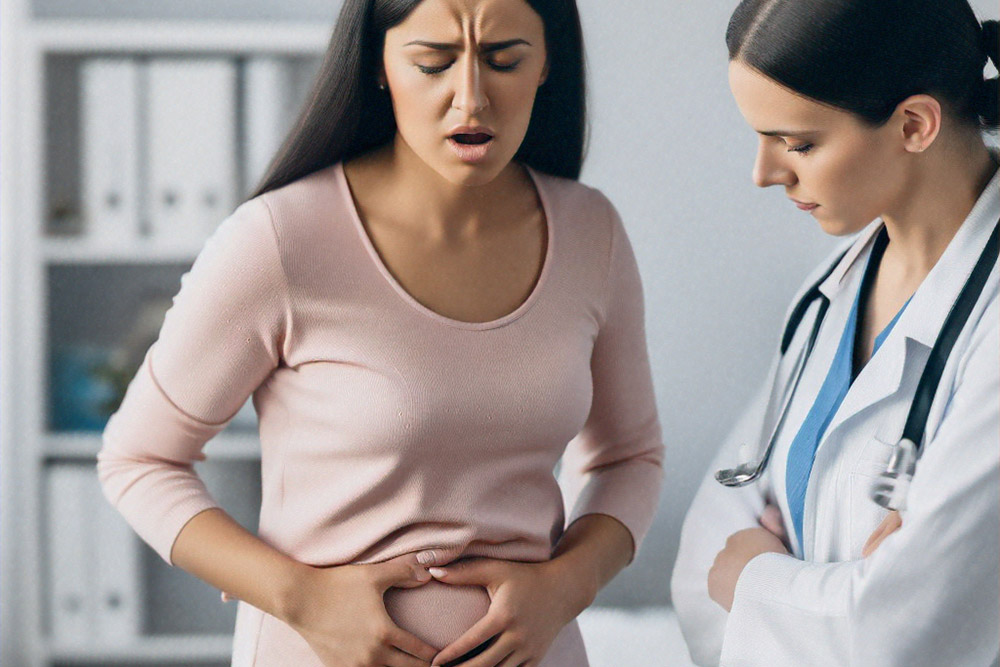
Medical History and Exam
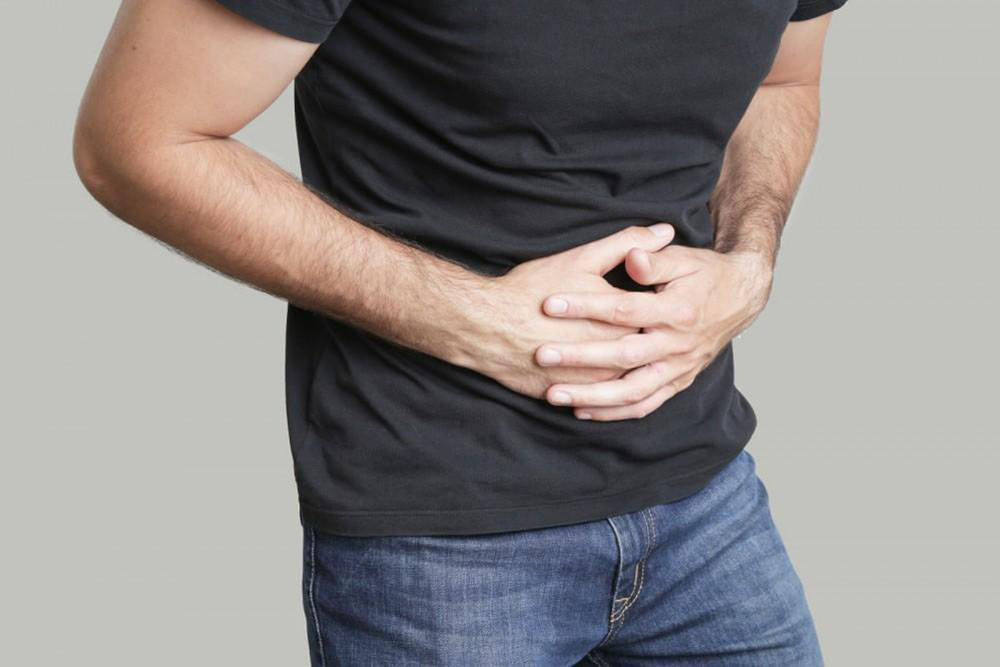
He inquires when, where, how long, what, and what makes you have epigastric pain? He examines your nutrition, any drugs including Nonsteroidal anti-inflammatory drugs and alcohol and pre-existing ulcers or reflux. Subcutaneous abdominal palpation.
Laboratory Tests
We order blood work including:
- CBC to look for anemia or infection
- Liver function tests (AST, ALT, ALP, bilirubin)
- Pancreatic enzymes (amylase, lipase)
- H. pylori breath or stool antigen test if peptic ulcer is suspected
Imaging Studies
- Abdominal ultrasound to evaluate gallbladder, bile ducts, liver, and pancreas
- CT scan of the abdomen/pelvis when complications like pancreatitis, perforation, or masses are a concern
Endoscopic Evaluation
An upper endoscopy (EGD) provides direct visualization of the esophagus, stomach, and duodenum to detect ulcers, gastritis, hiatal hernia, or other lesions. Biopsies can be taken for H. pylori or malignancy testing.
Advanced Testing (if needed)
Only under select conditions, an esophagus pH should be monitored or manometry of the esophagus should be conducted to determine the reflux and motility disorders. Submuscular lesions or follow-up changes of chronic pancreatitis can also be assessed by endoscopic ultrasound.

Frequently Asked Questions
What causes gastric varices?
The principal causes include liver cirrhosis, portal hypertension, and splenic vein clots.
Is bleeding associated with gastric varices retrograde?
Yes. It is a medical emergency that requires immediate intervention to prevent shock and control bleeding.
Can diet help reduce my risk?
Yes. Following a low-salt diet and avoiding alcoholic beverages can help lower pressure in the stomach veins and reduce risk.
Is the TIPS procedure necessary all the time?
No. It is only performed when other treatments fail or in cases of recurrent bleeding.
What is the distinction between esophageal and gastric varices?
Esophageal varices occur in the esophagus (the tube connecting the mouth and stomach), while gastric varices develop in the stomach itself.
What is the ICD-10 code of gastric varices?
The ICD-10 code for gastric varices is I85.00. For accurate records or insurance claims, consult your physician or insurance provider.