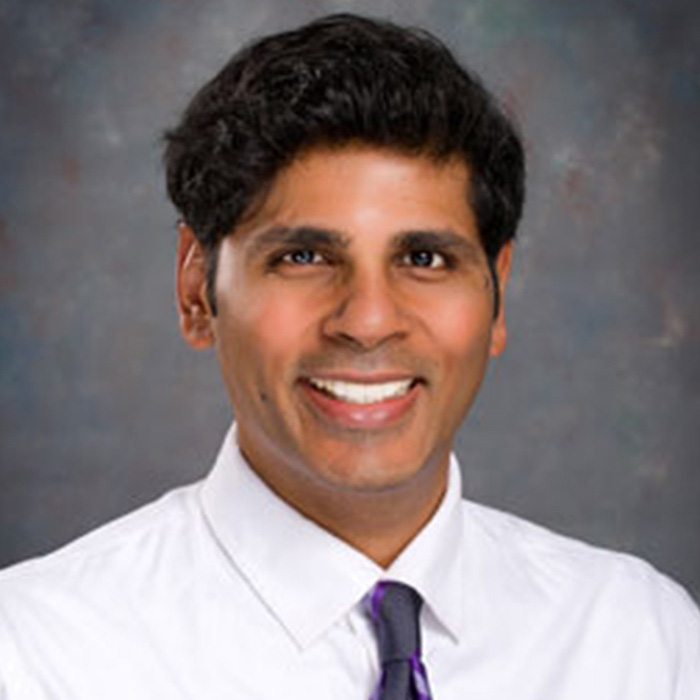
Expert Treatment for Fecal Abnormalities by Dr. Bharat Pothuri
Dr. Pothuri uses a step-by-step approach:
Medical Review & Exam
He inquires about your symptoms, diet, travel history, and family GI problems and, then, carries out a polite abdominal and rectal exam.
Stool Tests
Occult blood, fat malabsorption, pathogen (bacteria, virus, parasite) and inflammatory the analysis.
Blood Tests
Complete blood count, inflammatory markers (CRP, ESR), and metabolic panel to assess for anemia or systemic infection.
Endoscopic Evaluation
Colonoscopy or flexible sigmoidoscopy to directly inspect the colon, remove polyps, and obtain biopsies if needed.
Imaging
- CT scan or MRI abdomen/pelvis to evaluate bowel wall and surrounding tissues.
- Specific studies in liver, gallbladder and pancreas with the help of ultrasound of the abdomen.
Frequently Asked Questions
What does stool color tell me?
Black or red stool is an indication of bleeding, pale stool suggests a problem with bile, and greasy stool indicates fat malabsorption.
Why does my stool contain blood or mucus?
It may be caused by hemorrhoids, fissures, infections, or inflammatory bowel diseases such as IBD.
At what point would I visit a doctor over a bowel change?
If abnormal stools persist for more than several days or are accompanied by pain, weight loss, or bleeding, make an appointment as soon as possible.
What tests will I need?
Depending on your symptoms, Dr. Pothuri might order stool studies, blood tests, colonoscopy, or radiologic imaging (CT, ultrasound).
Is diet helpful in correction of abnormal stools?
Yes. Consuming fiber, staying hydrated, and avoiding fatty or spicy foods usually helps improve stool consistency and bowel habits.
Is a colonoscopy necessary?
Not necessarily. Dr. Pothuri evaluates the need based on your age, risk factors, and results of initial tests.
How do I book an appointment?
You can schedule a visit via GastroDoxs.com or contact our Houston office to book a consultation with Dr. Pothuri.