Expert Treatment for Fat Loss by Dr. Bharat Pothuri
Dr. Pothuri uses a step-by-step approach:
Medical History and Physical Exam
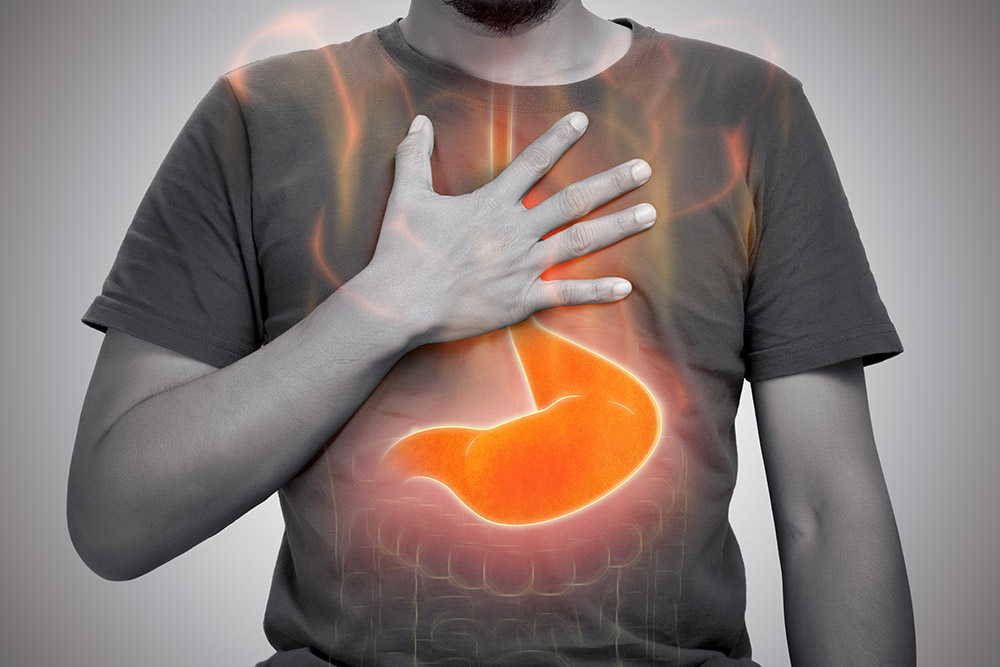
He will inquire on the specific site, time, severity and nature of your epigastric pain, your relationship with food or drugs, alcohol consumption, the level of stress, and any related symptoms that ate swollen or weight loss.
Laboratory Tests
- Complete blood count (CBC) to look for anemia or infection
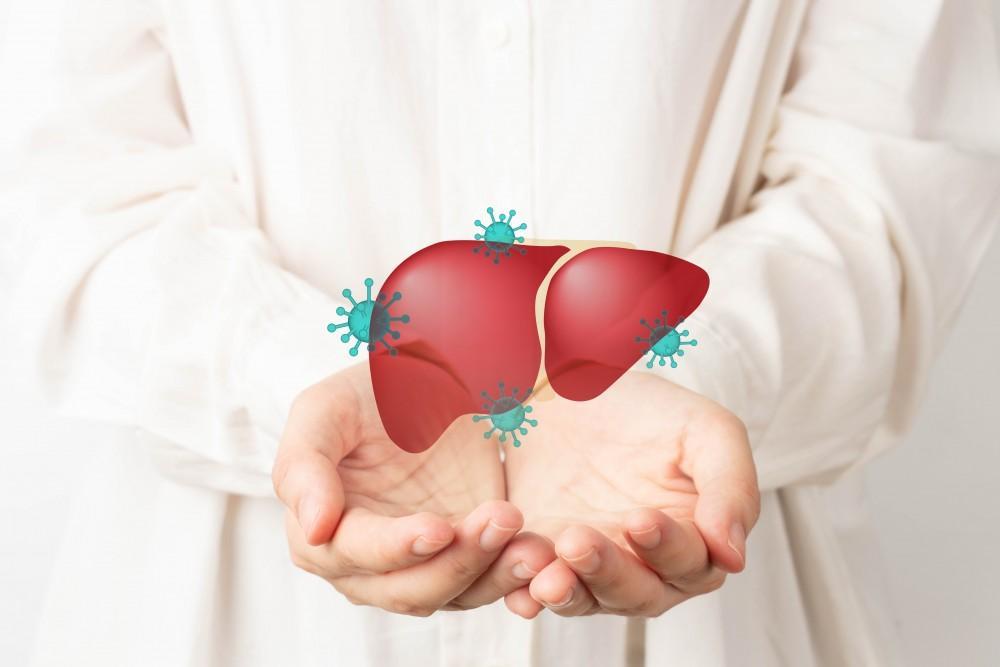
- Liver function tests (AST, ALT, ALP, bilirubin) to rule out biliary causes
- Serum amylase and lipase to exclude pancreatitis
- H. pylori testing (urea breath test or stool antigen) to detect ulcer-forming bacteria
Imaging Studies
- Abdominal ultrasound to check for gallstones, bile duct dilation or fatty liver changes
- CT scan or MRI abdomen when more detailed views of the pancreas, biliary tree or other organs are needed
Endoscopic Evaluation
Endoscopy (EGD) directly to the esophagus, stomach, and duodenum, to either graphically observe the esophagus, stomach and duodenum of evidence of gastritis, peptic ulcers, reflux disease or mucosal lesions.
Advanced Testing (if needed)
Endoscopic ultrasound due to subtle pancreatic or biliary pathology, gastric emptying examination due to any suspected gastroparesis, or a HIDA scan to evaluate the quality of the gallbladder and exclude any biliary dyskinesia.

Frequently Asked Questions
Causes of Unintentional Fat Loss
Unintentional fat loss may result from underlying medical conditions such as illness, malabsorption, hyperthyroidism, cancer, or chronic infections.
When Fat Loss is Concerning
Fat loss is concerning if a person loses more than 5% of their body weight without effort over a 6-month period. This warrants medical evaluation.
Determining the Cause
The underlying cause is determined through detailed medical history, physical examination, laboratory tests, imaging studies, and sometimes endoscopy or biopsy.
Dietary Assistance
Energy-dense diets high in protein, supplementation, and addressing the underlying illness are beneficial for restoring weight and muscle mass.
Exercise to Prevent Muscle Loss
Resistance exercise combined with adequate protein intake helps preserve muscle mass even during periods of unintentional weight loss.