1.9K Reviews    |    4.7 Star Rating    |    20+ years of experience    |    72k+ Patients Treated

Best Esophageal Cancers Doctor - Dr. Bharat Pothuri

Get detailed data on esophageal cancer- threats, symptoms, diagnosis, and treatment- on the website of the American Cancer Society. Their resource materials that are reviewed by experts provide help and tips on how you can understand, cope and manage this disease in all the stages.

Call Us 832-632-4070 Schedule Now Click Here Text Us 832-632-4070 Learn More Click Here
Texas Medical Board
Harris County Medical Society
American College of Gastroenterology
American Society for Gastrointestinal Endoscopy
Memorial hermann
Houston Methodist leading Medicine
HCA Houston Healthcare
Bharat Pothuri

About the Expert

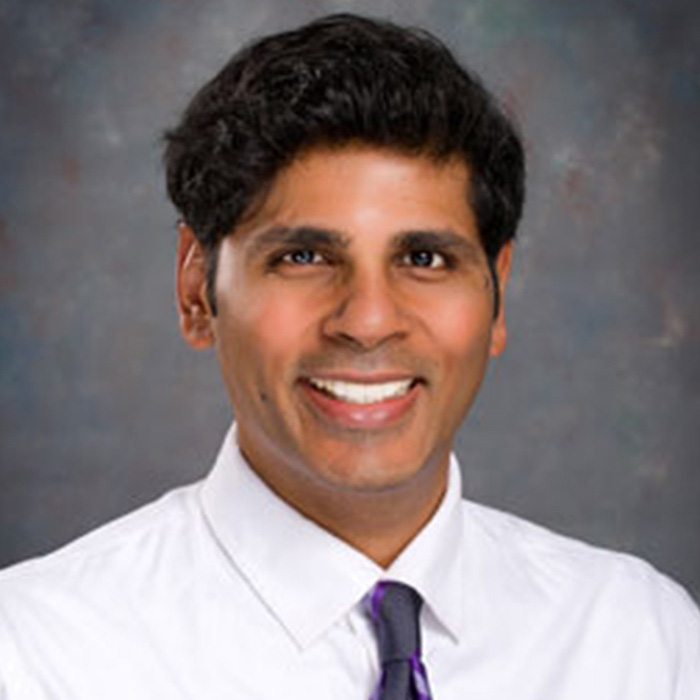
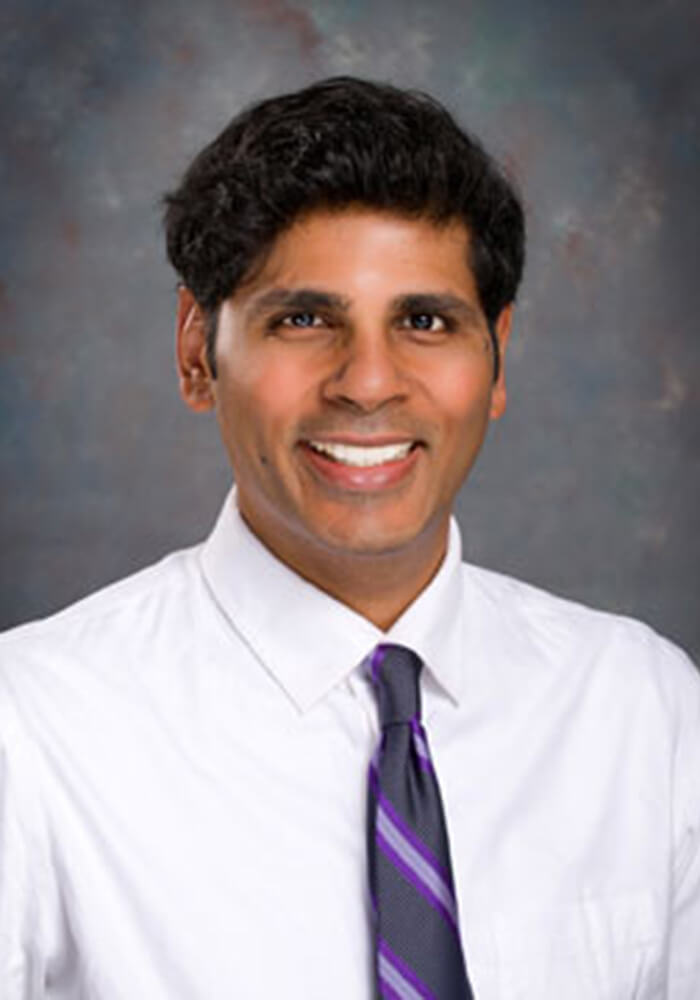
Dr. Bharat Pothuri is a board-certified gastroenterologist and the founder of GastroDoxs. With extensive experience in digestive health, he specializes in advanced endoscopic procedures, chronic GI disorder management, and preventive care. Dr. Pothuri is dedicated to providing expert, patient-focused insights to help improve gut health and overall well-being.

Common Causes and Risk Factors

  • Smoking
  • Heavy alcohol consumption
  • Chronic acid reflux (GERD)
  • Barrett's esophagus
  • Age over 60 years
  • Male sex
  • Poor diet or obesity
  • Exposure to certain workplace chemicals

Signs and Symptoms

  • Difficulty swallowing (feeling that food is stuck)
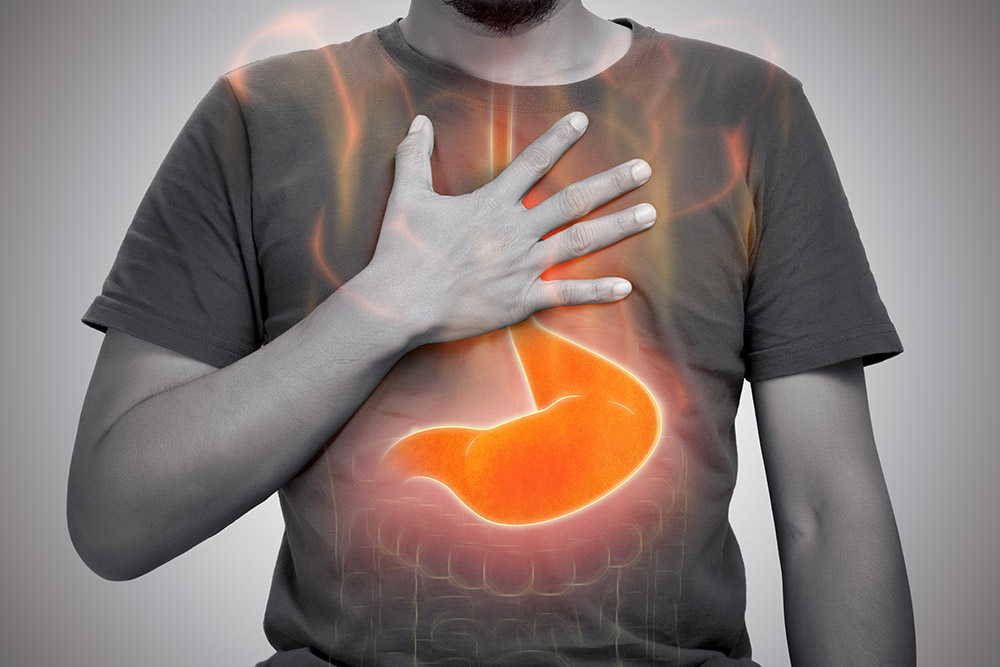
  • Persistent heartburn or indigestion
  • Unintentional weight loss
  • Chronic fatigue or weakness
  • Persistent cough or hoarse voice
  • Chest pain or pressure

Expert Treatment for Esophageal Cancers by Dr. Bharat Pothuri

Dr. Pothuri uses a step-by-step approach:

Medical History and Physical Exam

He examines your symptoms -trouble swallowing, chronic heartburn, unexplainable loss of weight, chest or epigastric pains-and explains the risk factors such as smoking, alcohol consumption, GERD and Barretts esophagus.

Upper Endoscopy (EGD)

A flexible camera is thin and it is inserted in your mouth to view the esophagus and belly lining to check whether they have any abnormal growths or inflammation.

Biopsy

When performing endoscopy, Dr. Pothuri obtains small tissue samples to undergo microscopic testing so that it can be ascertained that there are cancerous or precancerous cells.

Imaging Studies

  • CT scan of the chest and abdomen evaluates tumor size, local extension and potential spread to lymph nodes or organs.
  • PET scan detects areas of increased metabolic activity, helping identify distant metastases.

Endoscopic Ultrasound (EUS)

Combining endoscopy with ultrasound, EUS accurately measures how deep a tumor has invaded the esophageal wall and assesses nearby lymph nodes.

Additional Testing (if needed)

Usually used with ultrasound EUS combined with endoscopy, EUS is more precise in determining the degree of invasion of a tumor of the esophageal wall, as well as in examining the lymph nodes adjacent to the esophagus.
Bharat Pothuri
Treatment

Our Houston team at GastroDoxs provides comprehensive esophageal cancer care.

1. Diet and Lifestyle Interventions

  • For difficulty swallowing, consume soft or moist foods to make eating easier.
  • Avoid spicy, acidic, or extremely hot foods that can irritate the esophagus.
  • Remain standing or upright for at least one hour after eating to prevent reflux.
  • Maintain a healthy diet and engage in regular physical exercise as tolerated.

2. Medications

  • Proton pump inhibitors (PPIs): Reduce stomach acid and help manage reflux symptoms.
  • Analgesics: Narcotic medications may be prescribed to help manage pain.
  • Antiemetic drugs: Used to reduce nausea and improve comfort during treatment.

3. Constitutional Surgery and Modern Medicine

  • Endoscopic mucosal resection (EMR): Used to remove small tumors in the esophagus or stomach.
  • Radiofrequency ablation (RFA): Destroys abnormal or precancerous tissue using heat energy.
  • Minimally invasive surgery: Removes tumors with smaller incisions and promotes faster recovery.
  • Immunotherapy and targeted therapy: Applied in advanced or metastatic cases to attack cancer cells more precisely.
1.5K

Patients Treated

Dr. Pothuri has treated more than 1.5K patients, helping individuals improve their digestive health and overall well-being through expert, personalized care.

20Y

Years of Experience

With over 20 years of experience, GastroDoxs has been a trusted provider of gastroenterology care, focusing on delivering the best outcomes for patients

Bharat Pothuri

About the Author

Dr. Bharat Pothuri is a Board-Certified Gastroenterologist and Hepatologist. With extensive experience in digestive health, he specializes in advanced endoscopic procedures, chronic GI disorder management, and preventive care. Dr. Pothuri is dedicated to providing expert, patient-focused insights to help improve gut health and overall well-being.

Frequently Asked Questions

What are the clinical manifestations of esophageal cancer?

The symptoms of esophageal cancer may include difficulty swallowing (dysphagia), persistent heartburn, unexplained weight loss, and fatigue. These symptoms may develop gradually and should be evaluated promptly by Dr. Pothuri for accurate diagnosis and management.

Is esophageal cancer capable of affecting women?

Yes. While esophageal cancer is more common in men, women can also be affected. Risk factors such as smoking, alcohol consumption, chronic acid reflux (GERD), and Barrett’s esophagus apply to both genders.

What are the clinical diagnosis methods of esophageal cancer?

Diagnosis typically involves an upper endoscopy with biopsy to confirm the presence of cancer cells. Additional tests such as computed tomography (CT), positron emission tomography (PET) scans, and endoscopic ultrasound (EUS) help determine the tumor’s size, spread, and lymph node involvement.

Is it possible to eat normally during treatment?

During treatment, you may need to modify your diet to include soft or moist foods and avoid spicy, acidic, or excessively hot meals. Dr. Pothuri and the nutrition team will personalize your diet plan to make swallowing easier and ensure adequate nutrition.

How does it feel to be sick after surgery?

Most patients stay in the hospital for about 3–5 days following surgery. Recovery usually takes 4–6 weeks, during which dietary guidelines and follow-up visits are essential to monitor progress and ensure healing.

Are there non-surgical interventions for esophageal cancer?

Yes. Depending on the stage of the disease and overall health, non-surgical options include endoscopic mucosal resection (EMR), radiofrequency ablation (RFA), radiation therapy, chemotherapy, targeted therapy, and immunotherapy.

Does GastroDoxs provide support services?

Absolutely. GastroDoxs offers comprehensive care, including nutritional counseling, patient support groups, coordinated care services, and access to a multidisciplinary team of surgeons, oncologists, and nutritionists to support every step of treatment and recovery.


Related Blogs
Abdominal Pain

IBD-Friendly Snacks to Munch On

Read More
Abdominal Pain

All About Liver Elastography

Read More
Abdominal Pain

8 Ways to Remedy Acid Reflux Without Medication

Read More