Expert Treatment for Esophageal Cancers by Dr. Bharat Pothuri
Dr. Pothuri uses a step-by-step approach:
Medical History and Physical Exam
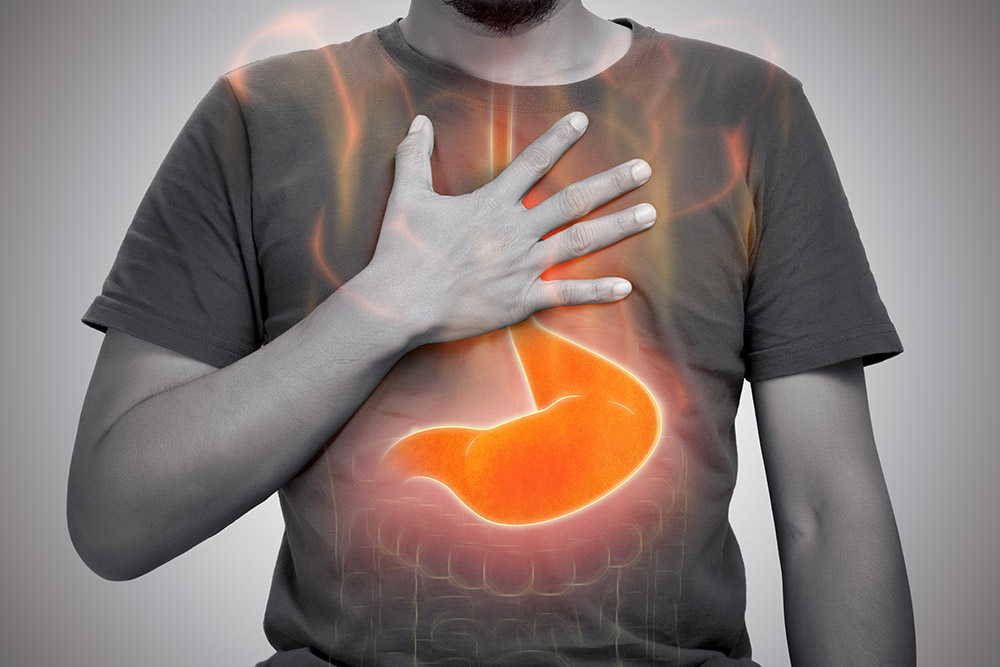
He examines your symptoms -trouble swallowing, chronic heartburn, unexplainable loss of weight, chest or epigastric pains-and explains the risk factors such as smoking, alcohol consumption, GERD and Barretts esophagus.
Upper Endoscopy (EGD)
A flexible camera is thin and it is inserted in your mouth to view the esophagus and belly lining to check whether they have any abnormal growths or inflammation.
Biopsy
When performing endoscopy, Dr. Pothuri obtains small tissue samples to undergo microscopic testing so that it can be ascertained that there are cancerous or precancerous cells.
Imaging Studies
- CT scan of the chest and abdomen evaluates tumor size, local extension and potential spread to lymph nodes or organs.
- PET scan detects areas of increased metabolic activity, helping identify distant metastases.
Endoscopic Ultrasound (EUS)
Combining endoscopy with ultrasound, EUS accurately measures how deep a tumor has invaded the esophageal wall and assesses nearby lymph nodes.
Additional Testing (if needed)
Usually used with ultrasound EUS combined with endoscopy, EUS is more precise in determining the degree of invasion of a tumor of the esophageal wall, as well as in examining the lymph nodes adjacent to the esophagus.
Frequently Asked Questions
What are the clinical manifestations of esophageal cancer?
The symptoms of esophageal cancer may include difficulty swallowing (dysphagia), persistent heartburn, unexplained weight loss, and fatigue. These symptoms may develop gradually and should be evaluated promptly by Dr. Pothuri for accurate diagnosis and management.
Is esophageal cancer capable of affecting women?
Yes. While esophageal cancer is more common in men, women can also be affected. Risk factors such as smoking, alcohol consumption, chronic acid reflux (GERD), and Barrett’s esophagus apply to both genders.
What are the clinical diagnosis methods of esophageal cancer?
Diagnosis typically involves an upper endoscopy with biopsy to confirm the presence of cancer cells. Additional tests such as computed tomography (CT), positron emission tomography (PET) scans, and endoscopic ultrasound (EUS) help determine the tumor’s size, spread, and lymph node involvement.
Is it possible to eat normally during treatment?
During treatment, you may need to modify your diet to include soft or moist foods and avoid spicy, acidic, or excessively hot meals. Dr. Pothuri and the nutrition team will personalize your diet plan to make swallowing easier and ensure adequate nutrition.
How does it feel to be sick after surgery?
Most patients stay in the hospital for about 3–5 days following surgery. Recovery usually takes 4–6 weeks, during which dietary guidelines and follow-up visits are essential to monitor progress and ensure healing.
Are there non-surgical interventions for esophageal cancer?
Yes. Depending on the stage of the disease and overall health, non-surgical options include endoscopic mucosal resection (EMR), radiofrequency ablation (RFA), radiation therapy, chemotherapy, targeted therapy, and immunotherapy.
Does GastroDoxs provide support services?
Absolutely. GastroDoxs offers comprehensive care, including nutritional counseling, patient support groups, coordinated care services, and access to a multidisciplinary team of surgeons, oncologists, and nutritionists to support every step of treatment and recovery.