What Is Eosinophilic Jejunitis?
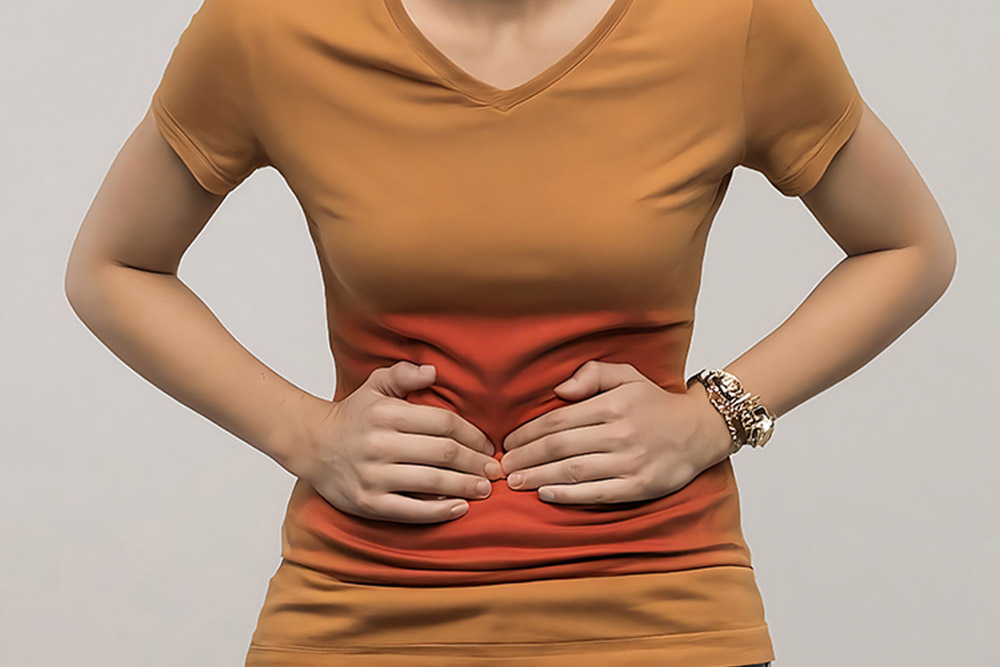
Eosinophilic jejunitis is a rare disease of the inflammatory system in which the eosinophils type of white blood cell are deposited in the jejuna (the middle part of the small intestine). This accumulation causes swelling, pain and poor digestion. Gut health may be restored in early recognition and with specialized management that may minimize symptoms.
Common Causes and Risk Factors
- Food allergies (dairy, wheat, soy, nuts, eggs)
- Environmental allergies (pollen, dust mites)
- Overactive immune response sending excess eosinophils to the gut
- Family history of eosinophilic gastrointestinal disorders
- Coexisting allergic conditions (asthma, eczema, allergic rhinitis)
Signs and Symptoms
- Abdominal pain or cramps, especially after meals
- Bloating and excessive gas
- Diarrhea or loose, frequent stools
- Nausea and vomiting
- Unintentional weight loss
- Chronic fatigue or lack of energy
Expert Treatment for Eosinophilic Jejunitis by Dr. Bharat Pothuri
Dr. Pothuri uses a step-by-step approach:
Medical History and Physical Exam
He examines your abdominal pain, bowel, dietary intake, allergy and family history of eosinophilic diseases.
Blood Tests
To examine both inflammatory markers and eliminate parasitic infections, we order a complete blood count in search of high eosinophil, inflammatory markers, and parasitic infection.
Stool Studies
Stool test is done to check infectious agents, parasite and gut inflammatory biomarkers.
Endoscopy with Biopsy
An upper endoscopy or enteroscopy allows Dr. Pothuri to visualize the jejunum directly and take tissue samples. Pathology confirms eosinophil infiltration.
Imaging Studies
- CT or MR enterography evaluates small-bowel wall thickening, edema and motility changes.
- CT/MR enterography measures the thickening of the wall of the small bowel, inflammation, and motility.
Advanced and Allergy Testing (if needed)
Food triggers are identified via allergies panels or elimination diets. Capsule endoscopy can be applied to survey deeper small intestinal bowel.

Frequently Asked Questions
What is eosinophilic jejunitis? Can it be cured?
Eosinophilic jejunitis refers to inflammation of the middle part of the small intestine (jejunum) caused by an excessive number of eosinophils. Although there is currently no permanent cure, individualized dietary changes, appropriate medication, and ongoing medical supervision by Dr. Pothuri help most patients experience significant improvement.
Does jejunitis produce bloating and diarrhea?
Yes. One of the common effects of eosinophil-induced swelling in the jejunum is gas production, bloating, and loose stools. With specific treatment, symptoms can be alleviated, and inflammation levels can be reduced.
Diagnosis and Treatment of Eosinophilic Jejunitis by Dr. Pothuri
Dr. Pothuri conducts a comprehensive medical evaluation that includes a detailed history, blood tests, and stool examination. Diagnosis is confirmed through endoscopy with biopsy. Treatment usually begins with an elimination diet and may be supplemented with steroids, coated steroids, biologics, acid blockers, or minimally invasive procedures, depending on the patient’s condition.
Where is the biopsy for eosinophilic jejunitis performed in Houston?
Dr. Pothuri performs endoscopic biopsies at several leading medical centers in Houston, including the Texas Medical Center, Memorial Hermann, and HCA Houston Healthcare. His team assists patients with scheduling and preparation to ensure a smooth and hassle-free experience.
What foods should I avoid?
Common dietary triggers include dairy, wheat, soy, nuts, eggs, and certain fruits. Following an elimination diet and maintaining a food diary helps identify individual food sensitivities under Dr. Pothuri’s guidance.
Is long-term steroid use safe?
To minimize steroid exposure, Dr. Pothuri typically recommends short courses of systemic steroids, gut-targeted coated steroids, or biologics whenever possible. He closely monitors each patient’s progress to ensure both safety and effectiveness of the treatment plan.