What Is Eosinophilic Gastritis?
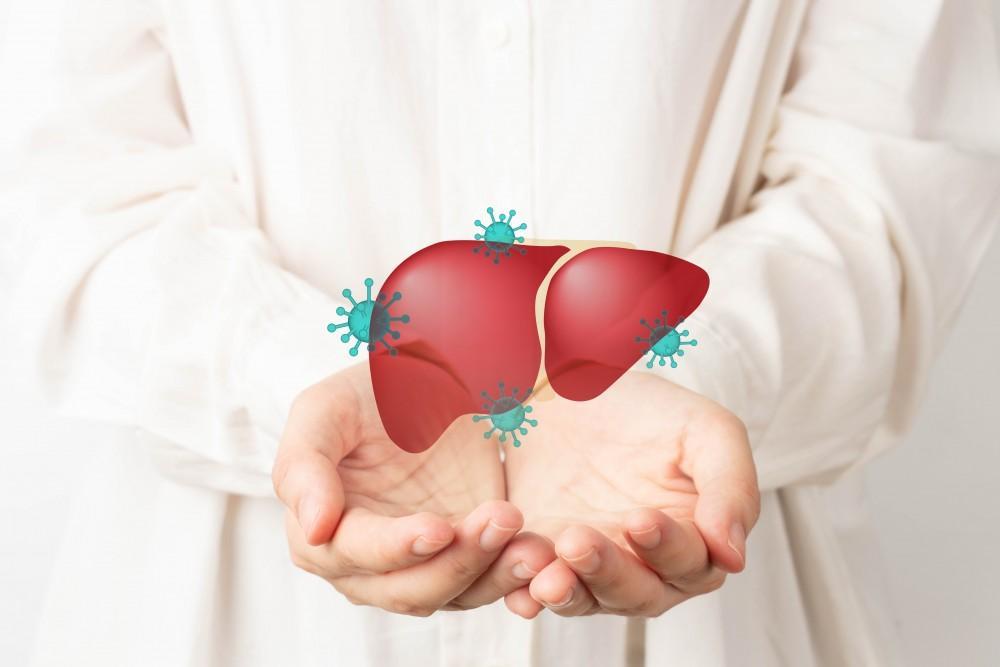
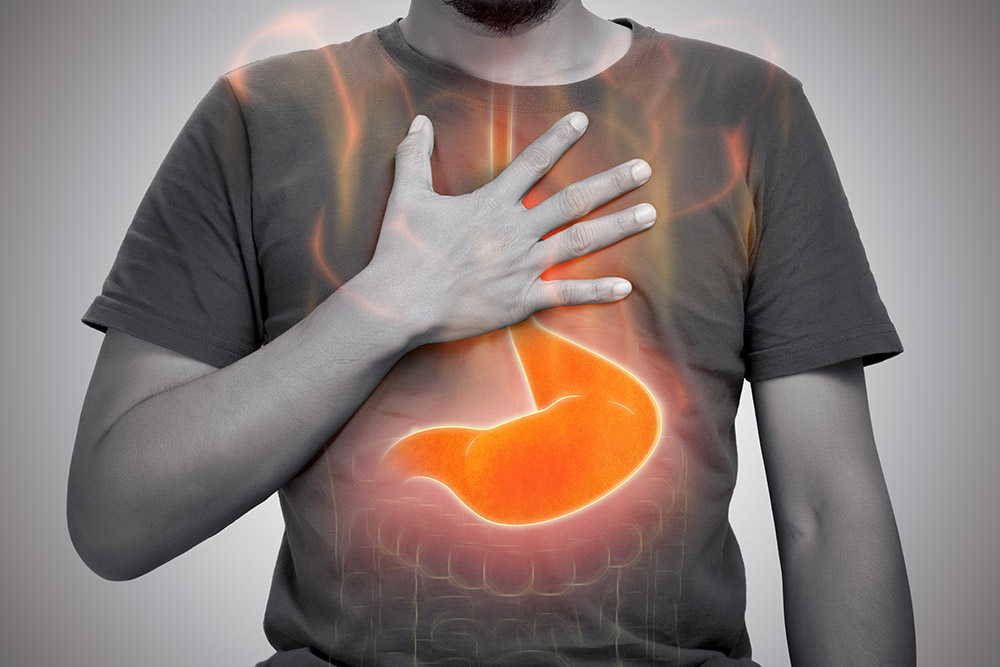
Eosinophilic gastritis is a disease that is rarely met, due to the accumulation of eosinophils (a kind of white blood cell) in the stomach wall. Depending on normal conditions, eosinophils are useful in fighting infections, but when accumulated in excess, they lead to swelling, tissue damage and various digestive symptoms.
Common Causes and Risk Factors
- Food allergy (dairy products, wheat products, soy products, nuts, eggs)
- Yes or No Some personal or family history of allergies (asthma, eczema, allergic rhinitis)
- Other gastrointestinal eosinophiliac diseases (e.g. eosinophilic esophagitis)
- Failure of immune system or over-sensitivity
- Immune regulation genetic predisposition
Signs and Symptoms
- Pain or belly cramps, usually after meals are had in the upper abdomen
- Nausea and vomiting
- Acid reflux or heartburn
- Satiety: Because of small portions of food early small bowel fullness
- Abdominal distension and bloating
- Diarrhea
- Unintentional weight loss
- Deficiencies or fatigue (in the long run cases)
Expert Treatment for Eosinophilic Gastritis by Dr. Bharat Pothuri
Dr. Pothuri uses a step-by-step approach:
Medical History and Physical Exam
He checks your timeline of symptoms, diet, allergy of the consumer (asthma, eczema), and the family history of the eosinophilic or allergic variety.
Blood Tests
We gauge the peripheral eosinophil count, humor viracity of increasing-achieve of IgE and we eliminate parasitic infectious informativeness of eosinophilia.
Allergy Evaluation
- Serum-specific IgE pan-els detect typical food provoking (dairy, wheat, soy)
- Delayed hypersensitivity reaction to patch testing might be identified
Upper Endoscopy with Biopsy
The fold of the stomach is directly examined by endoscope. Biopsies directed to pinpoint the inflammation are carried out to identify eosinophilic activity and determine the intensity of the inflammation level.
Imaging Studies (if needed)
- Abdominal ultrasound or CT scan to evaluate the thickening of walls or eliminate other structural defects.
- MRI enterography is used in special instances to examine deeper issues of the stomach and other things surrounding the stomach.

Frequently Asked Questions
What causes eosinophilic gastritis?
The most frequent triggers are food allergies and the dysfunction of the immune system. History of asthma, eczema or other allergic conditions, either personal or family history may also be at risk.
How is it diagnosed?
The diagnosis includes a combination of blood tests of the increased level of eosinophils, allergy tests, and an15 of an upper endoscopy and biopsy that verify the presence of eosinophil in the stomach lining.
Can diet help on its own?
Sometimes yes. The symptoms can be relieved with the help of eliminating trigger foods under the supervision of a dietitian, although medication is necessary in most cases, so as to completely control inflammation in the patient.
Is it the same as eosinophilic esophagitis?
No. Eosinophilic gastritorrhinae acts on the stomach lining on the one hand, and eosinophilic esophagiterra on the other hand eosinophil accumulates in the esophagus.
What happens if I don't treat it?
The disease can cause ulcers, scarring, strictures, and malabsorption which are results of untreated disease and weight loss and nutritional deficiencies.
Does insurance cover care?
It varies by the plan of cover. GastroDoxs can confirm the benefits and take care of proper coding with ICD-10 (K52.81).