Expert Treatment for Eosinophilic Duodenitis by Dr. Bharat Pothuri
Dr. Pothuri uses a step-by-step approach:
Medical History and Symptom Review
He talks about your epigastric pain, nausea, diet, all known food / environmental allergies, and family history of allergic disorders.
Physical Examination
Abdominal exam has a test of belly tenderness at the upper belly, bloat or marks of malnutrition.
Blood Tests
We receive the complete blood count to determine the level of eosinophils and exclude the possibility of parasitism or other inflammatory causes.
Allergy Testing
- Food or environmental triggers are detected with the assistance of skin-prick tests or specific IgE blood panels.
- The elimination diets can be tested manageable under those to identify the aggravating foods.
Upper Endoscopy and Duodenal Biopsy.
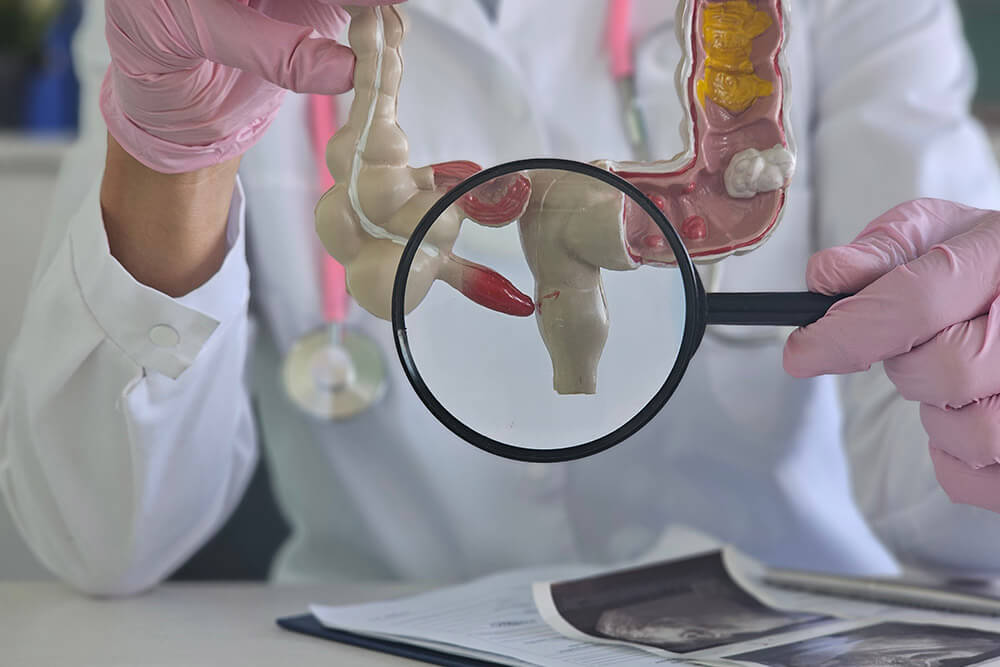
An endoscope is a (flexible) tool that examines the duodenum, stomach, and esophagus. Small tissue specimens verify the presence, as well as the amount of eosinophil infiltration.
Additional Imaging or Studies (if needed)
Structural abnormalities are excluded with the help of abdominal ultrasound or CT scans; infectious causes of diarrhea are excluded using stool studies.

Frequently Asked Questions
What are the symptoms of eosinophilic duodenitis?
Common signs include upper abdominal pain or cramps, nausea, vomiting, heartburn, bloating, gas, low appetite, weight loss, and diarrhea-often worse after eating or allergen exposure.
How serious is eosinophilic duodenitis?
In case it is not treated, it may result in ulceration, strictures (narrowing), malabsorption, and intestinal blockages. Complications can be eliminated through early diagnosis and management.
Who is the best doctor near me for this condition?
One of the patients at GastroDoxs in Houston has confidence in Dr. Bharat Pothuri to provide them with dedicated, systematic treatment and diagnosis in the case of eosinophilic duodenitis.
Can food allergies cause eosinophilic duodenitis?
Yes. Eosinophil accumulation in the duodenum by food allergens (dairy, soy, wheat, nuts) can cause inflammation.
Will I need surgery to treat it?
Medications, allergy management and changes in diet improve most of patients. In some extreme cases of severe narrowing, no incision required and Dr. Pothuri may do a balloon dilation.
How soon will I feel better after starting treatment?
According to numerous patients, the symptoms start to disappear in several weeks after the onset of dietary changes and prescribed drugs.
Is eosinophilic duodenitis the same as celiac disease?
No. Celiac disease is a gluten related immune response to gluten that destroys the small intestine. Eosinophil- mediated inflammation characterizes eosinophilic duodenitis, which is usually associated with allergies.