Expert Treatment for Duodenitis Without Bleeding by Dr. Bharat Pothuri
Dr. Pothuri applies the step-by-step method:
Medical Ancient History and Symptom Review.
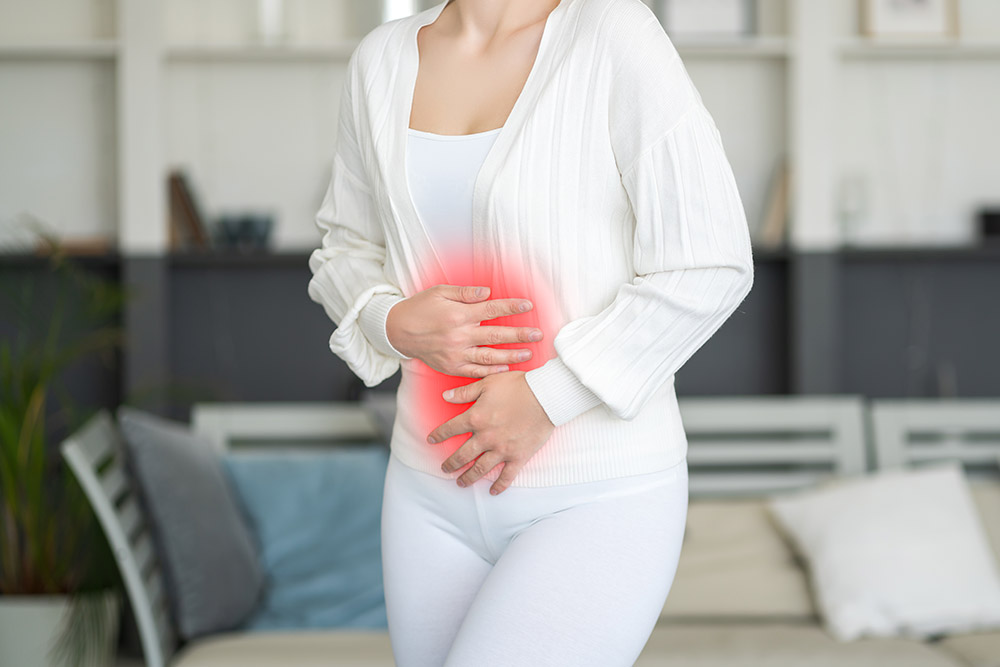
He questions extensively on your pain in the epitom (when, what causes it to happen, how much, NSAID or aspirin, alcohol and tobacco, stress, family history of gastrointestinal problems).
Physical Examination
Dr. Pothuri examines your belly to know whether it is tender, guarded, or has some unusual development.
Laboratory and Stool Tests
The blood analysis identifies the presence of an increased number of white blood cells or an anemic state; a stool antigen test helps to identify infection with Helicobacter pylori.
Upper Endoscopy (EGD)
- Eighty-five percent to express the duodenal lining directly to detect inflammation, erosions or ulcers.
- Biopsy samples will be done to identify H. pylori, determine the extent of inflammation, and exclude other disorders.
Additional Imaging (if needed)
An abdominal ultrasound or CT scan on uncommon occasions is prescribed to remove other abdominal or biliary causes of epigastric pain.

Frequently Asked Questions
What causes duodenitis without bleeding?
H. pylori loans can cause duodenitis without bleeding, NSAID use (such as ibuprofen or aspirin), chronic stress, smoking, alcohol, autoimmune or family history of gastrointestinal diseases.
Is it serious even if there's no bleeding?
Yes. Duodenitis may damage duodenal lining and cause serious pain without the presence of the visible bleeding, which may result in ulcers and other complications in case of the unattended condition.
How is it diagnosed?
The diagnosis is conducted through the combination of a detailed medical history and a physical examination, blood tests to identify infection or inflammation present, stool tests to identify H. pylori, and, in a case of necessity, an upper endoscopy with a biopsy which provides a clear and direct view of the tissue of the duodenum and direct sample of it.
Should I see a specialist?
Yes. A gastroenterologist is a trained specialist such as Dr. Bharat Pothuri who has years of special training on accurate diagnosing and treating duodenitis and other disorders of the digestive system.
Can diet changes really help?
Absolutely. It may be useful to avoid spicy food, greasy food, and acidic food, eat small and frequent meals, and to limit the consumption of caffeine, alcohol, and tobacco to an extent so that inflammation and discomfort will be considerably decreased.
How long does recovery take?
The majority of the patients have been getting better in their four or six weeks of the prescribed treatment regimen, which might be in the form of drugs and changes in lifestyle.
When should I go to the ER?
Consult emergency care in case of severe abdominal pains, vomited blood, or tarry and black stools.