What Is Diverticulitis?
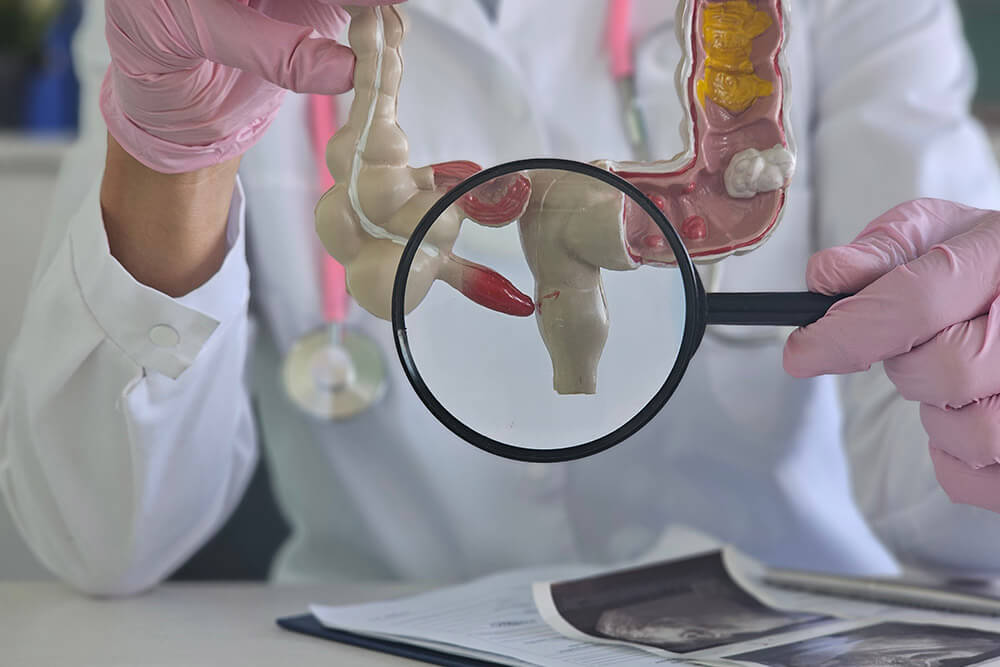
Diverticulitis occurs when tiny holes (diverticula) on the wall of the colon get inflamed or infected which causes abdominal pain and gastrointestinal discomfort.
Common Causes and Risk Factors
- Age-related weakening of the colon wall (more common over 40)
- Low-fiber diet that leads to harder stools and increased colon pressure
- Physical inactivity or a sedentary lifestyle
- Obesity or being overweight
- Smoking tobacco
- Certain medications (e.g., steroids, NSAIDs)
Signs and Symptoms
- Sharp or steady pain in the lower left abdomen
- Fever and chills
- Nausea or vomiting
- Constipation or diarrhea
- Abdominal tenderness when pressed
Expert Treatment for Diverticulitis by Dr. Bharat Pothuri
Step 1: Medical History and Physical Exam
Dr. Pothuri begins using questions concerning your symptoms and health. He will place his fingers delicately on your belly to find out the presence of pain or not.
Step 2: Imaging
In order to establish the diagnosis, he can request a CT scan. This indicates any infection and swelling. An ultrasound comes in handy in certain instances.
Step 3: Blood Tests
He can even request blood tests to check any indication of ill health.
Step 4: Follow-up Evaluation
A colonoscopy can be performed to determine other issues after a few days.
Frequently Asked Questions
What triggers a diverticulitis exacerbation?
Pressure in the colon can result due to low intake of fiber, dehydration, lack of exercise, or sudden change of diet leading to inflammation.
Treatment of diverticulitis: How do we treat the so-called diverticulitis?
Light, particular cases may be treated with antibiotics and rest. Serious complications can require the removal of fluid or surgery to fix the complications.
Is it possible that diverticulitis produces powerful stomach pain?
Yes. This usually causes sharp, persistent pains on the lower left of the abdomen and becomes acute during an attack.
What time do you want me to go to the hospital?
In case of high fever, acute pain in the abdomen, incessant vomiting, or bleeding symptoms, use emergency medical services immediately.
Which types of foods should I eat during reintegrations?
Clear liquids should be consumed first, followed by low-fiber foods. Gradually reintroduce fruits, vegetables, and whole grains when you feel better.
What can I do in order to avoid further backlashes?
A healthy diet that consists of plenty of fiber, good hydration, physical exercise, and stress management can help maintain healthy colon function.
Is my post-episode of diverticulitis a requirement for a colonoscopy?
Yes. It is recommended to have a colonoscopy after healing to detect polyps, cancer, or any underlying complications.