1.9K Reviews    |    4.7 Star Rating    |    20+ years of experience    |    72k+ Patients Treated

Expert Difficulty Swallowing Specialist

Dr. Bharat Pothuri specializes in the care of dysphagia at GastroDoxs in Houston, where he approaches the management and diagnosis of the health problem with a personalized approach towards the patients, including infants and adults. He involves sophisticated testing, nutritional modifications, and special interventions to contribute to regaining comfortable and safe swallowing and general well-being.

Call Us 832-632-4070 Schedule Now Click Here Text Us 832-632-4070 Learn More Click Here
Texas Medical Board
Harris County Medical Society
American College of Gastroenterology
American Society for Gastrointestinal Endoscopy
Memorial hermann
Houston Methodist leading Medicine
HCA Houston Healthcare
Bharat Pothuri

About the Expert

Dr. Bharat Pothuri is a board-certified gastroenterologist and the founder of GastroDoxs. With extensive experience in digestive health, he specializes in advanced endoscopic procedures, chronic GI disorder management, and preventive care. Dr. Pothuri is dedicated to providing expert, patient-focused insights to help improve gut health and overall well-being.

General Causes and Risk Factors

  • GERD due to esophageal irritation.
  • Throat muscle tension caused by anxiety and stress.
  • Parkinson's disease or stroke affecting the brain/spinal cord.
  • Strictures in the esophagus, scar tissue, or tumors inhibiting passage.
  • Infant developmental delays and reflux.
  • Weakening of swallowing muscles due to aging.

Signs and Symptoms

  • Feeling like something is stuck in the throat or chest: liquid or food.
  • Difficulties with swallowing (odynophagia) or pain/burning in the throat.
  • Choking, coughing, or gagging during food intake.
  • Regurgitation of food or acid into the esophagus.
  • Infants may have poor feeding, lack of interest in eating, or weight loss.

Expert Treatment for Difficulty Swallowing by Dr. Bharat Pothuri

Dr. Pothuri uses a step-by-step approach:

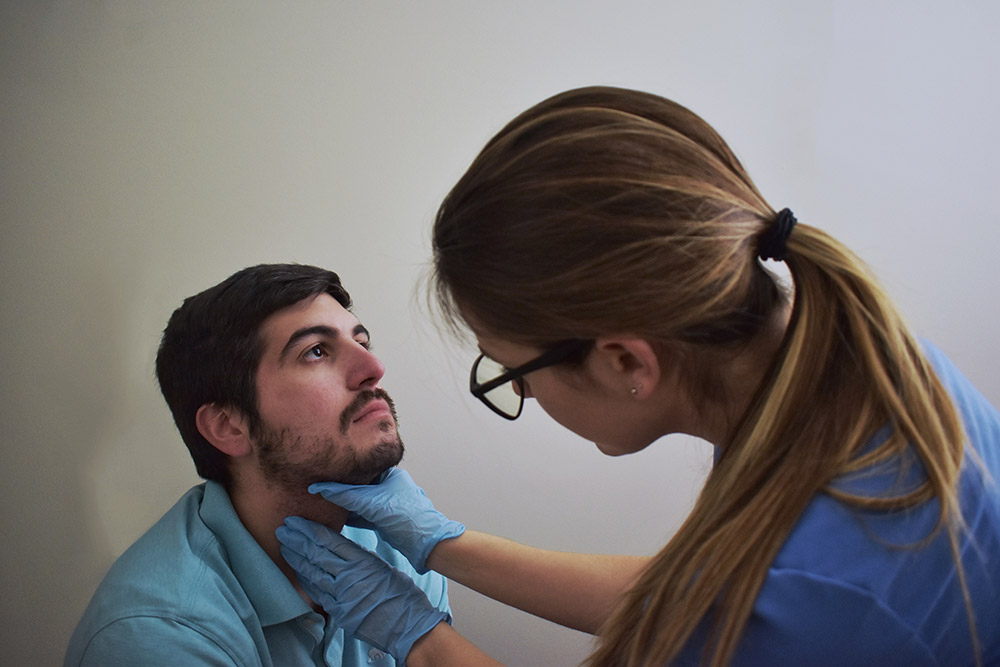
Medical History and Physical Exam In Medical History and Physical Exam, the doctor observes the patient, evaluates their condition, and looks at the outcomes of medical tests and images (Cano 2015).

He enquires being your symptoms of swallowing, what you are eating, how stressful your life is, whether you experience chest or epigastric pain. He next looks at your throat, at neck and belly to see whether they are tender or lumpy.

Barium Swallow Study

You drink a contrast solution while X-rays capture its journey down your esophagus-revealing strictures, motility problems, or sites of obstruction.

Upper Endoscopy (EGD)

An endoscope is passed through your mouth to directly visualize the lining of your esophagus and stomach. Dr. Pothuri can also obtain biopsies to rule out inflammation, eosinophilic esophagitis, or tumors.

Esophageal Manometry

This test assesses the intensity, coordination and timing of the esophageal muscle contractions- needed to diagnose for motility disease such as achalasia or spasm.

pH Monitoring (if reflux is suspected)

The acid exposure in rupture of the esophagus during 24 hours is assessed by a small probe to confirm the presence of GERD-related damage that leads to dysphagia.

Additional Imaging (as needed)

  • CT scan or MRI to assess for masses, rings, or external compression.
  • Extensive assessment of submucosal lesions by use of endoscopic ultrasound.

Dr. Bharat Pothuri
Treatment

Our Team offers a full range of care for difficulty swallowing (dysphagia).

1. Dietary and Lifestyle Modifications

  • Soft food diet with extensive chewing.
  • Drink water in small sips while swallowing.
  • Avoid spicy or acidic foods to reduce irritation.
  • Elevate the head while lying down using pillows.

2. Medications

  • GERD-related swallowing problems treated with acid blockers.
  • Muscle relaxants to ease tight throat muscles.
  • Botox injections to reduce specific muscular stiffening.

3. Minimally Invasive and Advanced Procedures

  • Balloon dilation of a narrowed esophagus to widen it.
  • Stent insertion to keep the esophagus open.
  • POEM (Peroral Endoscopic Myotomy) for achalasia patients.
9K

Patients Treated

Dr. Pothuri has treated more than 9K patients, helping individuals improve their digestive health and overall well-being through expert, personalized care.

20Y

Years of Experience

With over 20 years of experience, GastroDoxs has been a trusted provider of gastroenterology care, focusing on delivering the best outcomes for patients

Bharat Pothuri

About the Author

Dr. Bharat Pothuri is a Board-Certified Gastroenterologist and Hepatologist. With extensive experience in digestive health, he specializes in advanced endoscopic procedures, chronic GI disorder management, and preventive care. Dr. Pothuri is dedicated to providing expert, patient-focused insights to help improve gut health and overall well-being.

Frequently Asked Questions

What is dysphagia?

Dysphagia refers to difficulty in swallowing. It may affect solids, liquids, or both and can result in choking or coughing during meals.

What causes dysphagia?

It may be caused by stroke, GERD, esophageal strictures, neurological disorders (such as Parkinson's disease), or cancers of the throat or esophagus.

How is dysphagia diagnosed?

To evaluate swallowing, your physician may order a barium swallow X-ray, endoscopy, or a modified barium swallow study, which provides a real-time view of the swallowing process.

What interventions exist?

Treatment depends on the underlying cause: swallowing therapy by a speech-language pathologist, dilation of strictures, medications for reflux, or surgery for structural problems.

Can diet changes help?

Yes. Adjusting food textures (pureed foods, thickened liquids) can minimize aspiration risk. A dietitian can provide guidance on safe eating practices.

In what situations must I visit a specialist?

See a doctor if you experience persistent coughing, choking, weight loss, or food sticking in your throat for more than 2 weeks.

Is dysphagia dangerous?

Untreated dysphagia can lead to malnutrition, aspiration pneumonia, and dehydration. Early management is crucial to prevent complications.

How long does recovery take?

Recovery time depends on the cause and treatment. Speech therapy may take weeks, while surgical interventions may require days to a few weeks for recovery.


Related Blogs
Abdominal Pain

How an Upper Endoscopy Can Identify Your Digestive Discomfort

Read More
Abdominal Pain

Trouble Swallowing? It Could Be Dysphagia

Read More
Abdominal Pain

Understanding Gastrointestinal Intolerance

Read More