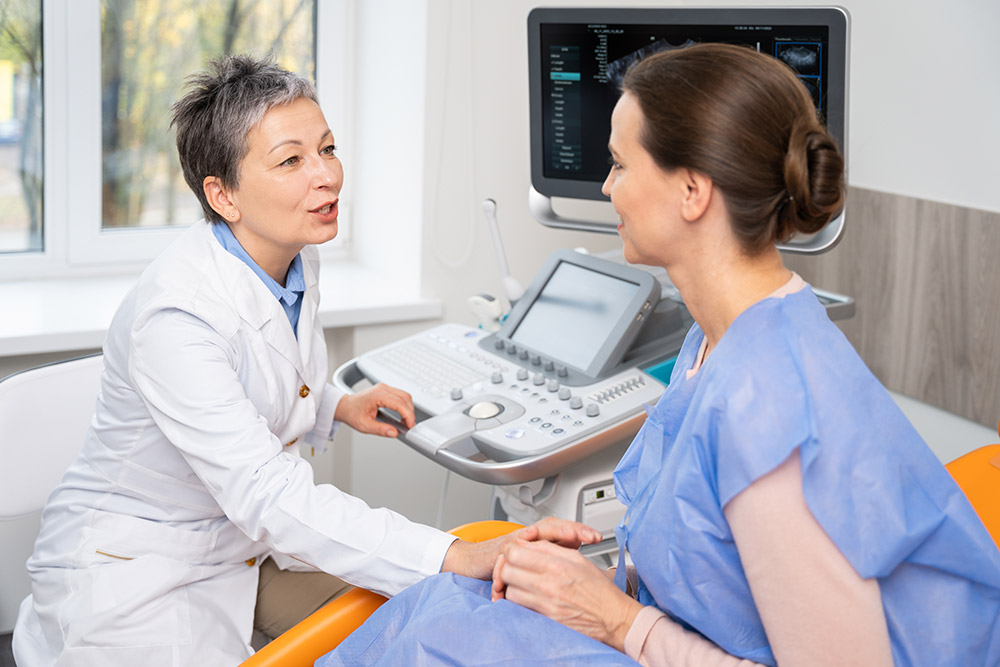
Expert Treatment for Crohn's Esophagitis by Dr. Bharat Pothuri
Dr. Pothuri uses a step-by-step approach:
Medical History and Symptom Review
He talks about your epigastric pain, swallowing problems, weight modifications, family history of Crohn’s disease and history of GI problems.
Upper Endoscopy (EGD)
The camera is a thin and flexible one that is inserted into the throat to see the lining of the esophagus and detect inflammation, ulcers or strictures.
Biopsy
Endoscopy involves taking small tissue samples to ensure changes that are caused by Crohn and eliminating other causes of inflammations.
Imaging Studies
- MRI enterography provides both clear images of the esophagus and around the structures.
- CT scan will measure the nature of the disease, and examine any complications beyond the esophagus.
Additional Tests (if needed)
Stool studies and blood (CBC, CRP) work assist in evaluating the general inflammation and rule out infection.
Frequently Asked Questions
Why does the esophagitis in Crohn occur?
It is a complication that is caused by your immune system attacking the lining of your esophagus and resulting in deep swelling, ulcers, and inflammation.
What is the difference between Crohn and GERD esophagitis?
Crohn esophagitis is an inflammation that is mediated by immune response but GERD is a result of repeated flow of stomach acid into esophagus.
When will I begin to feel better?
Majority of patients report symptom improvement in a couple of weeks of medical treatment, as well as changes in diet, but some patients do not respond to the treatment.
Will Crohn esophagitis put me at risk of cancer?
The risk is low but not zero. Frequent endoscopic surveillance and biopsies is useful in detection of any precancerous changes earlier.
Does the procedure of esophageal dilation hurt?
No. The operation is conducted under anesthetic medication and you will feel only slight pain or compulsion thereafter.
Will I be required to use long term medicine?
Yes. Continued use of immunomodulators, biologic or other maintenance therapy is typically needed to prevent exacerbations and complications.