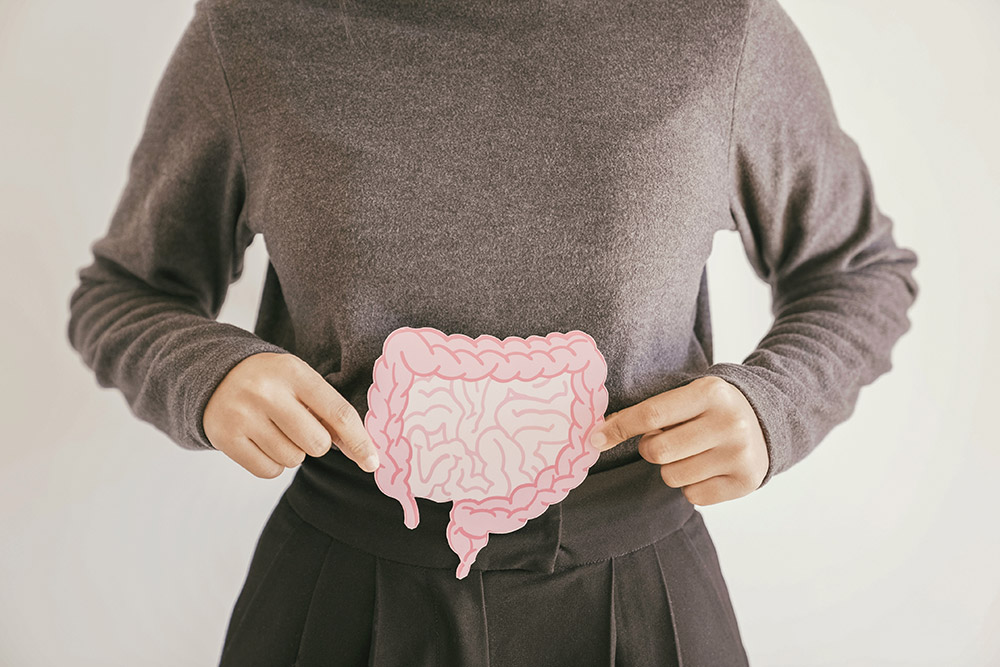
What Is a Colon Polyp?
Colon polyp is a small outgrowth, which appears on the inner surface of the large intestine. Although the majority of them are benign in the beginning, others may turn into colorectal cancer in the long run. Being aware of your risk of cancer at an early stage and having it removed is what will make your cancer risk as minimal as possible and that is why routine screening is beneficial.
Common Causes and Risk Factors
- Age over 50
- Family history of colon polyps or colon cancer
- Diet high in red or processed meats
- Smoking and heavy alcohol use
- Obesity and sedentary lifestyle
- Chronic inflammatory bowel disease (e.g., ulcerative colitis, Crohn's)
Signs and Symptoms
- Often none in early stages
- Blood in the stool or on toilet paper
- Diarrhea or constipation lasting more than a week
- Abdominal cramps or discomfort
- Nausea which causes iron deficiency or anemia (loss of energy, feeling weak) which is due to slow bleeding.
Expert Treatment for Colon Polyp by Dr. Bharat Pothuri
Dr. Pothuri uses a step-by-step approach:
Medical History and Exam
He will examine your personal and family history of polyps or colon cancer, your dietary habits, alcohol and tobacco use, and such symptoms as rectal bleeding, altered bowel habits, or unexplainable anemia. Upon thorough examination of the abdomen, the presence of tenderness or masses can be detected
Blood Tests
We screen your hemoglobin and iron status to identify the possibility of chronic bleeding and eliminate other instances of anemia, that could be with polyps.
Imaging Studies
- Colonoscopy -The gold-standard test. A flexible camera is used to examine the complete colon and the suspicious growths can be removed instantly (polypectomy).
- Flexible Sigmoidoscopy - A shorter scope examines the rectum and lower colon useful if full colonoscopy is not yet indicated.
- CT Colonography (Virtual Colonoscopy) - A non-invasive CT scan that reconstructs a 3D image of the colon to spot larger polyps when colonoscopy is contraindicated or incomplete.
Advanced Testing (if needed)
In case of biopsy or in case the polyps is flat and can not be resected, Dr. Pothuri can use endoscopic mucosal resection based on high-resolution images or can take targeted samples to pathology.

Frequently Asked Questions
Which is the code of ICD-10 of colon polyps?
ICD-10 colon polyps is K63.5 to be used in the billing and in medical records.
What size can the size of colon polyps become?
Polyps less than 5 mm are tiny, those between 6-9 mm are tiny and larger than 10 mm are polyp of large size.
Is the removal of the polyps side effects or not?
The majority of patients are able to recover relatively fast. The side effects may include minimal cramping and bloating as well as light blood loss, although severe problems are uncommon.
Circumstances: What is my repeat colonoscopy?
The time of follow-up will depend on your polyps number, size and pathology. Dr. Pothuri usually suggests a repetition study after three to five years.
Could a healthy diet help to reduce my risk of developing new polyps?
Yes. My personalized nutritional plan, which includes an abundant consumption of fiber-fuels, fruits, and whole grains and changes include red, processed meat food items, and supports colon health and potentially lowers the occurrence of polyps.
Is a colonoscopy necessary so I do not have anything wrong with me?
Yes. The majority of the polyps are asymptomatic. They can be identified and eliminated in their early stages before becoming cancerous best done through a screening colonoscopy.
In what places can I acquire further knowledge on colon polyps?
To have reliable information, refer to American Cancer Society at the cancer.org or speak with Dr. Pothuri as part of the GastroDoxs visit.