What Is Colitis?
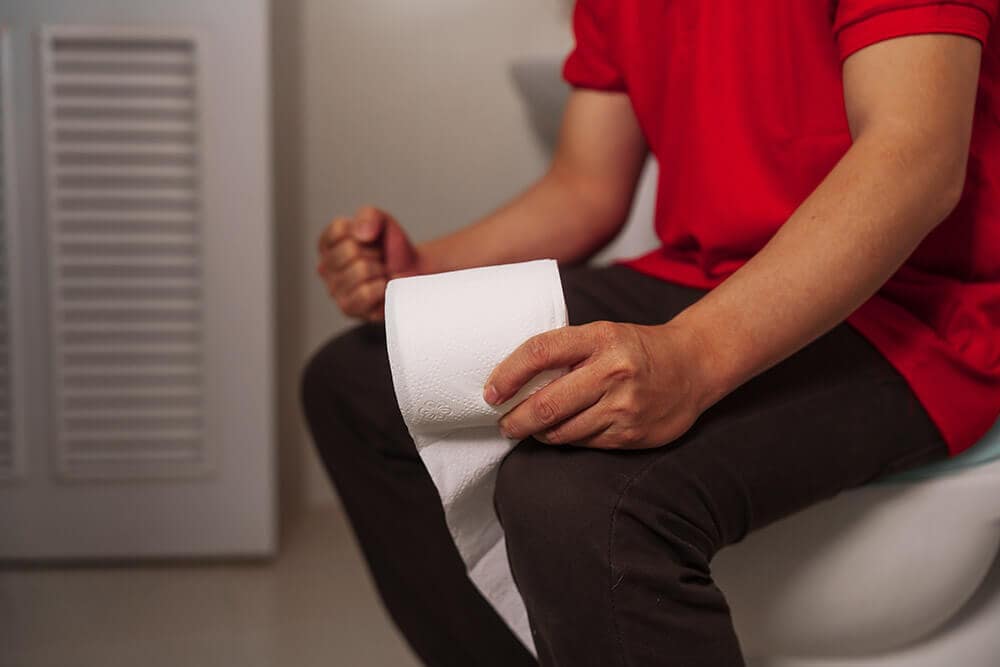
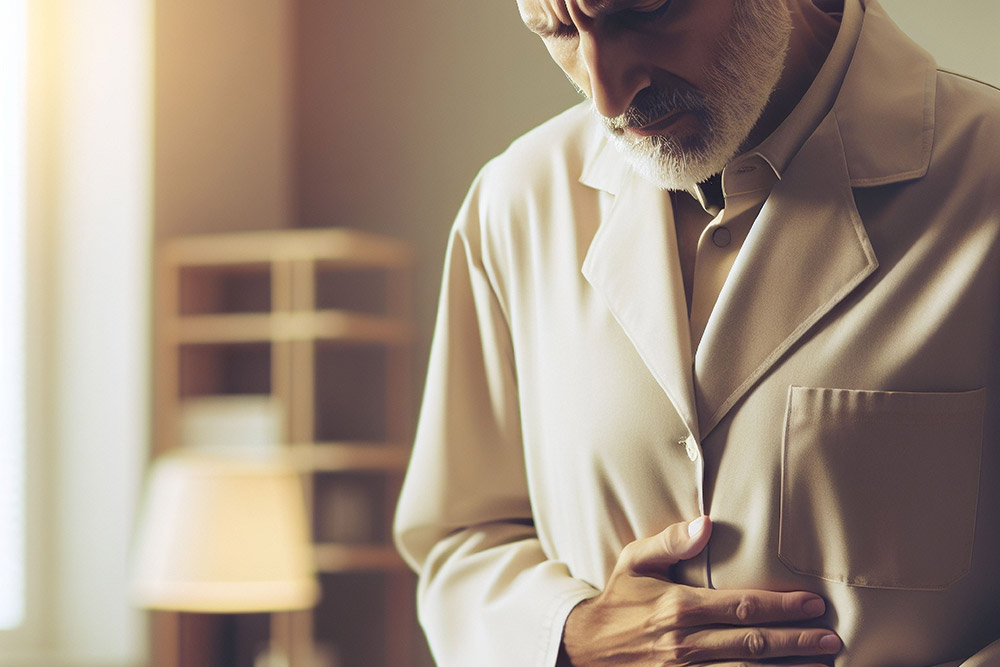
Colitis is inflammation of the large intestine (colon), causing abdominal pain, diarrhea, and sometimes bleeding.
Typical Causes and Risk Factors
- Infections caused by bacteria, viruses, or parasites.
- Autoimmune responses affecting the colon.
- Reduced blood flow to the colon.
- Medications that irritate the gut.
- Family history of inflammatory bowel disease or other bowel conditions.
- High-stress lifestyle.
- Diets high in processed foods.
Signs and Symptoms
- Loose or watery stools, which may contain blood or mucus.
- Abdominal pain or cramping.
- A false sense of urgency to defecate.
- Fatigue or low energy.
- Fever.
- Unintentional weight loss.
Expert Treatment for Colitis by Dr. Bharat Pothuri
Dr. Pothuri is guided by a straightforward step-by-step approach to the diagnosis of colitis:
Medical History & Physical Exam
He starts by examining your symptoms, medical history, lifestyle and risk factors. A physical examination prevents abdominal tenderness or any other inflammation symptoms.
Blood & Stool Tests
- Blood teststo ascertain inflammation, anemia, or immune reactions.
- Stool tests to exclude infection or other causes of colitis-like symptoms.
Colonoscopy with Biopsy
Colonoscopy enables Dr. Pothuri to examine the lining of your colon and to take small samples (biopsies) of the tissue to be sure of the nature and severity of colitis.
Personalized Treatment Plan
He will create a treatment plan based on your condition-answering my most frequently used question that is: -How do GI doctors find and treat colitis?-
What are the initial symptoms of colitis?
Early signs of colitis often include frequent loose bowel movements, abdominal cramps, fatigue, and occasionally blood or mucus in the stool.
Is colitis curable?
In some cases of infectious colitis, the condition resolves with antibiotics or elimination of the underlying pathogen. Chronic forms, such as ulcerative colitis, are managed over a lifetime with medication and lifestyle adjustments.
What are the treatment options of GI doctors for colitis?
Diagnosis typically involves blood tests, stool analysis, and colonoscopy with biopsy. Treatments include dietary changes, anti-inflammatory medications, immune modulators, biologics, and minimally invasive procedures.
Can food help with colitis?
Yes. Following a low-residue or low-fiber diet, staying properly hydrated, and avoiding trigger foods can help reduce symptoms and prevent flare-ups.
Who should I see to consult a GI doctor?
You should consult a gastroenterologist if you experience persistent diarrhea, abdominal pain, rectal bleeding, or unexplained weight loss.
Does Dr. Pothuri implement non-surgical therapies?
Yes. Dr. Pothuri emphasizes medical management, dietary therapy, and minimally invasive endoscopic procedures when needed.
Which GI doctor in Houston is considered the best for colitis?
Dr. Bharat Pothuri is highly regarded by patients due to his board certification, over 15 years of experience, personalized care plans, and gentle approach.