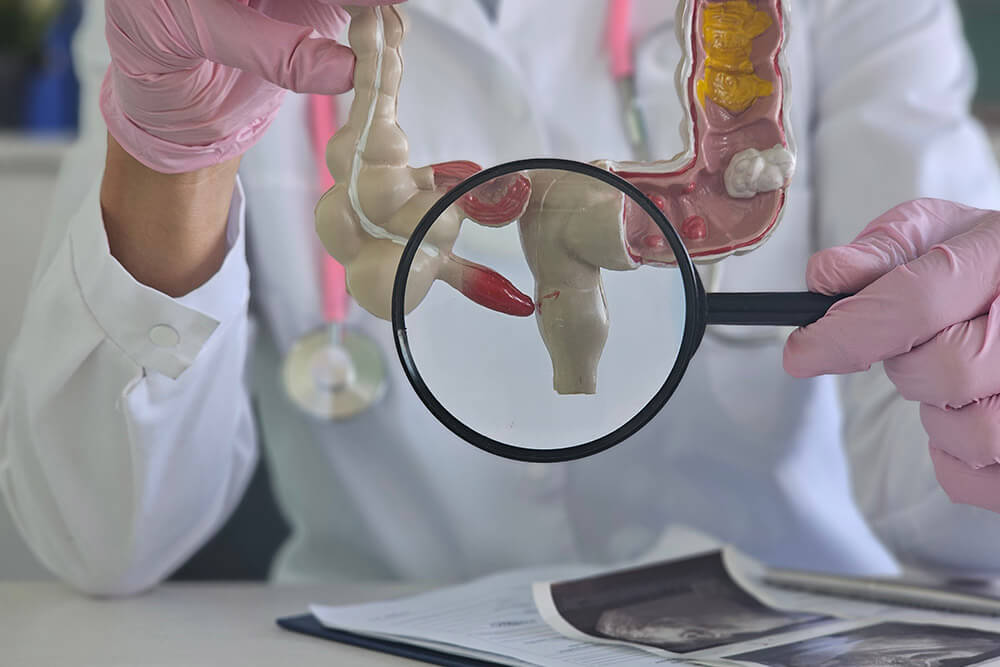
Acute Posthemorrhagic anemia therapeutic issues addressed by Dr. Bharat Pothuri.
The step-by-step approach Dr. Pothuri employs is as follows:
Past medical History and Orthopedic Exam.
He examines recent acute blood loss, the use of blood clotting agents, recent surgery, or traumas, and such symptoms as sudden fatigue, lightheadedness or dizziness, stomach pain.
Blood Tests
- Complete Blood Count (CBC)- measures hemoglobin level, hematocrit, and indices of red cells.
- Reticulocyte Count -tests bone marrow reaction to loss of blood.
- Iron Studies- excludes other forms of anemia and studies the iron stores.
Endoscopic Evaluation
- Upper GI Endoscopy (EGD)- examines the pharynx, stomach and duodenum to detect ulcers, varices, lesions that cause bleeding and stomach pain.
- Colonoscopy -done in case of suspicion of lower GI bleeding.
More complicated Imaging and Procedures.
- CT Angiography or Mesenteric Angiogram -identifies elusive blood loss.
- Capsule Endoscopy -improves upon limited scopes identifying small bowel bleeding.
Follow-Up Monitoring
To monitor the progress of recovery and to customize continuing treatment he follows serial counting of blood and iron.

Frequently Asked Questions
ICD-10 code of acute posthemorrhagic anemia?
Doctors and insurance companies classify acute posthemorrhagic anemia using D62 as its code.
What is the diagnosis of acute post hemorrhagic anemia?
The diagnosis is followed by blood tests (CBC, reticulocytes count, iron), and endoscopy or colonoscopy (in case of necessity) to find bleeding.
What are the common symptoms?
These symptoms are sudden fatigue, fainting or dizziness, a pale color of the skin, a quick heartbeat or low blood pressure, and shortness of breath.
Will diet aid in quicker recoveries?
Yes. Consuming food with high amounts of iron (meat, beans, spinach) and vitamin C (oranges, peppers) aids in the production of red blood cells and iron intake.
When do I enlist the help of the doctor?
Get medical attention immediately you are bleeding a lot, the chest pains, extreme weak, or experiencing some form of shock (dizziness, fainting).
Should I be required to have a blood transfusion?
Not always. An ordered transfusion is based on the level of hemoglobin, the general number of red blood cells, as well as the degree of the symptoms.
What is the average duration of recovery?
The majority of individuals begin to improve in a few days and it takes full recovery in a number of weeks which varies according to the extent of blood loss.