Acute Pancreatitis Treatment by Expert Bharat Pothuri.
In a gradual manner, Dr. Pothuri works:
Medical History and Exam
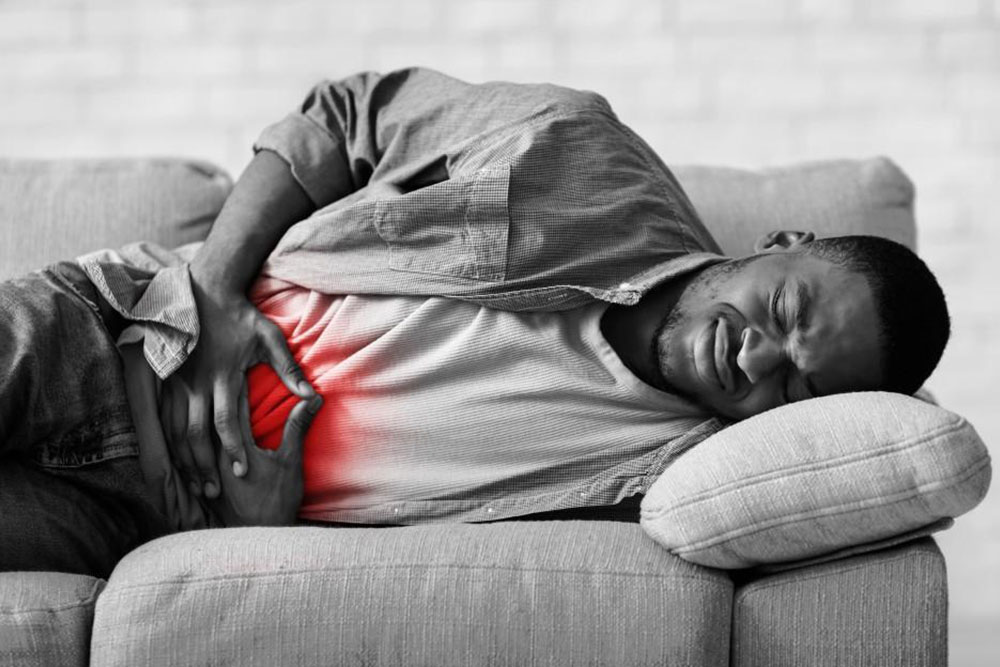
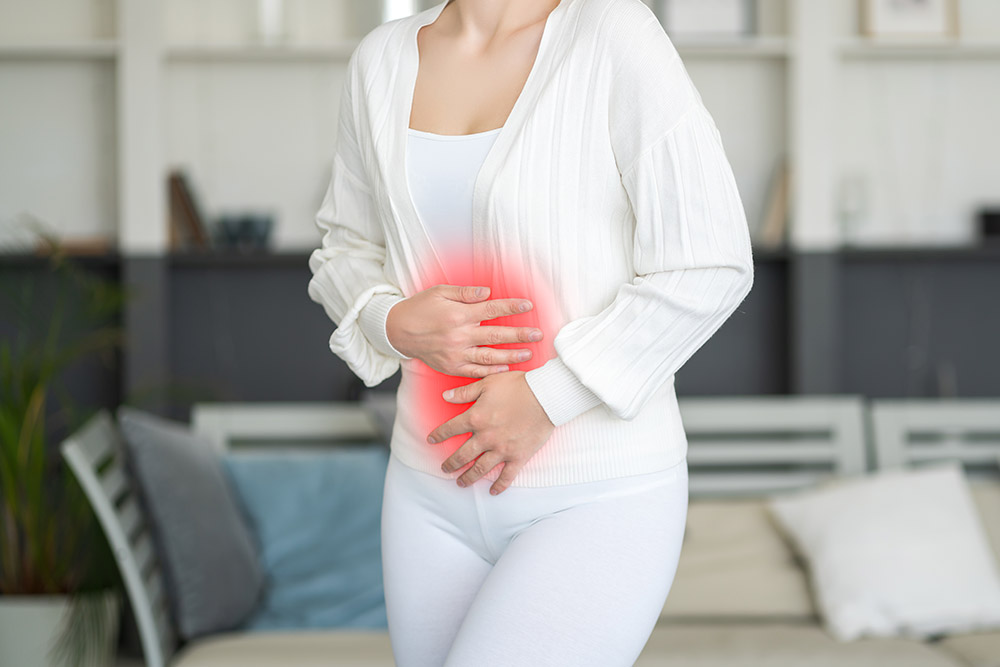
He examines your epigastric pain-when it started, where, how often-and alcohol intake, history of gallstones, drugs and other predisposing factors. Diluted abdominal examination examines the presence of tenderness, guarding, and distension.
Blood Tests
Serum amylase and lipase are measured to ensure that the pancreas is inflamed. Other tests such as liver tests, triglyceride, and complete blood count are also in a bid to determine the severity and eliminate any other possible causes.
Imaging Studies
- The ultrasound of the abdomen identifies the gallstones, swollen bile, and pancreatic edema.
- Contrast-enhanced CT scan can assess the degree of inflammation, necrosis as well as peripancreatic fluid collections.
- Endoscopic ultrasound (EUS) has the advantage of providing images of high resolution to localize small stones or subtle alterations in ducts.
Advanced Testing (if needed)
MRCP (magnetic resonance cholangiopancreatography) is a noninvasive test of the biliary and the pancreatic ducts. ERCP (endoscopic retrograde cholangiopancreatography) is utilized in other special conditions, to either clear obstructing stones or insert stents.

Frequently Asked Questions
What is the etiology of acute pancreatitis?
Blockage of the pancreas by gallstones, excessive alcohol intake, excessive triglycerides, medications, or infections or genetic predispositions.
What is the difference between acute pancreatitis and chronic pancreatitis?
Acute pancreatitis is not gradual and can become cured after medication. The pancreatitis is chronic, is irreversible, and recurrent.
Are acutely pancreatic patients completely healed?
Yes. Majority of the patients can be fully cured with immediate treatment although some critical cases may take more time until they are released and given aftercare.
When acute pancreatitis- when to visit the ER?
Emergency cases should be considered in the case of severe abdominal pain, incessant vomiting, inability to retain fluids, dehydration, and a high fever.
Is acute pancreatitis preventable?
Often yes. Limit alcohol intake, address blood triglycerides, gallstones, exercise a healthy body weight, and adhere to medical recommendations.
What are the phases of acute pancreatitis?
It is grouped into four phases with mild inflammation and fluid accumulation at one end and severe necrosis and systemic complications at the other to direct treatment by physicians.