
Our clinic is well equipped in the ERCP to detect and excise choledocholithiasis to restore the bile flow.
Read More






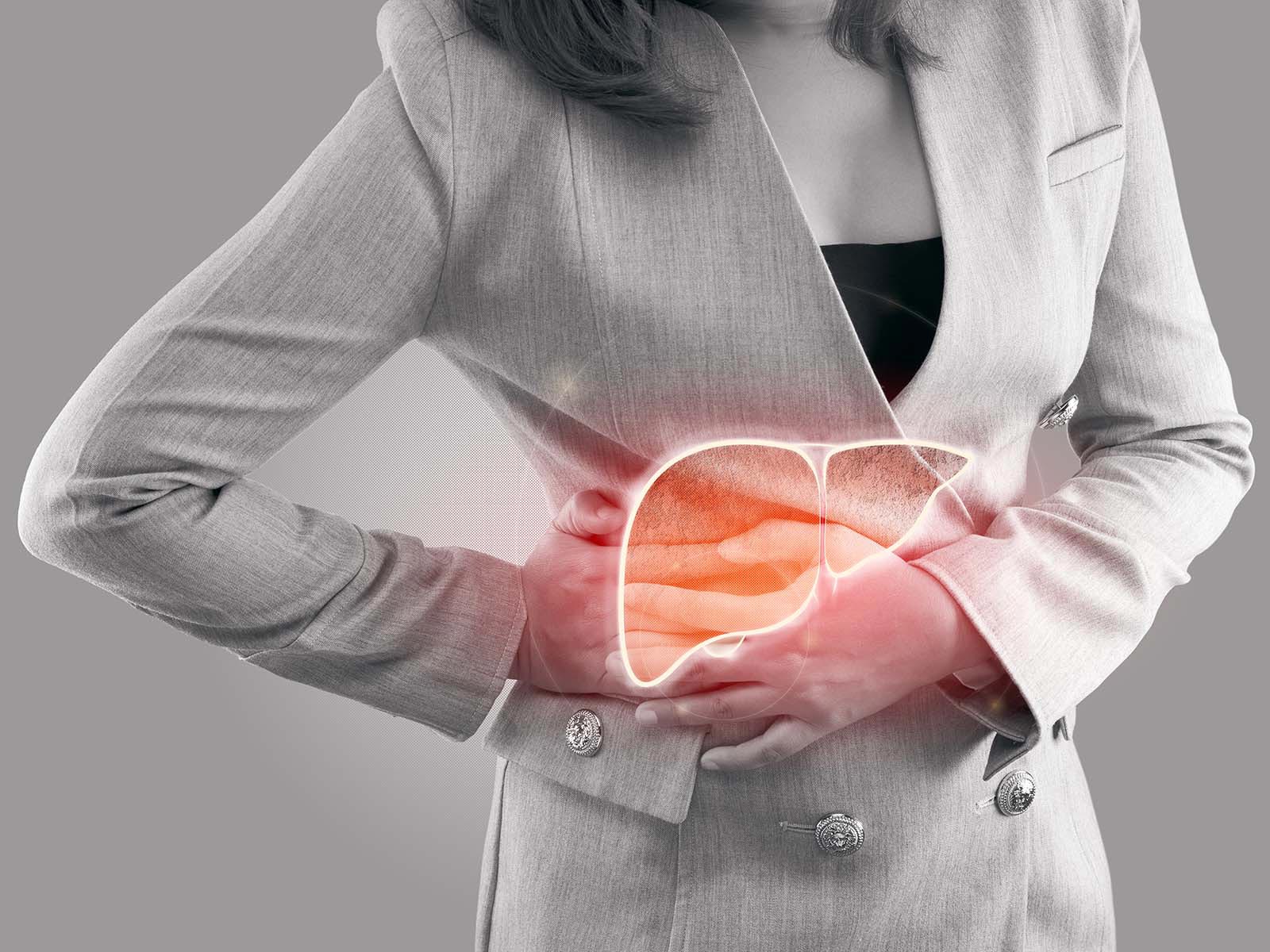
Our clinic is well equipped in the ERCP to detect and excise choledocholithiasis to restore the bile flow.
Read More
In our ultrasound service, it detects/manages the amount of cholesterol deposits in the gallbladder that is personalized and controlled to achieve a better health.
Read More
Nursing intervention and practice to reduce chronic, idiopathic constipation, increase comfort, and bowel regularity.
Read More
Our long term pancreatitis clinic provides individual care, professional care and compassionate care in a bid to manage the pains.
Read More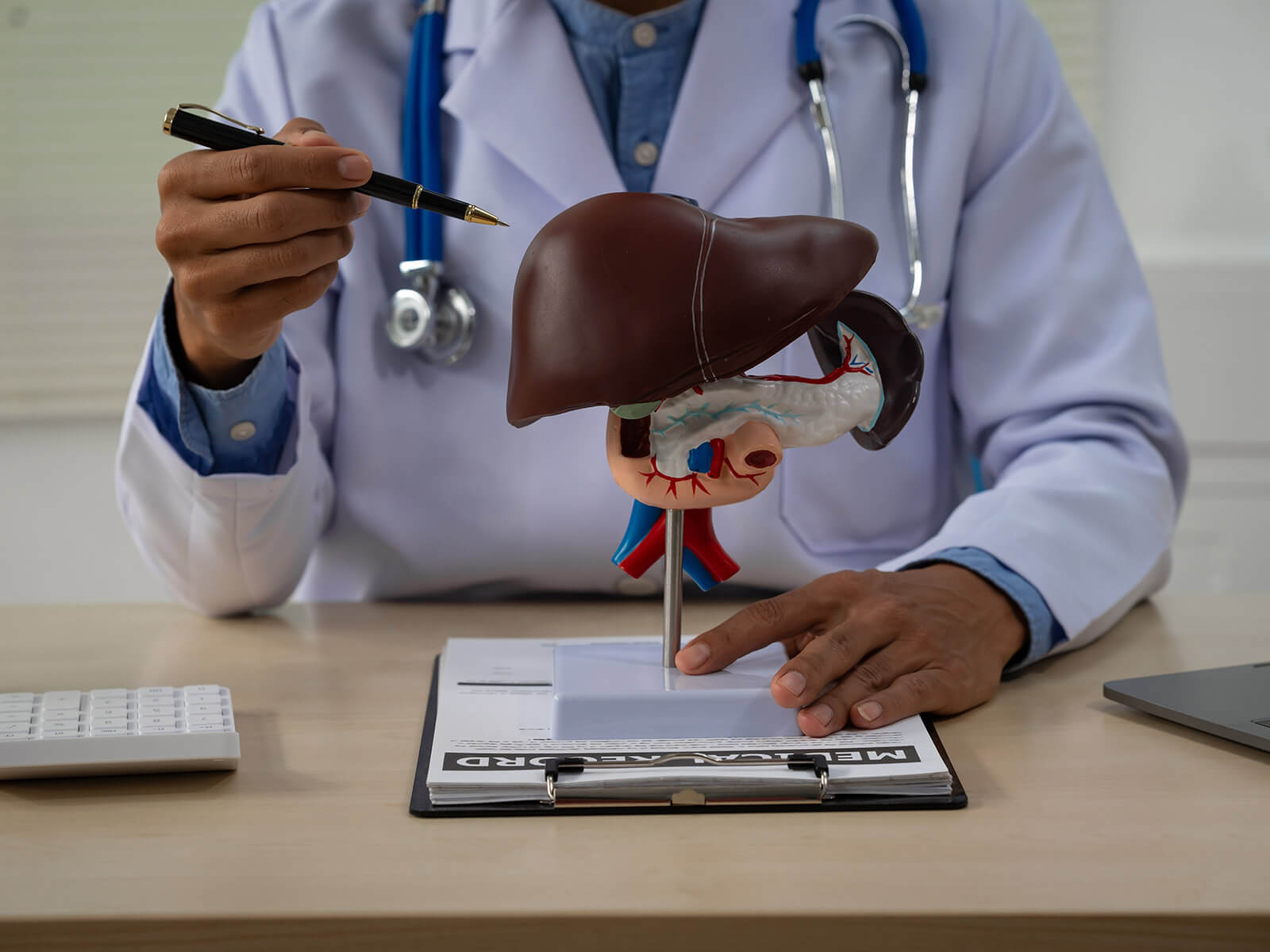
Our cirrhosis program is a specialized treatment program that includes of tailor made treatment programs, specialized care coordination and patient education.
Read More
Ampulary Adenocarcinoma total care consisting of early diagnosis and professional designed and life long care to the patient.
Read More
Personalised treatment strategies aimed at the alleviation of symptoms and enhancement of life, along with holistic and empathetic diagnosis of colitis.
Read More
Collagenous Colitis evaluation offers accurate diagnosis and personalized treatment plans to relieve persistent watery diarrhea.
Read More
We comprise of highly qualified specialists in the diagnosis and the minimal invasive cure of colon angioectasias in an attempt to improve health.
Read More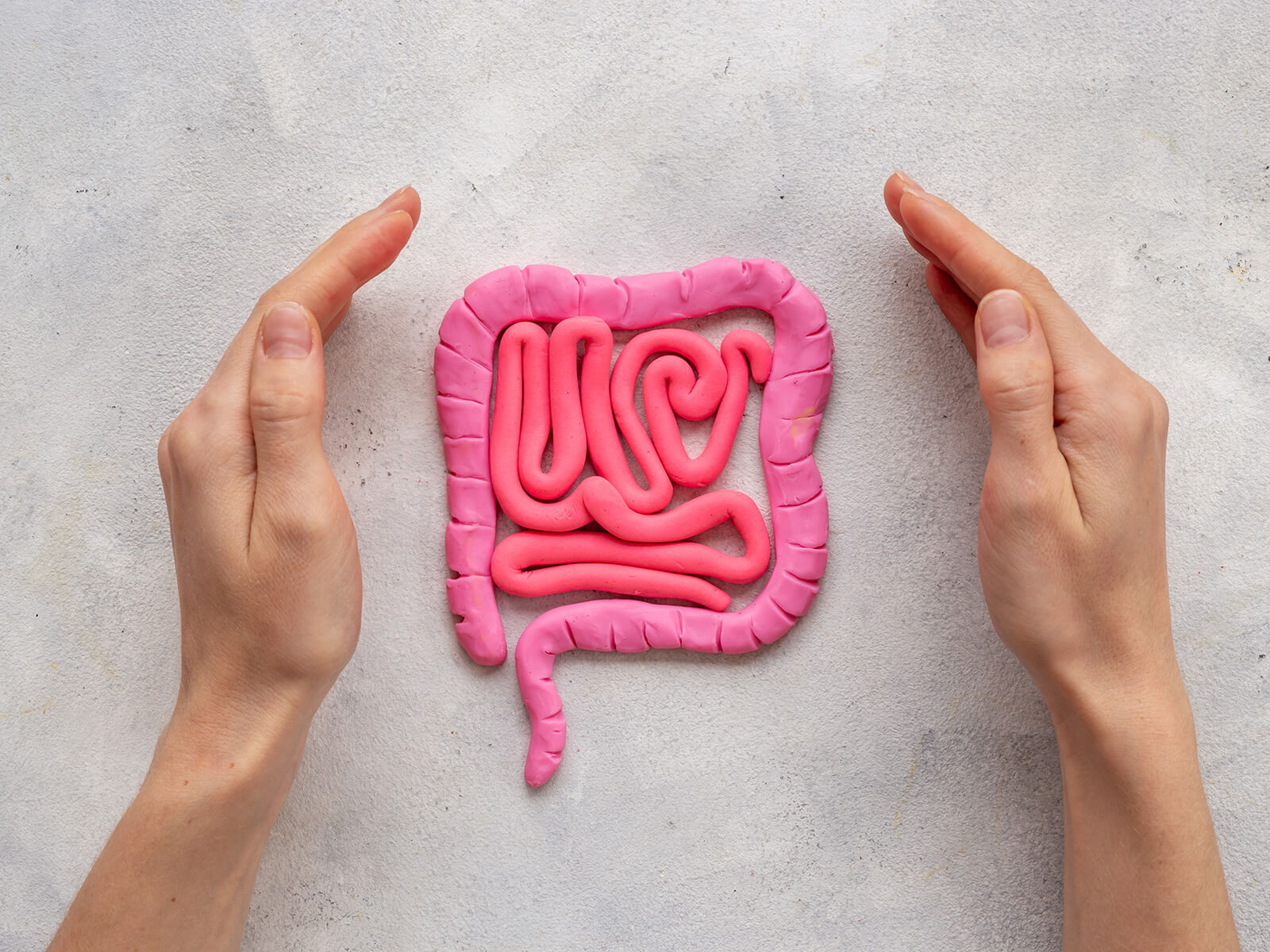
A painless correct test that can help save your health with a personalized follow-up is colon cancer screening service.
Read MoreGastrointestinal (GI) conditions include acid reflux (GERD), irritable bowel syndrome (IBS), Crohn’s disease, ulcerative colitis, celiac disease, constipation, diarrhea, and more. Our specialists diagnose and treat a wide range of digestive disorders.
If you experience frequent symptoms such as bloating, abdominal pain, acid reflux, constipation, or diarrhea, it’s recommended to see a gastroenterologist for evaluation and diagnosis.
You should consult a gastroenterologist if you experience persistent digestive issues, blood in stool, unexplained weight loss, severe abdominal pain, or difficulty swallowing.
Common diagnostic procedures include endoscopy, colonoscopy, stool tests, breath tests, imaging scans (CT/MRI), and lab work to assess digestive function.
Some GI conditions, like Crohn’s disease, ulcerative colitis, and celiac disease, have genetic components, meaning they can run in families. However, environmental and lifestyle factors also play a role.
Maintaining a healthy diet, staying hydrated, exercising regularly, managing stress, and avoiding smoking and excessive alcohol consumption can help prevent digestive issues.