
GERD management is our service that is our own approach to managing the symptoms or in other words, reducing the heartburn, easing the digestion process, and enhancing the overall quality of life.
Read More







GERD management is our service that is our own approach to managing the symptoms or in other words, reducing the heartburn, easing the digestion process, and enhancing the overall quality of life.
Read More
Our gastroparesis service provides care-based on-to-one-on-one-diagnostics, nutritional counseling, and advanced therapy to normalize the stomach motility.
Read More
Symptom-free and restorative digestive well-being and case intestinal granulomas is treated and screened specifically.
Read More
One of the services that have made us realize the right and appropriate time results to facilitate efficient diagnosis and therapeutic intervention is our Helicobacter pylori test.
Read More
The test service of Hemochromatosis is capable of early identification of an iron overload in the heredity hence control and safeguard the organs.
Read More
We offer early evaluation and less invasive treatment of anorectal bleeding, which ensures the recovery and health.
Read More
The treatment of hemorrhoids that we will do in the future is not surgical and would entail minimal hemorrhoid pain and treatment implying that you will be healed very fast.
Read More
Effective comprehensive management of the hepatic encephalopathy includes special diagnosis, treatment, and nurturing help, which is aimed at improving the brain functioning.
Read More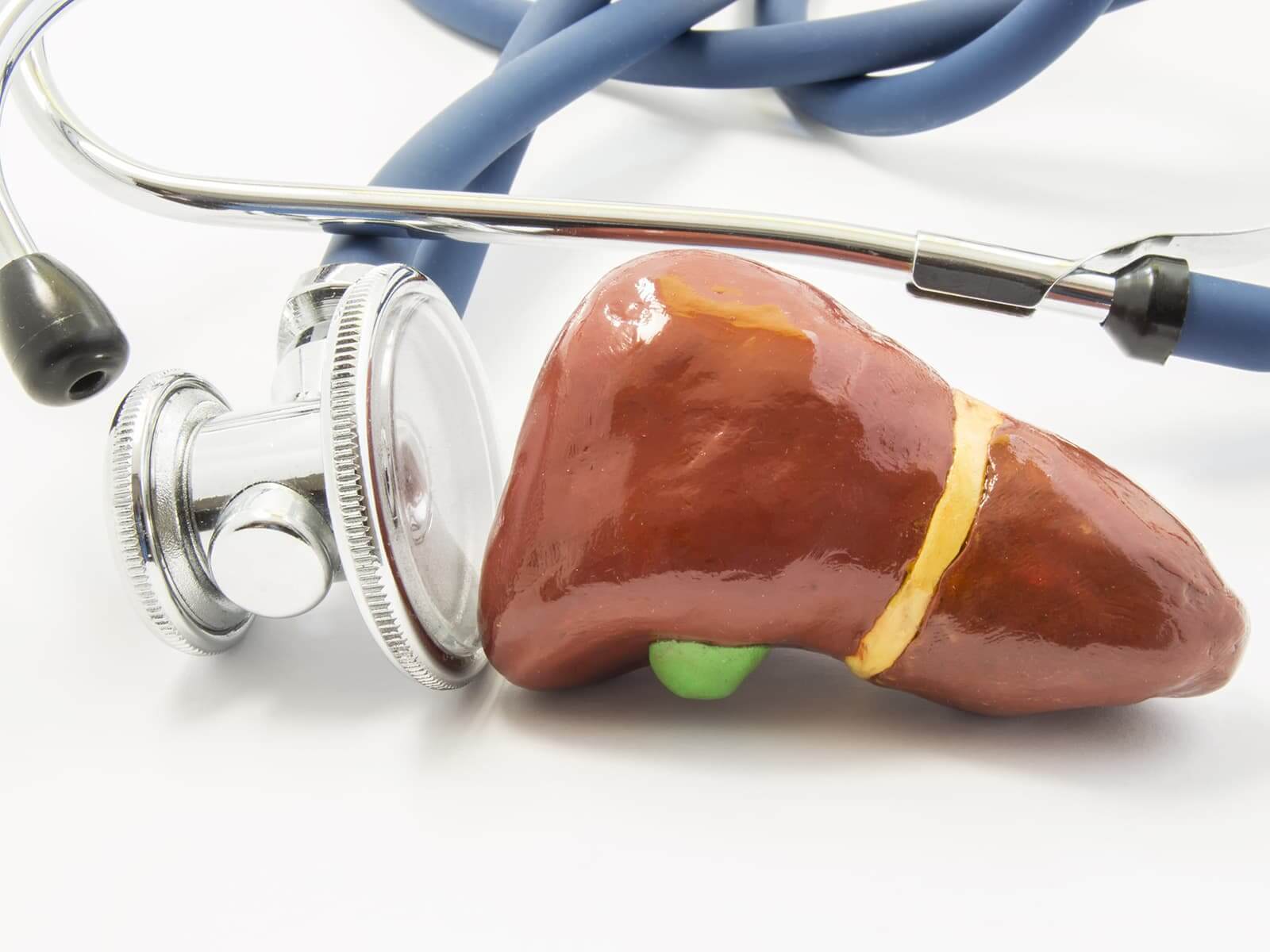
We provide our hepatic fibrosis service in order to provide liver testing and personalized care to attain an optimal health.
Read More
We also offer easy access to Hepatitis A vaccination services that are healthy and safe immunizations against hepatitis that are severe.
Read MoreGastrointestinal (GI) conditions include acid reflux (GERD), irritable bowel syndrome (IBS), Crohn’s disease, ulcerative colitis, celiac disease, constipation, diarrhea, and more. Our specialists diagnose and treat a wide range of digestive disorders.
If you experience frequent symptoms such as bloating, abdominal pain, acid reflux, constipation, or diarrhea, it’s recommended to see a gastroenterologist for evaluation and diagnosis.
You should consult a gastroenterologist if you experience persistent digestive issues, blood in stool, unexplained weight loss, severe abdominal pain, or difficulty swallowing.
Common diagnostic procedures include endoscopy, colonoscopy, stool tests, breath tests, imaging scans (CT/MRI), and lab work to assess digestive function.
Some GI conditions, like Crohn’s disease, ulcerative colitis, and celiac disease, have genetic components, meaning they can run in families. However, environmental and lifestyle factors also play a role.
Maintaining a healthy diet, staying hydrated, exercising regularly, managing stress, and avoiding smoking and excessive alcohol consumption can help prevent digestive issues.