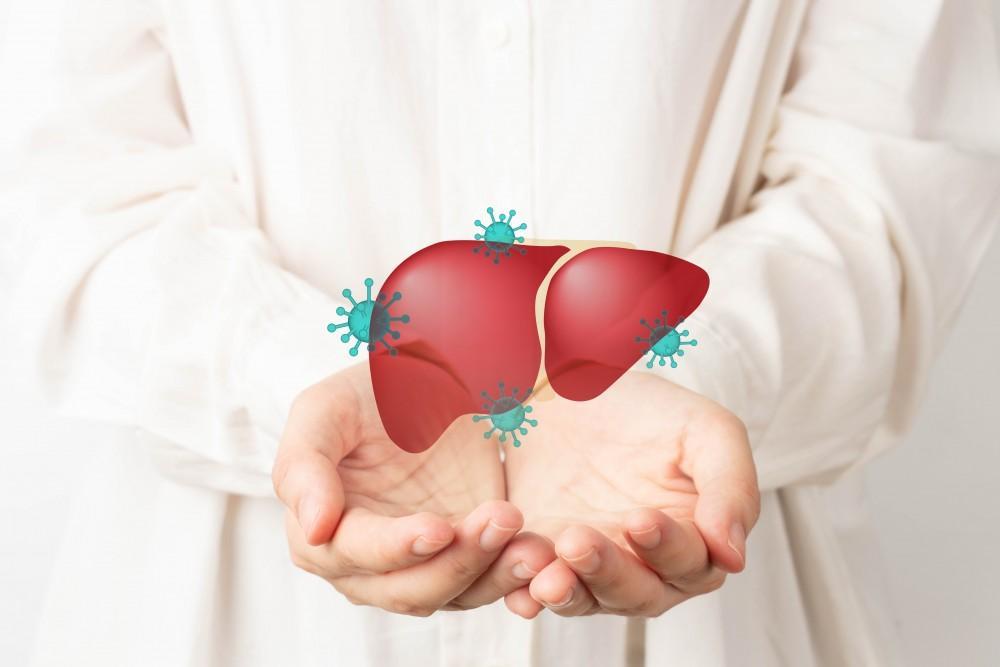







Noticing yellow skin or yellowing of the eyes can be alarming. Many people immediately wonder whether it could be related to hepatitis or another liver condition.
This yellow discoloration is known as jaundice, and it often signals that the liver may not be processing bilirubin properly. Bilirubin is a yellow pigment produced when the body breaks down red blood cells.
When bilirubin builds up in the bloodstream, it can cause the skin and the whites of the eyes to appear yellow.
While jaundice can have several causes, hepatitis is one of the most common reasons doctors investigate when this symptom appears. Residents of Jersey Village, TX who notice yellowing of the skin or eyes should pay close attention to additional symptoms and consider evaluation by a digestive specialist.
Can yellow skin and eyes mean hepatitis?
Yes. Yellow skin and eyes, known as jaundice, can be a sign of hepatitis or other liver problems. Jaundice occurs when bilirubin builds up in the blood due to impaired liver function. Hepatitis causes inflammation in the liver, which may interfere with the liver’s ability to process bilirubin. Anyone experiencing jaundice should seek medical evaluation to determine the underlying cause.
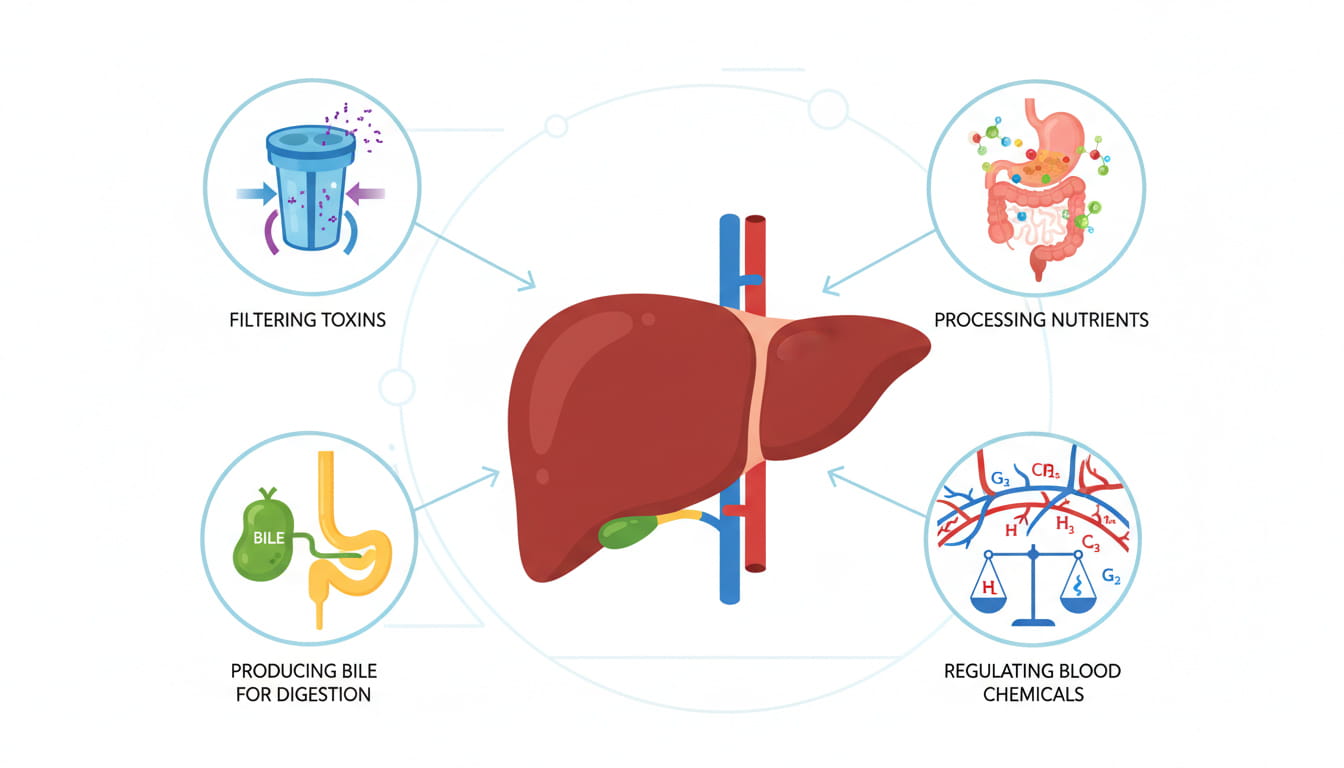
Hepatitis refers to inflammation of the liver. The liver plays a critical role in:
When the liver becomes inflamed, its ability to function normally may be disrupted. Several types of hepatitis exist, including viral forms such as hepatitis A, B, and C. These conditions affect millions of people worldwide.
Inflammation of the liver can lead to a range of symptoms, including jaundice.
Jaundice occurs when the liver cannot process bilirubin efficiently. Under normal conditions:
When hepatitis inflames the liver, this process may slow down. As a result, bilirubin builds up in the bloodstream, causing yellow discoloration in the skin and eyes.
Jaundice is often a later symptom of liver inflammation. Before yellowing appears, people may experience early warning signs. Common early symptoms include:
Because these symptoms are non-specific, many people initially assume they are experiencing a minor illness.
When jaundice develops due to liver inflammation, additional symptoms may appear. These can include:
Urine may appear darker than usual due to excess bilirubin.
Reduced bile flow can affect stool color.
Bilirubin buildup may cause skin irritation.
Pain or fullness may occur in the upper right abdomen where the liver is located.
People with liver inflammation often report persistent tiredness.
If these symptoms appear along with yellow skin or eyes, evaluation is important.
Hepatitis can develop for several reasons. The most common causes include:
Because multiple causes exist, proper diagnosis is essential.
Jaundice should never be ignored. People should seek medical evaluation if they notice:
These symptoms may indicate underlying liver dysfunction. Early evaluation helps identify the cause and prevent complications.
Doctors begin by reviewing symptoms and medical history. They may ask questions about:
A physical examination often focuses on the abdomen and liver region. Doctors also evaluate the eyes and skin for signs of jaundice.
Additional tests may be used to evaluate liver health and determine the cause of symptoms. Clinics serving Jersey Village, TX use modern diagnostic tools to assess liver function and identify potential causes of jaundice.
Although hepatitis is a major cause of jaundice, other conditions may also produce yellow discoloration. Possible causes include:
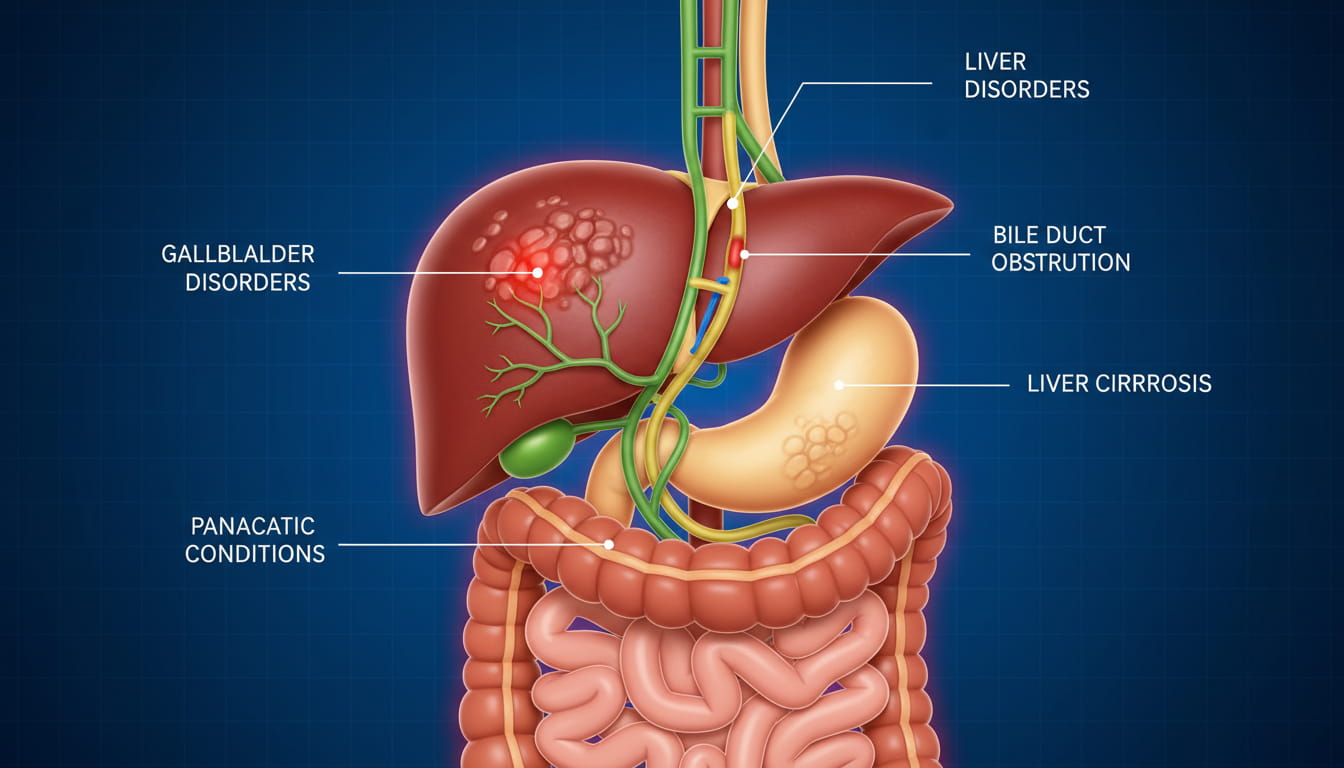
Because several conditions may cause jaundice, medical evaluation is necessary to determine the underlying problem.
Liver health is an important aspect of overall digestive wellness. Residents of Jersey Village, TX who notice symptoms such as jaundice, fatigue, or abdominal discomfort should consider evaluation by a digestive specialist.
Clinics such as GastroDoxs provide digestive health assessments that help identify potential liver conditions and guide patients toward appropriate care. Early awareness and evaluation help protect long-term liver health.
Yellow skin and eyes may be a sign of liver inflammation. Important points include:
Dr. Bharat Pothuri is a Board-Certified Gastroenterologist and Hepatologist. With extensive experience in digestive health, he specializes in advanced endoscopic procedures, chronic GI disorder management, and preventive care. Dr. Pothuri is dedicated to providing expert, patient-focused insights to help improve gut health and overall well-being.
Yellow skin and eyes are signs of jaundice, a condition caused by elevated bilirubin levels in the blood. Jaundice often indicates a problem with liver function.
Yes. Hepatitis can interfere with the liver’s ability to process bilirubin, leading to jaundice and yellow discoloration of the eyes.
Not always. While liver conditions commonly cause jaundice, other disorders affecting the gallbladder, bile ducts, or blood cells may also lead to yellow skin.
Early symptoms may include fatigue, nausea, abdominal discomfort, and loss of appetite before jaundice appears.
Jaundice should always be evaluated by a healthcare professional because it may indicate liver dysfunction or other serious conditions.
Doctors typically diagnose hepatitis through symptom evaluation, medical history, and tests that assess liver health.
Yes. Some forms of hepatitis may remain silent for months or years before symptoms appear.
Dark urine can occur when bilirubin levels rise in the bloodstream due to liver inflammation.
Anyone experiencing yellowing of the eyes or skin should seek medical evaluation promptly to determine the underlying cause.
In some cases, jaundice resolves once the underlying cause improves. However, medical evaluation is necessary to determine the reason for the symptom.