






Right side abdominal pain can be a cause of concern as it may indicate various underlying conditions that require immediate medical attention. This type of pain can range from mild discomfort to severe, sharp pain, and it can be associated with several organs and structures in the abdomen, such as the liver, gallbladder, appendix, and intestines. Understanding the cause of right side abdominal pain is essential for determining the proper course of treatment.
In this comprehensive blog, we will explore the common causes of right side abdominal pain, what each condition entails, symptoms to watch out for, and when to seek medical attention. We’ll also cover treatment options and ways to prevent abdominal pain from occurring. Whether the pain is occasional or persistent, this guide will help you identify potential issues and take the right steps for recovery.
Pain on the right side of the abdomen can be caused by several conditions, some of which are digestive, while others may be related to reproductive or urinary issues. Below are some of the most common causes of right side abdominal pain:
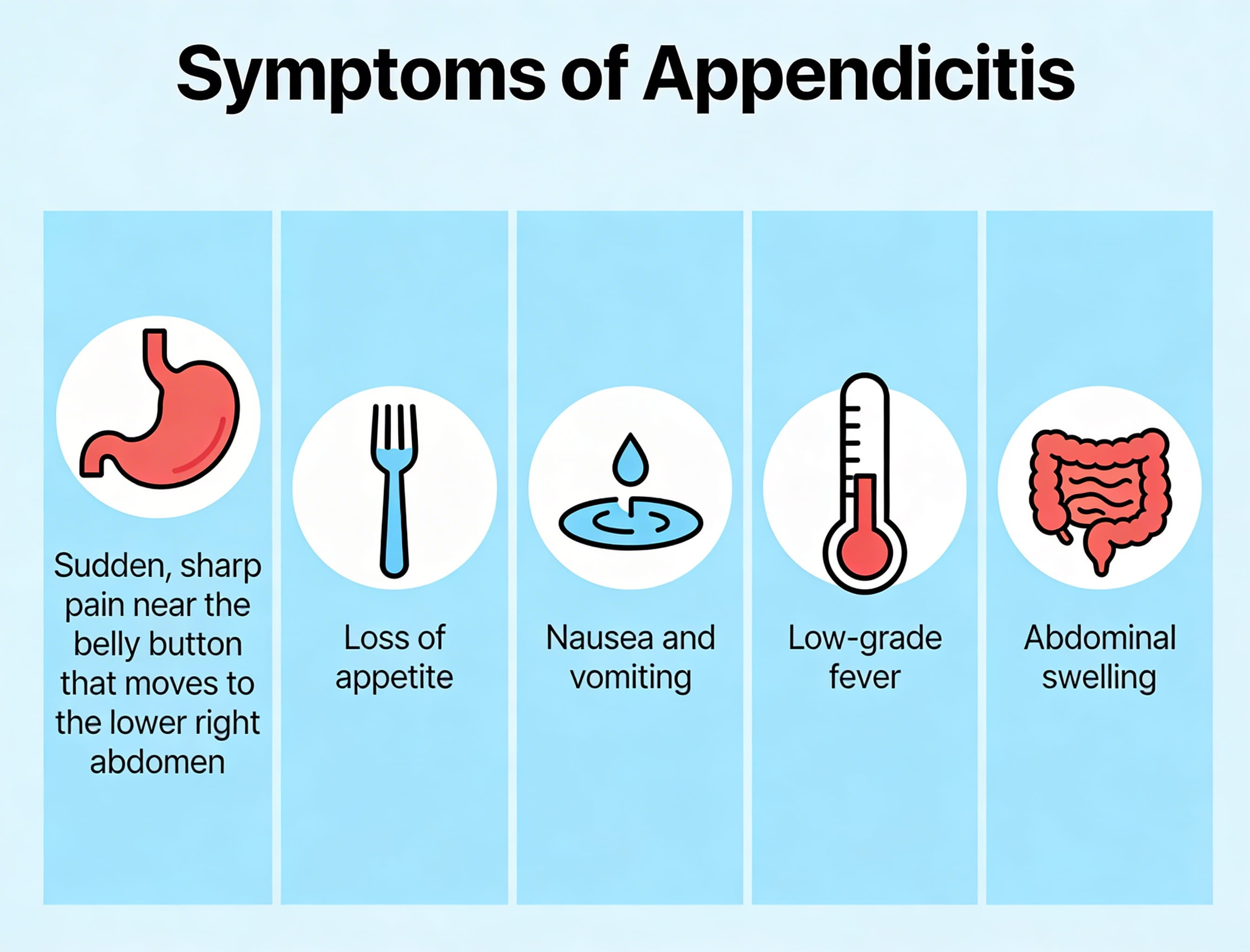
Appendicitis is one of the most well-known causes of right side abdominal pain. The appendix is a small, tube-like structure located in the lower right abdomen. When the appendix becomes inflamed, it can cause intense pain that starts near the belly button and then shifts to the lower right side.
Appendicitis is considered a medical emergency and requires immediate treatment, typically in the form of surgery to remove the appendix (appendectomy).
Symptoms of Appendicitis:
If you experience sudden pain that worsens over time and is accompanied by fever or nausea, you should seek medical attention immediately.
Gallstones are solid particles that form in the gallbladder, a small organ under the liver. Gallstones can block the bile ducts, leading to sharp pain in the upper right abdomen, especially after consuming fatty foods. The pain associated with gallstones is typically sudden and severe, often referred to as a gallbladder attack.
Gallstones can lead to cholecystitis, an inflammation of the gallbladder, which is often treated with surgery to remove the gallbladder (cholecystectomy).
Symptoms of Gallstones:
If you experience intense pain after eating greasy or fatty foods, it could be related to gallstones. If the pain persists, it’s essential to seek medical care.
The liver is located in the upper right side of the abdomen, so issues with the liver can cause discomfort in this area. Conditions like hepatitis, fatty liver disease, and cirrhosis can lead to inflammation or enlargement of the liver, causing dull, aching pain on the right side of the abdomen.
Liver problems often don’t cause sudden, sharp pain, but rather a consistent discomfort in the upper right side. If the liver becomes severely enlarged, it can press on nearby organs, contributing to the pain.
Symptoms of Liver Issues:
If you suspect a liver issue, it’s crucial to consult a doctor for blood tests and imaging, such as an ultrasound or CT scan.
Although kidney stones typically cause pain in the lower back or flank, they can also cause pain in the right side of the abdomen if a stone is located in the right kidney or ureter. Kidney stones are hard deposits of minerals and salts that form inside the kidneys and can cause sudden, severe pain when they move through the urinary tract.
Symptoms of Kidney Stones:
Kidney stones can often pass on their own, but larger stones may require medical intervention, such as shockwave therapy or surgery.
For women, ovarian cysts can lead to lower abdominal pain on the right side if the cyst forms on the right ovary. Ovarian cysts are fluid-filled sacs that develop on the ovaries. In most cases, ovarian cysts are harmless and don’t cause symptoms, but when they grow large or rupture, they can cause sudden, sharp pain.
Symptoms of Ovarian Cysts:
In severe cases, when an ovarian cyst ruptures or twists, it may require surgery. Regular monitoring with ultrasound is typically recommended.
A hernia occurs when part of an organ or fatty tissue pushes through a weak spot in the abdominal wall. Inguinal hernias, which occur in the groin area, can cause pain on the right side of the abdomen if the intestines push through the abdominal muscles. Hernias can cause pain that worsens with lifting, coughing, or straining.
Symptoms of a Hernia:
If a hernia becomes incarcerated (where the blood supply is cut off), it can become a medical emergency that requires surgery.
Diverticulitis occurs when small pouches (diverticula) in the colon become inflamed or infected. While diverticulitis typically affects the left side of the abdomen, it can occasionally cause pain on the right side, particularly in individuals with right-sided diverticulitis. The inflammation can cause severe pain and tenderness in the affected area.
Symptoms of Diverticulitis:
Diverticulitis requires treatment with antibiotics, and in severe cases, surgery may be needed to remove the affected portion of the colon.
While some causes of right side abdominal pain are not serious, there are certain situations when it’s important to seek medical attention:
If you experience any of these symptoms, it’s essential to seek medical care immediately, as they may indicate a more serious condition like appendicitis, gallstones, or liver disease.
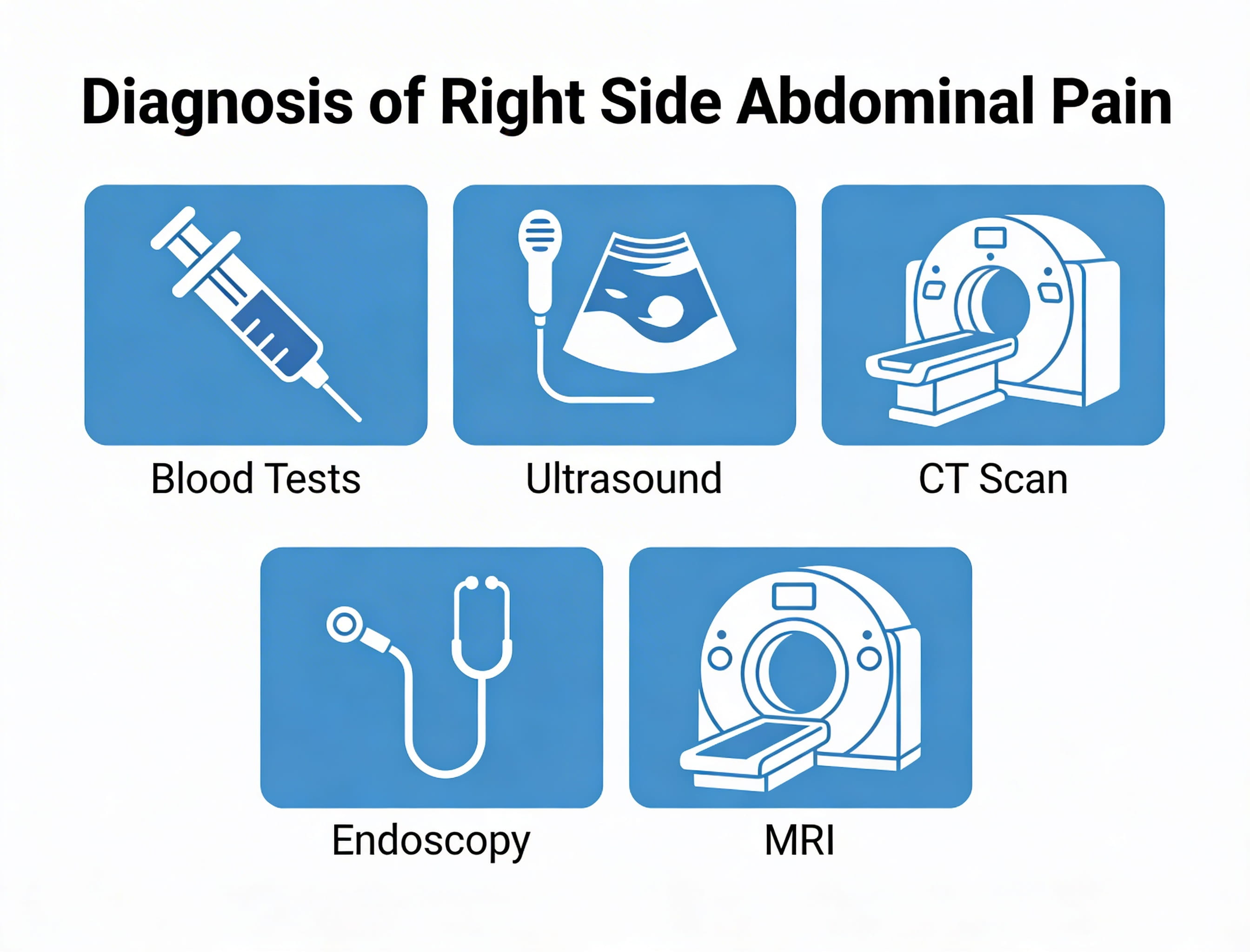
To diagnose the cause of right side abdominal pain, a doctor will typically perform a physical examination and ask about your symptoms, medical history, and lifestyle. They may recommend several tests, including:
Blood tests can check for signs of infection, liver or kidney function, or imbalances that could indicate conditions like gallstones or appendicitis.
An ultrasound can provide images of the gallbladder, liver, kidneys, and ovaries, helping to identify conditions like gallstones, kidney stones, or ovarian cysts.
A CT scan provides detailed images of the abdominal organs and can help diagnose conditions like appendicitis, diverticulitis, or intestinal blockages.
Endoscopy involves inserting a small tube with a camera into the digestive tract to check for ulcers, gastritis, or other issues in the stomach and intestines.
MRI scans can be used to get detailed images of the liver, pancreas, and gallbladder to help diagnose conditions related to liver disease or pancreatitis.
The treatment for right side abdominal pain depends on the underlying cause. Here are some common treatment approaches:
Dr. Bharat Pothuri is a Board-Certified Gastroenterologist and Hepatologist. With extensive experience in digestive health, he specializes in advanced endoscopic procedures, chronic GI disorder management, and preventive care. Dr. Pothuri is dedicated to providing expert, patient-focused insights to help improve gut health and overall well-being.
Right side abdominal pain can be caused by appendicitis, gallstones, ovarian cysts, liver issues, hernia, or diverticulitis.
If the pain is severe, persistent, or accompanied by fever, vomiting, or blood in the stool, it’s important to seek medical attention immediately.
Yes. Gallstones can cause severe pain in the upper right abdomen, especially after eating fatty meals.
Appendicitis typically causes sudden pain near the belly button that shifts to the lower right abdomen, along with nausea, vomiting, and fever.
Yes. A hernia can cause pain or discomfort in the right side of the abdomen, especially when lifting or straining.
Yes. Liver issues like fatty liver or cirrhosis can cause dull, aching pain in the upper right abdomen.
Seek immediate medical attention, especially if the pain is sudden, severe, or accompanied by other symptoms like vomiting or fever.
Yes. Ovarian cysts on the right ovary can cause sharp pain in the lower right abdomen, especially if the cyst ruptures or twists.
Doctors typically diagnose right side abdominal pain through physical exams, blood tests, ultrasounds, CT scans, or MRIs.
Treatment varies depending on the cause but may include antibiotics, pain relievers, surgery, or dietary adjustments.