





Fatty liver disease (FLD) is a disease that is very serious and has been widely neglected among millions of Americans. The area in which the status of raising awareness about the causes, dangers, and treatment of fatty liver disease is on the rise is Cypress, TX, and the necessity to educate the population on the matter is paramount to the future of the healthy population. This is a disease that is related to the accumulation of fat within the liver resulting in the impairment in the functioning of the liver. It is normally linked with obesity, diabetes and high cholesterol but can be triggered by other lifestyles and genetic factors as well.
This blog will discuss the fatty liver disease, the symptoms, causes, and treatments of the disease. We will also answer some of the commonly posed questions on which doctors and hospitals to be treated in Cypress, TX are the best.
Fatty liver disease is a disease that happens as a result of excess storage of fats in the liver cells which surpasses the normal limit of the liver to hold it. This condition can have two broad categories:
NAFLD and AFLD are not identical, but they are similar in their symptoms and risks that comprise liver inflammation, scarring (cirrhosis), and high risk of developing liver cancer.

Fatty liver disease may not manifest any symptoms at the early stages and therefore it is hard to diagnose. However, in the future, the condition can be characterized by the following signs and symptoms:
Considering the possibility of any of these symptoms, it is especially important to see a doctor. The fatty liver disease can be prevented and treated through early diagnosis and treatment.
There is a possibility to increase the risk of the development of fatty liver disease due to the presence of the following factors:
The diagnosis of fatty liver disease can be made as following:
Recent advances in the treatment of fatty liver disease focus on managing underlying conditions like obesity and diabetes. Here are some of the new and emerging treatment options:

In rare cases, if fatty liver disease progresses to cirrhosis or liver failure, a liver transplant may be required. Fortunately, this is a last-resort treatment, and early intervention can prevent the need for a transplant.
Fatty liver disease is a manageable condition if diagnosed and treated early. In Cypress, TX, the focus is on prevention, lifestyle changes, and specialized care from gastroenterologists and hepatologists. If you or someone you know is dealing with fatty liver disease, seek the expert care of Dr. Bharat Pothuri and the team at GastroDoxs. Early intervention can help prevent further liver damage and improve your quality of life. For more information or to schedule an appointment with a liver specialist in Cypress, TX, visit GastroDoxs today.
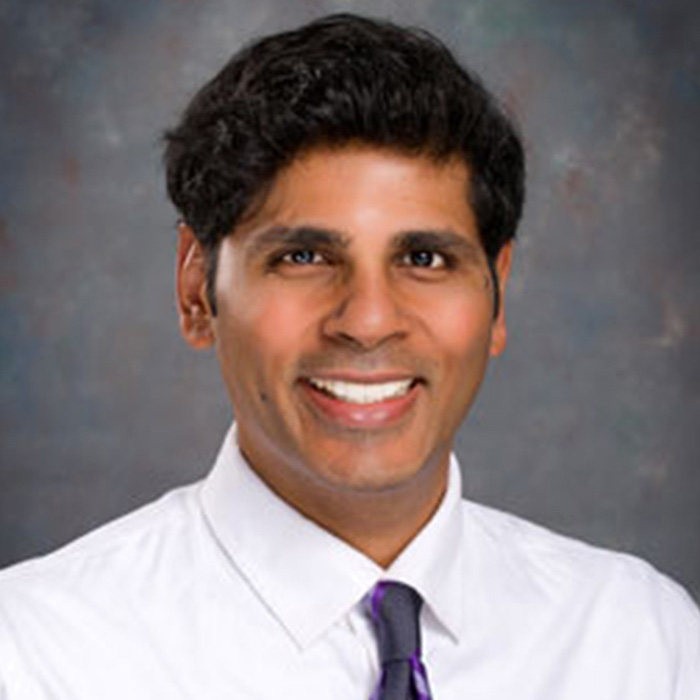
Dr. Bharat Pothuri is a Board-Certified Gastroenterologist and Hepatologist. With extensive experience in digestive health, he specializes in advanced endoscopic procedures, chronic GI disorder management, and preventive care. Dr. Pothuri is dedicated to providing expert, patient-focused insights to help improve gut health and overall well-being.
For the best treatment of fatty liver disease, seeing a gastroenterologist or a hepatologist is highly recommended. These specialists are experts in liver diseases and can guide you through proper diagnosis, monitoring, and personalized treatment options.
You should consult a gastroenterologist or hepatologist if you suspect fatty liver disease. A gastroenterologist specializes in digestive system disorders, including liver conditions, while a hepatologist focuses specifically on liver diseases.
Recent advancements in fatty liver treatment focus on managing underlying risk factors such as obesity, type 2 diabetes, and high cholesterol. Emerging therapies under investigation include anti-inflammatory medications and drugs targeting liver fibrosis. However, weight loss through lifestyle modification remains the cornerstone of treatment.
Fatty liver disease is not completely curable, but it is highly manageable. With early intervention, healthy dietary habits, regular exercise, and medical supervision, the condition can be controlled and even reversed in its early stages.
For comprehensive fatty liver treatment, GastroDoxs in Cypress, TX, provides expert care using advanced diagnostic tools and personalized treatment plans. Under the guidance of experienced gastroenterologists like Dr. Bharat Pothuri, patients receive focused, evidence-based liver care.
Diagnosis typically begins with a physical examination and medical history review. Your doctor may order blood tests to evaluate liver enzymes and recommend imaging studies such as ultrasound, CT scan, or MRI to detect fat accumulation in the liver.
A gastroenterologist or hepatologist is the primary specialist who diagnoses and treats fatty liver disease. They assess symptoms, review medical history, and perform appropriate laboratory and imaging tests to confirm the diagnosis.
Yes, consulting a hepatologist (liver specialist) is advisable, especially if fatty liver disease progresses to advanced stages such as liver fibrosis or cirrhosis. Specialized care helps prevent complications and supports long-term liver health.