






Feeling unusually tired and losing interest in food may seem like minor health issues. However, when these symptoms occur together and persist for several days, they may signal an underlying liver condition.
One possible cause is hepatitis, a condition that involves inflammation of the liver. The liver plays a major role in digestion, energy regulation, and detoxification. When the liver becomes inflamed, its ability to perform these functions may be affected.
People living in Katy, TX who experience persistent fatigue and loss of appetite should pay attention to additional symptoms that may indicate liver stress. Recognizing early warning signs helps individuals seek timely evaluation and protect long-term liver health.
Yes. Fatigue and loss of appetite are common early symptoms of hepatitis. When the liver becomes inflamed, it may struggle to regulate energy production and digestion. This can lead to persistent tiredness and decreased interest in food. These symptoms may appear before more noticeable signs such as jaundice or abdominal discomfort.
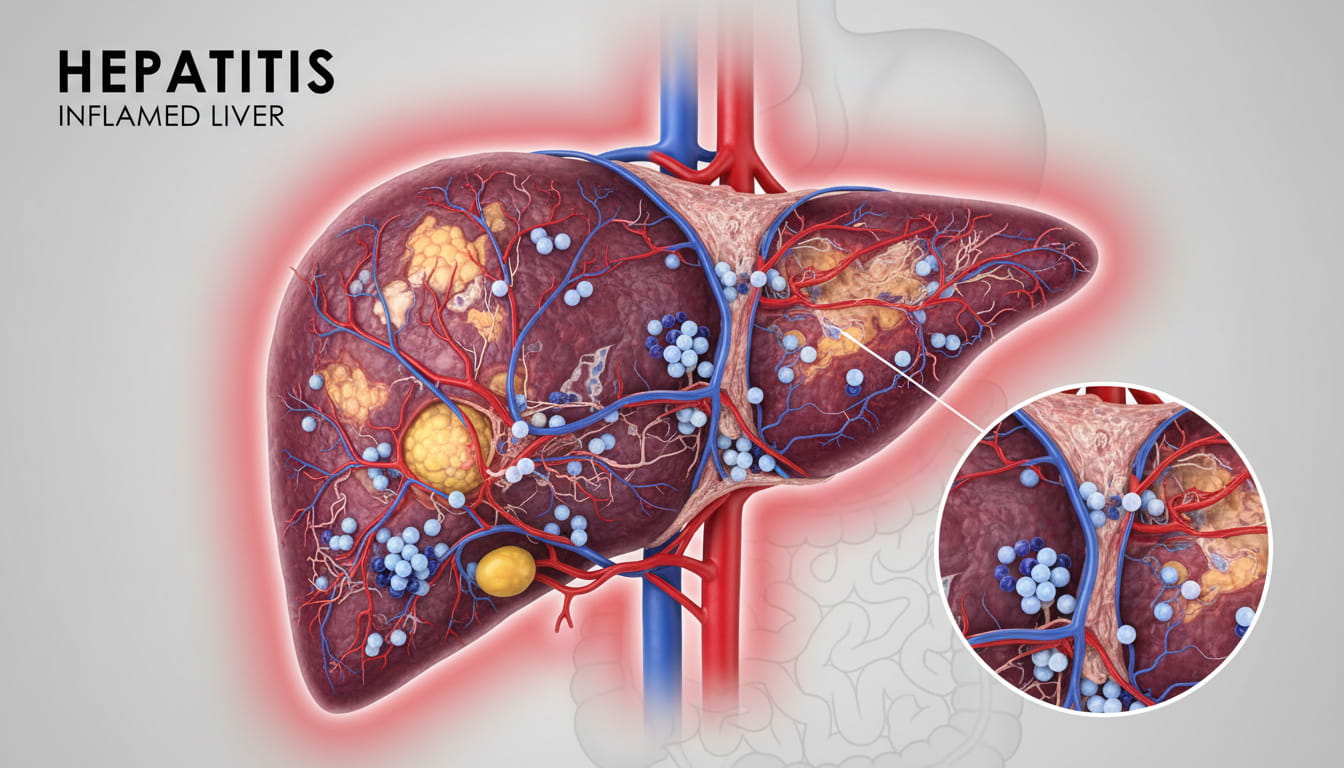
Hepatitis refers to inflammation of the liver. The liver performs several critical functions in the body:
When the liver becomes inflamed, its ability to carry out these functions may decline. Hepatitis can develop from several causes, including viral infections, liver inflammation from metabolic conditions, immune-related disorders, and toxin exposure.
Because the liver supports many essential processes, inflammation often produces system-wide symptoms such as fatigue and appetite changes.
Fatigue is one of the most common early symptoms of liver inflammation. Several factors contribute to this feeling of exhaustion.
The liver plays a key role in converting nutrients into energy. When liver function is impaired, the body may struggle to maintain normal energy levels.
Inflammation triggers immune responses that may produce fatigue, weakness, and general malaise.
The liver produces bile that helps digest fats. When digestion becomes less efficient, the body may not absorb nutrients properly.
Liver inflammation can disrupt metabolic processes that regulate energy storage and blood chemistry.
Because of these factors, fatigue related to hepatitis often feels persistent rather than temporary.
Loss of appetite frequently occurs in the early stages of hepatitis. This symptom may develop due to several mechanisms.
Inflammation of the liver can cause mild abdominal discomfort that reduces interest in food.
Liver stress may affect digestion, leading to nausea or an unsettled stomach.
Changes in metabolism can alter hunger signals.
When the liver cannot process substances efficiently, toxins may accumulate in the body and affect appetite.
For many people, loss of appetite may occur before more visible signs of liver disease appear.
Fatigue and appetite changes often appear alongside other early symptoms. These may include:
Because these symptoms resemble common viral illnesses, hepatitis may initially go unnoticed.
As hepatitis progresses, additional symptoms may develop. Possible signs include:
Jaundice occurs when bilirubin accumulates in the bloodstream.
Urine may appear darker due to bilirubin buildup.
Reduced bile flow can affect stool color.
Inflammation may cause fullness in the upper abdomen.
Energy levels may continue to decline.
Recognizing early symptoms helps people seek evaluation before these more serious signs develop.
Hepatitis can develop from multiple underlying causes. These include:
Several viruses specifically target liver cells.
Excessive alcohol consumption may damage liver tissue.
Excess fat accumulation in liver cells may lead to inflammation.
The immune system may mistakenly attack liver tissue.
Exposure to certain chemicals may stress liver cells.
Because causes vary, proper evaluation is necessary to determine the underlying condition.
Occasional fatigue is common. However, persistent symptoms may indicate a deeper issue. People should consider medical evaluation if fatigue and appetite loss occur with:
Early evaluation helps identify liver conditions before complications develop. Residents of Katy, TX experiencing these symptoms should consider consulting a digestive specialist.
Doctors typically begin with a discussion of symptoms and medical history. They may ask about:
A physical examination may focus on the abdomen and liver region. Doctors may also evaluate the eyes and skin for signs of jaundice. Clinics serving Katy, TX use modern diagnostic approaches to evaluate liver health and determine the cause of symptoms.
While hepatitis is an important cause, these symptoms may occur with other health conditions. Possible causes include:
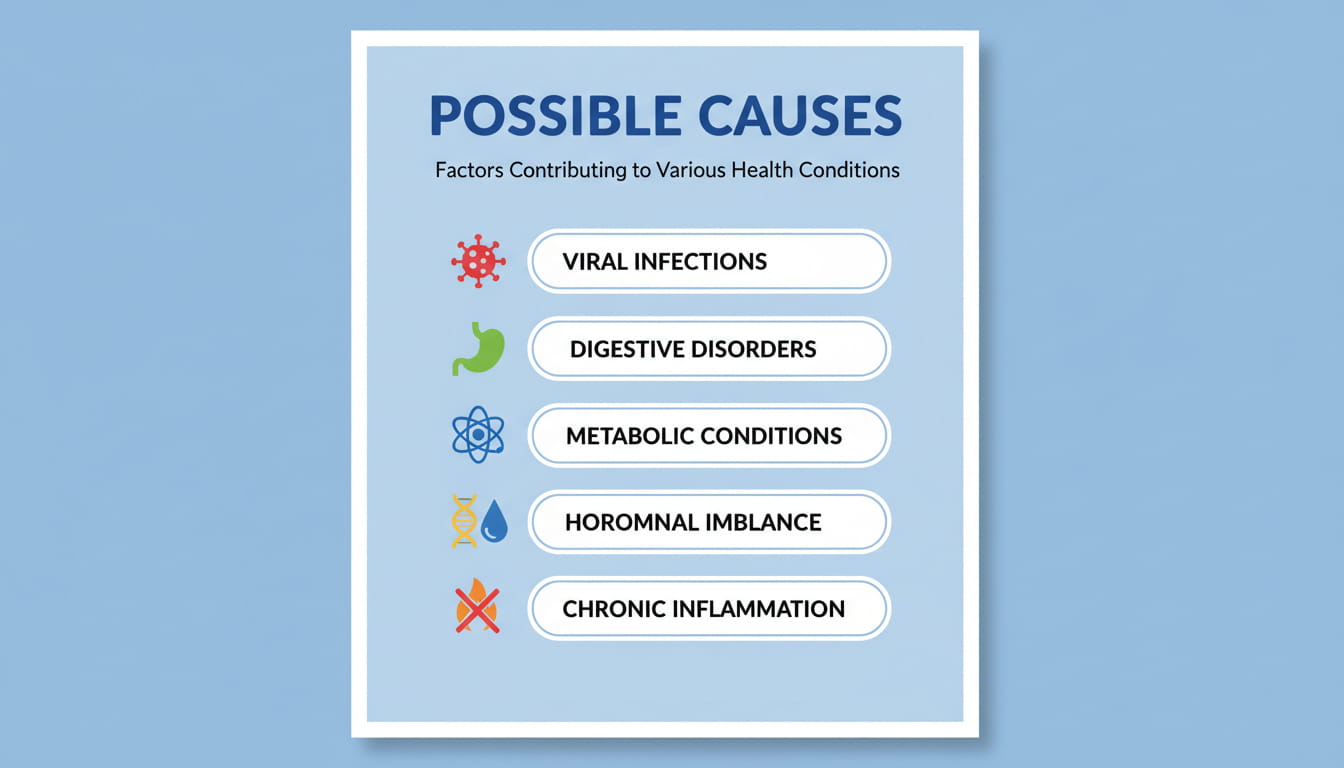
Because many conditions share similar symptoms, evaluation is necessary to determine the exact cause.
Liver health plays an important role in overall digestive wellness. People living in Katy, TX should pay attention to symptoms that may signal liver stress. Clinics such as GastroDoxs provide digestive health evaluations that help identify liver-related conditions and guide patients toward appropriate care. Early awareness helps protect long-term liver function and overall health.
Fatigue and loss of appetite can be early warning signs of hepatitis. Important points include:
Recognizing early symptoms allows individuals to seek timely evaluation and protect liver health.
Dr. Bharat Pothuri is a Board-Certified Gastroenterologist and Hepatologist. With extensive experience in digestive health, he specializes in advanced endoscopic procedures, chronic GI disorder management, and preventive care. Dr. Pothuri is dedicated to providing expert, patient-focused insights to help improve gut health and overall well-being.
Yes. Fatigue is one of the most common early symptoms of hepatitis. Liver inflammation can disrupt energy production and cause persistent tiredness.
Liver inflammation can affect digestion and metabolism. These changes may reduce hunger signals and cause loss of appetite.
Early symptoms often include fatigue, loss of appetite, nausea, abdominal discomfort, and mild fever.
No. Jaundice may appear later in the disease process. Many people experience fatigue and appetite changes before yellowing occurs.
Yes. Loss of appetite combined with metabolic changes may lead to unintended weight loss.
The duration varies depending on the cause of hepatitis. Some symptoms appear suddenly, while others develop gradually.
Yes. Fatigue related to hepatitis is often persistent and may not improve with rest.
Doctors evaluate symptoms, review medical history, and perform tests that assess liver health and inflammation.
Medical evaluation is recommended if symptoms persist for several days or occur with digestive discomfort, nausea, or jaundice.
Yes. Some forms of hepatitis may remain silent for long periods before noticeable symptoms appear.