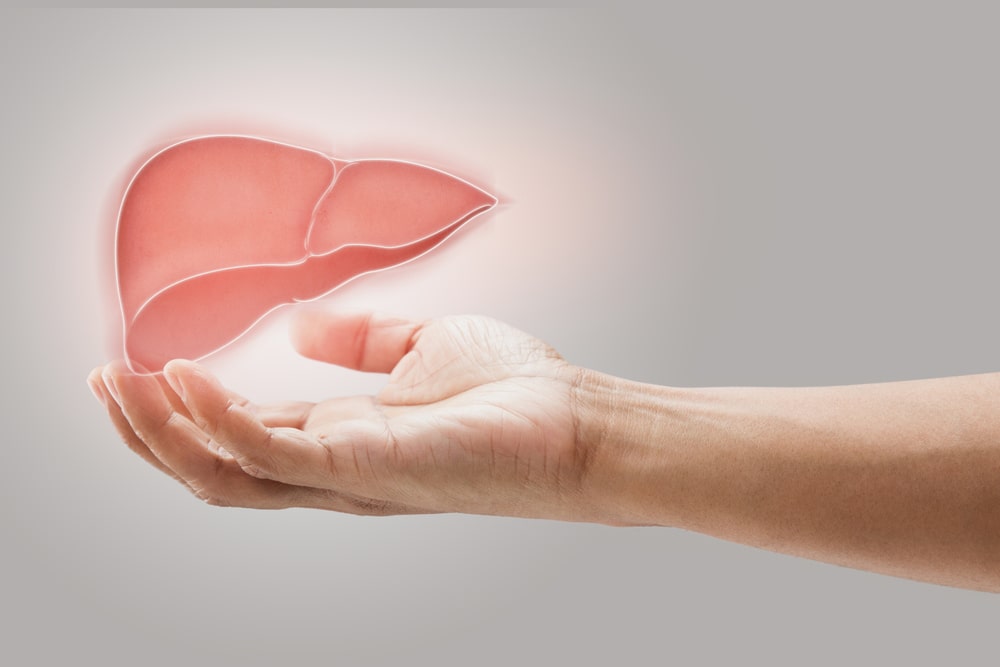







Cirrhosis is a serious liver condition that develops when healthy liver tissue is gradually replaced by scar tissue. This scarring makes it harder for the liver to carry out vital tasks such as filtering toxins, processing nutrients, helping blood clot, and supporting digestion. Because the liver can keep working for a long time despite injury, cirrhosis often develops quietly. Many people do not recognize the condition until symptoms become more obvious or complications begin.
That is one reason cirrhosis is so important to understand. The earliest signs can be easy to dismiss as fatigue, poor appetite, stomach discomfort, or changes in weight. But when those symptoms happen together, especially in someone with liver risk factors, they may point to progressive liver damage that deserves timely evaluation.
This guide explains the early symptoms of cirrhosis, why they happen, what causes cirrhosis, how it is diagnosed, and when symptoms require urgent care.

Early cirrhosis symptoms may include fatigue, weakness, poor appetite, nausea, unintentional weight loss, itchy skin, muscle loss, easy bruising, and discomfort in the upper right side of the abdomen. Some people have no symptoms at all until the disease is advanced.
As cirrhosis worsens, warning signs may progress to jaundice, swelling in the legs, fluid buildup in the abdomen, confusion, dark urine, pale stools, vomiting blood, or black tar-like stools.
The liver has a remarkable ability to keep functioning even when it is under stress. In the early phase of cirrhosis, a person may feel mostly normal or may only notice vague symptoms that could easily be blamed on poor sleep, stress, diet changes, or aging. That is why cirrhosis is often discovered during blood work, imaging, or evaluation for another health issue.
This silent progression is part of what makes cirrhosis dangerous. By the time obvious symptoms appear, significant liver scarring may already be present.
Persistent fatigue is one of the most common early symptoms of cirrhosis. It often feels deeper than normal tiredness. A person may notice low energy, reduced stamina, or the feeling that routine tasks suddenly take more effort than usual.
Fatigue happens because liver disease affects metabolism, inflammation, nutrition, sleep quality, and toxin handling. It is not specific to cirrhosis by itself, but when fatigue appears with appetite loss, itching, abdominal discomfort, or weight loss, liver disease becomes more relevant.
Some people with early cirrhosis notice that they feel physically weaker than usual. They may tire faster during walks, climbing stairs, household work, or exercise. This weakness may reflect early malnutrition, muscle loss, and reduced liver efficiency.
Weakness is easy to overlook, especially if it develops slowly. But gradual loss of strength can be one of the earliest ways chronic liver disease shows up in daily life.
A reduced desire to eat is a common cirrhosis symptom. Some patients simply do not feel hungry. Others feel full quickly or lose interest in food that they once enjoyed.
This matters because poor intake over time can lead to nutritional decline. The liver plays a major role in processing nutrients, and when cirrhosis begins to interfere with that function, the body may struggle to maintain normal energy and muscle mass.
Mild nausea can happen in early cirrhosis, especially when it appears with appetite loss, bloating, or abdominal discomfort. Nausea may come and go, which is why some people dismiss it as a stomach issue rather than a liver issue.
On its own, nausea has many causes. But when it becomes part of a symptom cluster that includes fatigue, poor appetite, itching, or upper abdominal discomfort, a liver workup may be appropriate.
Weight loss without trying can happen when appetite drops and the body begins to lose muscle. In cirrhosis, weight can be misleading because some people lose muscle while gaining fluid. A person might appear stable on the scale even though body composition is worsening.
That is why unintentional weight loss, shrinking muscle mass, looser clothing, or visible frailty should not be ignored.
Itching can be an early warning sign in several liver diseases, including cirrhosis. It may feel mild at first or become persistent and frustrating over time. The itching often happens without a clear rash.
People sometimes assume itchy skin is caused by allergies or dry weather. But if itching is ongoing and appears with fatigue, jaundice, dark urine, or appetite changes, liver-related causes should be considered.
The liver sits in the upper right portion of the abdomen. While cirrhosis does not always cause pain, some people report pressure, aching, tenderness, or a dull sense of fullness in that area.
This symptom can overlap with many other digestive complaints, including gallbladder disease, acid-related conditions, and functional abdominal pain. The location and pattern matter, especially when paired with other liver symptoms.
As cirrhosis progresses, the liver may have more difficulty producing proteins involved in clotting. Blood flow through the liver also changes. Over time, this can lead to easy bruising, frequent nosebleeds, bleeding gums, or slower clotting after small injuries.
This is usually more noticeable in later disease, but some patients begin to see bruising patterns earlier than expected.
Not every patient describes this clearly at first, but some notice poor concentration, daytime sleepiness, disrupted sleep cycles, or mild brain fog. These changes can become more pronounced if cirrhosis progresses and toxins begin to affect brain function.
A person may say they feel mentally slower, less focused, or unusually forgetful. Mild symptoms can be subtle, but they matter when cirrhosis is suspected.
These are usually later warning signs, but they are important to mention because they often trigger the first diagnosis.
Jaundice means yellowing of the skin or eyes. Swelling in the legs may happen when the body retains fluid. Fluid buildup in the abdomen is called ascites and may cause a firm, swollen belly, pressure, discomfort, or shortness of breath.
Once these symptoms appear, cirrhosis is often more advanced and requires closer medical evaluation.
Cirrhosis does not look the same in every person. Depending on the cause and stage, a person may also notice:
The most concerning symptoms are confusion, black stools, vomiting blood, severe abdominal swelling, or fever with ascites. These require immediate medical attention.
Cirrhosis is not one disease. It is the end result of long-term liver injury. Common causes include:
Heavy or prolonged alcohol use can inflame and scar the liver over time.
Long-standing viral hepatitis can cause ongoing inflammation that gradually leads to fibrosis and cirrhosis.
Metabolic dysfunction-associated steatotic liver disease, often linked with obesity, type 2 diabetes, and metabolic syndrome, is now one of the most common causes of chronic liver injury.
Conditions such as autoimmune hepatitis, primary biliary cholangitis, and primary sclerosing cholangitis can also lead to cirrhosis.
Less common causes include hemochromatosis, Wilson disease, and alpha-1 antitrypsin deficiency.
Cirrhosis risk is higher in people who have:
A person with several of these risk factors should not ignore fatigue, itching, appetite changes, jaundice, or abdominal swelling.

A cirrhosis diagnosis is usually based on a combination of history, physical exam, lab work, and imaging.
Doctors review alcohol intake, hepatitis exposure, metabolic risk factors, medication history, symptoms, and family history.
The exam may reveal jaundice, abdominal swelling, enlarged liver or spleen, muscle wasting, bruising, or swelling in the legs.
Blood work may show abnormal liver enzymes, bilirubin elevation, low albumin, platelet changes, or clotting abnormalities.
Ultrasound, CT, MRI, or elastography may suggest scarring, nodularity, portal hypertension, ascites, or liver stiffness.
Some patients need a biopsy to confirm the diagnosis or identify the cause, although many cases can now be assessed with noninvasive tools.
Without treatment, cirrhosis can progress from compensated disease to decompensated disease. That means the liver can no longer keep up with basic demands, and major complications begin to appear.
These complications may include:
Early evaluation matters because treating the underlying cause can slow progression and, in some cases, prevent major complications for years.
Seek urgent care right away if cirrhosis or severe liver disease is suspected and any of the following happen:
These symptoms may reflect gastrointestinal bleeding, infection, severe fluid buildup, or toxin-related brain effects.
This is one of the most common questions online. The honest answer is that established cirrhosis usually means permanent scarring. However, that does not mean nothing can be done.
If the cause is found early and treated aggressively, doctors can often slow progression, reduce inflammation, prevent complications, and improve quality of life. In some cases, especially in earlier disease, liver function can improve meaningfully even if scar tissue does not disappear.
Anyone who notices a pattern of fatigue, itching, appetite loss, nausea, upper right abdominal discomfort, jaundice, or swelling should not wait for symptoms to become dramatic. Cirrhosis is easier to evaluate and manage before complications take hold.
For patients who need digestive and liver-related evaluation, GastroDoxs can help start the workup, assess related GI symptoms, and guide next steps based on the severity of findings.
Dr. Bharat Pothuri is a Board-Certified Gastroenterologist and Hepatologist. With extensive experience in digestive health, he specializes in advanced endoscopic procedures, chronic GI disorder management, and preventive care. Dr. Pothuri is dedicated to providing expert, patient-focused insights to help improve gut health and overall well-being.
Yes. Many people have no obvious symptoms until liver damage is more advanced.
Yes. Persistent itching can happen in chronic liver disease and may appear before more dramatic symptoms.
Some people feel discomfort in the upper right abdomen, though cirrhosis does not always cause pain.
Yes. Ongoing fatigue and weakness are among the most common early complaints.
Vomiting blood, black stools, new confusion, fever with abdominal swelling, and severe jaundice require urgent medical care.