






Itching and pain around the anus are uncomfortable symptoms that many people experience at some point. These symptoms often raise concerns about digestive health.
Two of the most common causes are anal fissures and hemorrhoids. Although these conditions affect the same area of the body, they are different problems with different underlying causes.
People in Katy, TX frequently search for answers when they notice rectal discomfort, irritation, or bleeding. Understanding the difference between fissures and hemorrhoids can help patients recognize symptoms early and seek appropriate digestive care.
This guide explains:
Anal itching and pain may be caused by either anal fissures or hemorrhoids. Anal fissures are small tears in the lining of the anal canal that often cause sharp pain during bowel movements. Hemorrhoids are swollen veins in the rectal area that typically cause itching, pressure, and occasional bleeding. A digestive health evaluation can help determine the exact cause of symptoms.
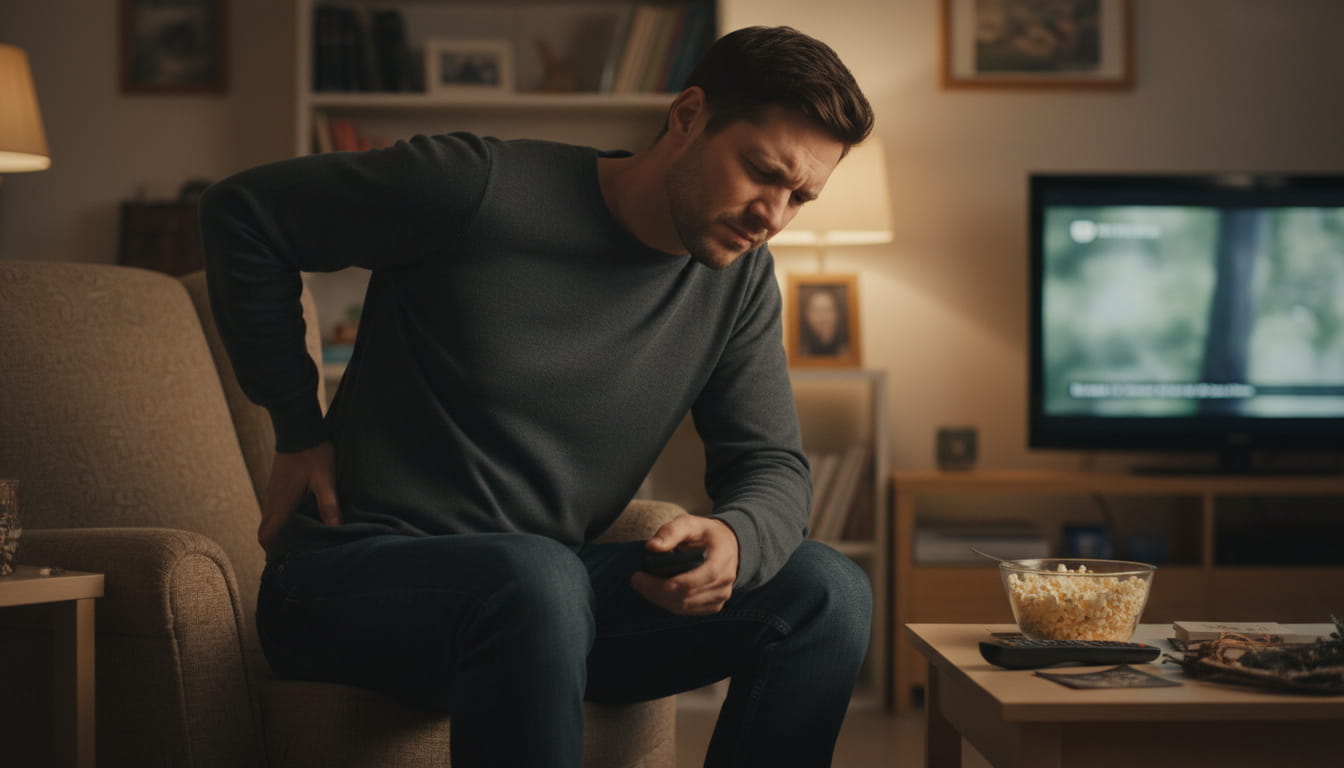
The anal region contains sensitive nerve endings and delicate tissue. When this area becomes irritated, symptoms can develop quickly.
Common symptoms people report include:
These symptoms may occur for many reasons, but fissures and hemorrhoids are among the most frequent causes.
An anal fissure is a small tear in the thin lining of the anal canal. The tear usually develops when the tissue stretches too much during bowel movements. Because the anal canal contains sensitive nerves, even a small tear can cause intense pain.
People with fissures often experience:
Pain is usually the dominant symptom.
Hemorrhoids are swollen blood vessels in the rectal area. These veins can become enlarged due to increased pressure in the lower digestive tract. Hemorrhoids are very common and may develop due to:
Hemorrhoids often cause:
Unlike fissures, hemorrhoids usually cause less intense pain.
Understanding symptom patterns helps distinguish the two conditions.
| Feature | Anal Fissure | Hemorrhoids |
|---|---|---|
| Main problem | Tear in anal lining | Swollen veins |
| Pain level | Severe pain during bowel movements | Mild to moderate discomfort |
| Bleeding | Small streaks | May drip or spot |
| Itching | Possible | Very common |
| Cause | Hard stool or straining | Increased pressure in veins |
Both conditions may cause similar symptoms, so a professional evaluation is important.
Several digestive and lifestyle factors can contribute to itching and pain.
Hard stools and straining increase pressure on the anal canal.
Repeated bowel movements may irritate the surrounding skin.
Fiber supports regular bowel movements and healthy digestion.
Extended sitting may increase pressure in the rectal area.
Insufficient water intake can contribute to harder stool.
Residents of Katy, TX often experience digestive symptoms related to busy schedules, dietary habits, and sedentary work environments.
Anal itching can occur when the skin becomes irritated.
Possible triggers include:
Both fissures and hemorrhoids can create conditions that cause itching.
Pain during bowel movements is not always normal. People should pay attention to symptoms such as:
Persistent symptoms should be evaluated by a digestive specialist.

Doctors usually begin with a discussion of symptoms and digestive habits. A digestive specialist may ask about:
A physical examination of the anal area often helps identify whether the cause is a fissure, hemorrhoids, or another condition. Clinics serving Katy, TX use modern diagnostic techniques to ensure accurate evaluation.
Yes. Some patients may develop both fissures and hemorrhoids at the same time. For example:
Because symptoms overlap, professional evaluation is important.
Maintaining healthy digestive habits can help reduce irritation in the anal region.
Important factors include:
Fiber supports regular bowel movements.
Adequate water intake helps maintain stool softness.
Movement helps maintain digestive motility.
Avoiding excessive straining helps reduce pressure on the anal canal.
Consistent habits support long-term digestive comfort.
Patients experiencing persistent rectal symptoms should consider evaluation by a digestive specialist.
Clinics in Katy, TX evaluate symptoms such as:
Specialists assess the underlying causes and determine whether symptoms are related to fissures, hemorrhoids, or other digestive conditions. Clinics such as GastroDoxs focus on digestive health evaluation and patient education for conditions affecting the lower gastrointestinal tract.
Anal itching and pain can have multiple causes. Important points include:
Recognizing the difference between these conditions helps patients seek appropriate digestive care.
Dr. Bharat Pothuri is a Board-Certified Gastroenterologist and Hepatologist. With extensive experience in digestive health, he specializes in advanced endoscopic procedures, chronic GI disorder management, and preventive care. Dr. Pothuri is dedicated to providing expert, patient-focused insights to help improve gut health and overall well-being.
Anal itching may occur due to irritation, moisture, digestive conditions, skin sensitivity, hemorrhoids, or anal fissures.
Fissure pain is usually sharp and occurs during bowel movements. The pain may continue afterward and may be accompanied by small streaks of bright red blood.
Yes. Hemorrhoids often cause itching around the anus because swollen veins can irritate the surrounding skin.
In many cases, fissures cause more intense pain because the tear exposes sensitive nerve endings in the anal canal.
Yes. Constipation and straining increase pressure in the anal canal, which can contribute to both conditions.
No. Bleeding can occur from several conditions including fissures, hemorrhoids, or other digestive issues.
Medical evaluation is recommended if itching persists for several days, becomes severe, or occurs with bleeding or pain.
Yes. Diet influences bowel habits and stool consistency, which can affect irritation in the anal area.
Yes. Anal fissures are one of the most common causes of rectal pain during bowel movements.
Anyone experiencing persistent anal pain, itching, or bleeding should consider consulting a digestive specialist for evaluation.