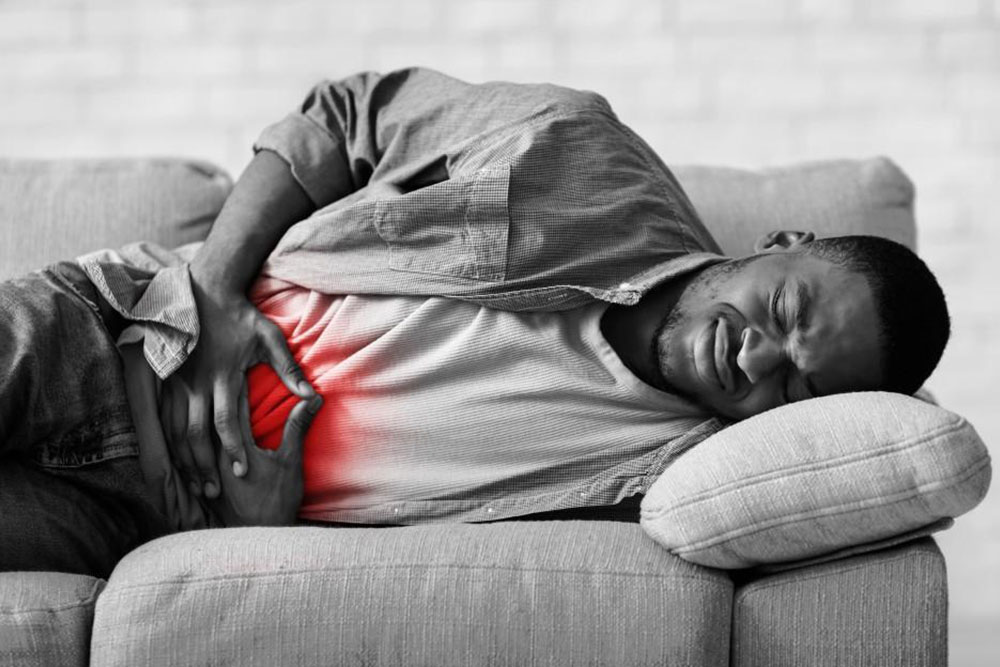







Experiencing abdominal pain at night can be both uncomfortable and disruptive to your sleep.
If you often find yourself waking up with a stomach ache, it could be a sign of an underlying health issue that needs attention.
Abdominal pain at night can range from mild discomfort to severe, cramping pain, and understanding the causes is essential for effective treatment.
In this comprehensive guide, we will explore why abdominal pain occurs at night, the common causes of this pain, and when it might be time to seek medical care.
Additionally, we’ll discuss potential treatment options and preventative measures to reduce nighttime discomfort.
Nighttime abdominal pain can be triggered by various factors. Some are related to digestive conditions, while others may be influenced by lifestyle choices, medications, or even stress. Here are the most common causes of abdominal pain at night:
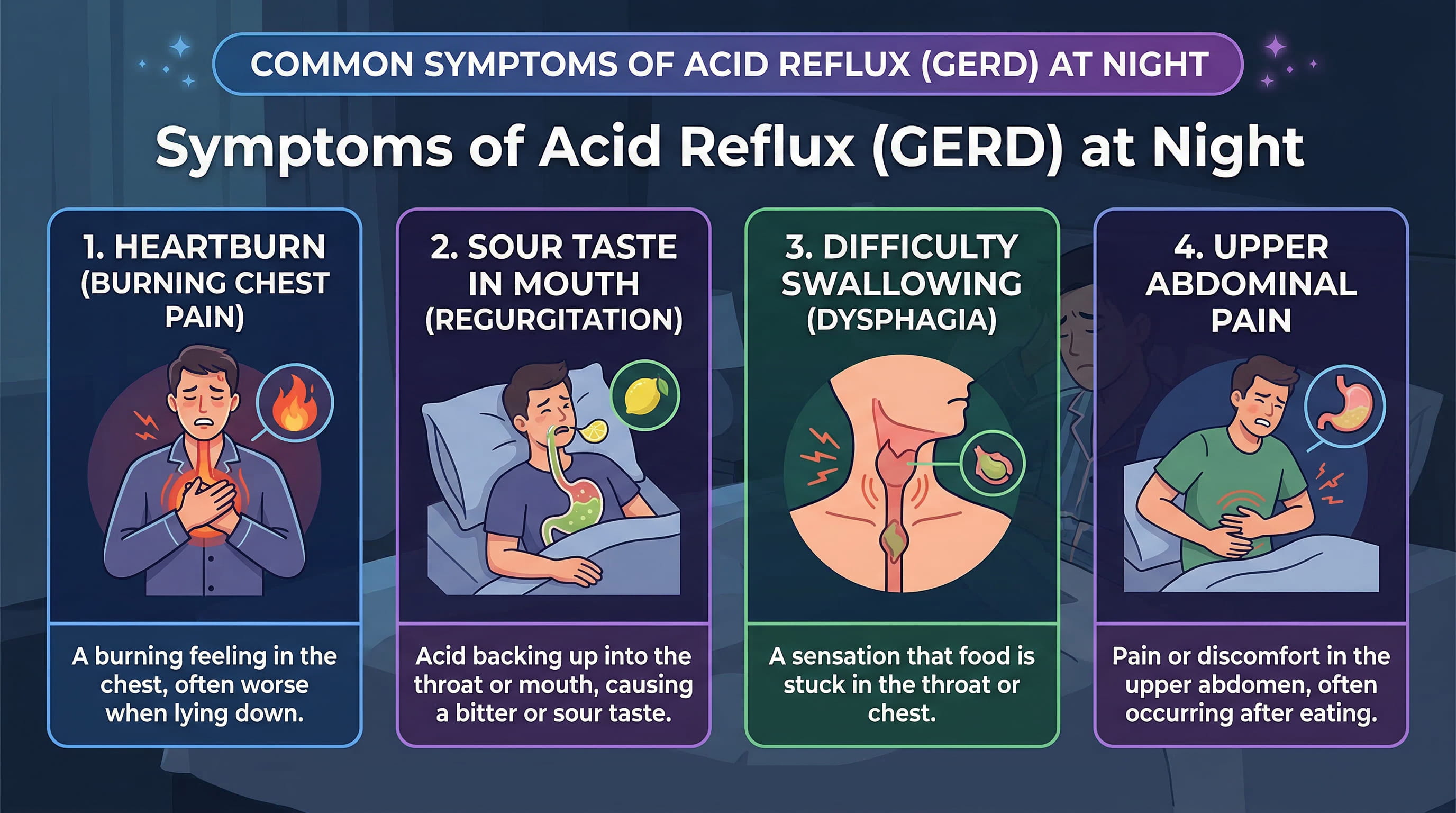
Acid reflux, also known as gastroesophageal reflux disease (GERD), is one of the leading causes of abdominal pain at night. GERD occurs when stomach acid backs up into the esophagus, causing irritation and discomfort. This condition tends to worsen at night because lying down can allow stomach acid to move more easily into the esophagus.
Symptoms of Acid Reflux (GERD) at Night:
The pain from GERD can be especially bothersome at night, as gravity no longer helps keep the stomach acid where it belongs. This can lead to waking up with a sour taste in your mouth or a burning sensation in your throat.
Peptic ulcers are open sores that form on the inner lining of the stomach or the upper part of the small intestine (duodenum). These ulcers are often caused by infection with Helicobacter pylori bacteria or the long-term use of nonsteroidal anti-inflammatory drugs (NSAIDs). Abdominal pain from peptic ulcers can be more noticeable at night when the stomach is empty.
Symptoms of Peptic Ulcers:
The pain caused by a peptic ulcer may worsen at night, especially if you haven’t eaten for several hours, as stomach acid can irritate the ulcer. You might wake up feeling intense, burning pain that is relieved temporarily by eating or drinking.
Irritable Bowel Syndrome (IBS) is a chronic gastrointestinal disorder that affects the large intestine. It can cause abdominal pain, bloating, diarrhea, and constipation. While IBS symptoms often occur during the day, they can also cause nighttime discomfort, especially if you have a flare-up of your symptoms.
Symptoms of IBS:
IBS-related pain can often worsen at night due to the relaxation of the digestive system during sleep. This may lead to increased sensitivity to digestive discomfort or bloating. Stress can also exacerbate IBS symptoms, and nighttime stress can contribute to increased discomfort.
Gallstones are hardened deposits that form in the gallbladder, which can block bile ducts and lead to sharp abdominal pain. Gallstone attacks often occur after eating fatty meals but can also cause pain at night if the bile ducts become blocked, triggering a gallbladder attack.
Symptoms of Gallstones:
Pain from gallstones often occurs after eating, but some individuals may experience nocturnal pain. This is especially true for people who have large gallstones that are blocking bile flow. The pain typically comes in waves and can be accompanied by nausea and vomiting.
Gastritis is the inflammation of the stomach lining, which can be caused by an infection, excessive alcohol consumption, stress, or long-term use of certain medications like NSAIDs. The pain from gastritis can be mild to severe and may be worse at night, especially when the stomach is empty.
Symptoms of Gastritis:
The pain caused by gastritis may be particularly intense at night or early in the morning because stomach acid can irritate the inflamed stomach lining. Eating small, frequent meals can help reduce this discomfort.
Stress and anxiety can affect the gastrointestinal system and lead to nighttime abdominal pain. When stressed, your body’s fight-or-flight response triggers the release of stress hormones, which can impact your digestive system and cause discomfort.
Symptoms of Stress-Induced Abdominal Pain:
Stress can exacerbate conditions like GERD, IBS, and gastritis, causing worsened pain at night. Anxiety-related stomach pain may also be felt as a dull ache or cramping in the upper abdomen.
If your body cannot digest lactose (a sugar found in dairy products), it can lead to lactose intolerance. This condition may cause bloating, gas, and abdominal discomfort, which can worsen at night, especially if you’ve consumed dairy products later in the day.
Symptoms of Lactose Intolerance:
While lactose intolerance typically causes discomfort soon after eating dairy, symptoms may be more pronounced at night due to slowed digestion while you sleep.
While occasional abdominal pain at night may not be cause for concern, persistent or severe pain should not be ignored.
If you experience any of the following symptoms, it’s important to seek immediate medical attention:
In these cases, a doctor will likely recommend further testing, such as an endoscopy, ultrasound, or blood tests, to determine the cause of your symptoms.
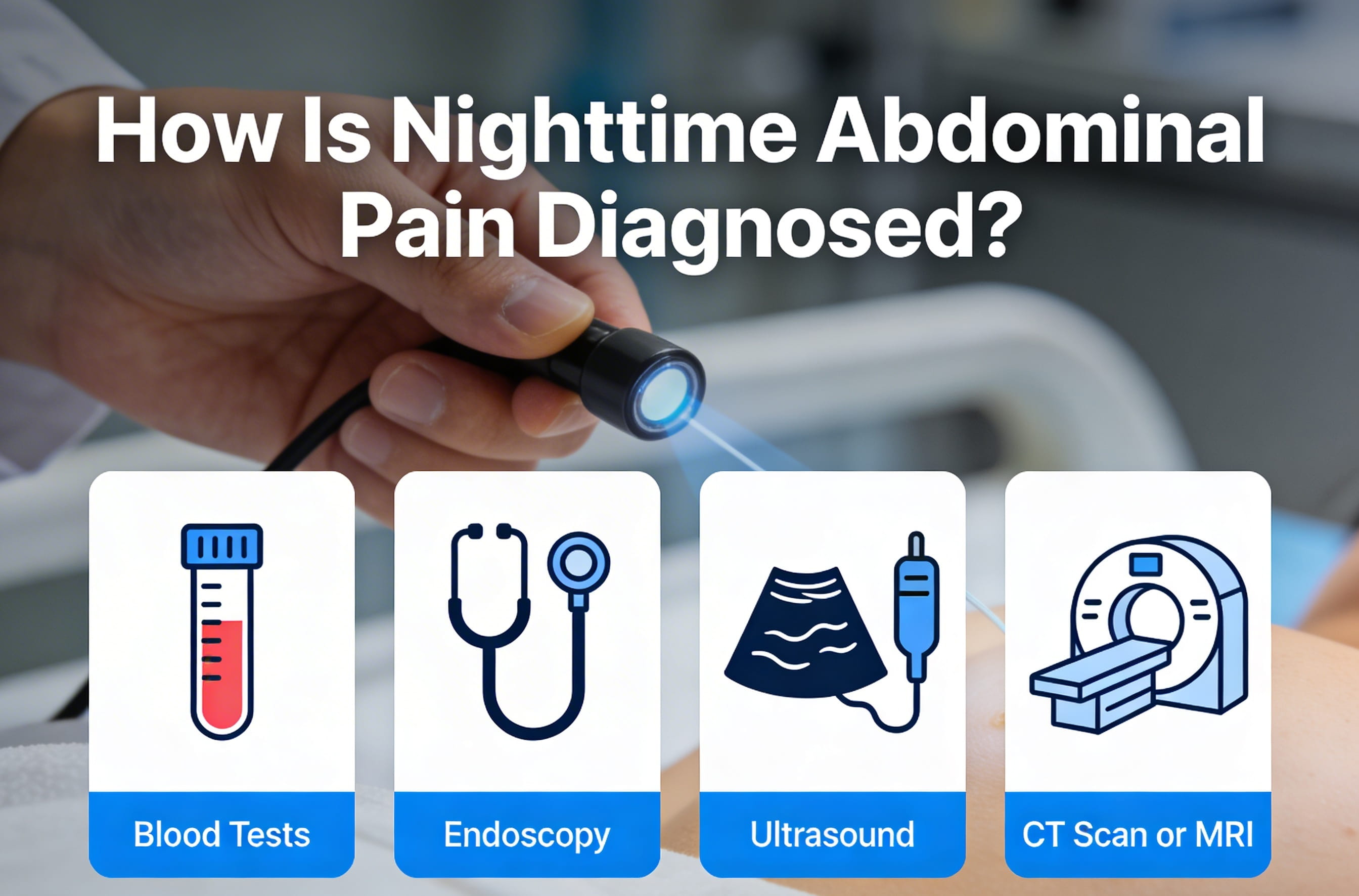
To identify the underlying cause of nighttime abdominal pain, your healthcare provider will likely perform a physical examination and may recommend diagnostic tests.
These tests help determine the exact condition affecting your digestive system and guide appropriate treatment.
Blood tests can check for infection, inflammation, and issues with organ function, such as liver function abnormalities seen in conditions like gallstones or gastritis.
An endoscopy involves inserting a flexible camera through the mouth to examine the esophagus, stomach lining, and small intestine. It is especially useful for diagnosing gastritis, peptic ulcers, and esophageal disorders.
An ultrasound uses sound waves to create images of abdominal organs. It is commonly used to detect gallstones, liver disease, or fluid buildup in the abdomen.
CT scans and MRI provide detailed images of internal organs and are helpful in identifying conditions such as pancreatitis, liver disease, intestinal blockages, or other structural abnormalities.
The treatment for abdominal pain at night depends on the underlying cause. A proper diagnosis helps determine the most effective approach to relieve symptoms and prevent recurrence.
Here are some common treatment approaches:
Medications are often the first line of treatment and are chosen based on the specific condition causing the pain.
In more severe or persistent cases, surgical intervention may be necessary to address the root cause of the pain.
Simple lifestyle changes can significantly reduce nighttime abdominal discomfort and prevent flare-ups.
To prevent abdominal pain at night, you can adopt simple lifestyle and dietary habits that support healthy digestion and reduce nighttime discomfort.
Dr. Bharat Pothuri is a Board-Certified Gastroenterologist and Hepatologist. With extensive experience in digestive health, he specializes in advanced endoscopic procedures, chronic GI disorder management, and preventive care. Dr. Pothuri is dedicated to providing expert, patient-focused insights to help improve gut health and overall well-being.
Nighttime abdominal pain can be caused by acid reflux, ulcers, gastritis, or stress. Pain may worsen after meals or when lying down.
Yes. Stress can exacerbate digestive issues, leading to conditions like acid reflux, IBS, and gastritis, causing pain at night.
Yes. Peptic ulcers often cause pain during the night, especially if the stomach is empty. The pain may be burning or gnawing.
Try eating smaller meals, avoiding trigger foods, and using over-the-counter antacids or medications for acid reflux.
Yes. Gallstones can block bile ducts, causing intense pain in the upper abdomen, often triggered after eating fatty foods.
If the pain is severe, persistent, or accompanied by other symptoms like vomiting, weight loss, or jaundice, you should see a doctor.
Yes. Acid reflux worsens when lying down, leading to pain, heartburn, and nausea, especially after eating fatty foods.
Avoid large meals at night, eat smaller portions, reduce stress, and avoid alcohol and caffeine.
Yes. IBS symptoms can worsen at night due to the body’s relaxation during sleep and stress, causing abdominal pain and bloating.
Tests may include blood tests, endoscopy, ultrasound, CT scans, or MRIs to diagnose conditions like acid reflux, ulcers, or gallstones.