A combined EGD and colonoscopy uses one coordinated preparation and sedation plan to examine the upper digestive tract and colon. Through GastroDoxs GutSignal Decode™, your symptoms, upper findings, colon findings, biopsies, and pathology are interpreted together to guide the next step.
Quick Answer: What should I expect from combined upper endoscopy and colonoscopy?
Expect the full colonoscopy bowel preparation, fasting and medication instructions, one arrival and pre-anesthesia assessment, two endoscopic examinations during the same sedation visit, a short recovery period, and follow-up based on visible findings, biopsies, and any removed polyps.
task_alt
Bowel prep, fasting, and medication review
The colon must be clean and the stomach empty. Your written instructions explain diet changes, prep timing, fasting, diabetes medicines, blood thinners, GLP-1 medicines, and other prescriptions.
task_alt
Upper and lower GI examination
The gastroenterologist examines the esophagus, stomach, and duodenum with an upper endoscope and the colon and rectum with a colonoscope. Biopsies or polyp removal may be performed when appropriate.
task_alt
Sedation recovery and a responsible adult driver
You rest while the sedation wears off. A responsible adult age 18 or older must drive you home; rideshare, taxi, or driving yourself is not accepted under the supplied GastroDoxs instructions.
shield
GastroDoxs GutGuardians™
Your guardians. GastroDoxs GutGuardians™ is an elite team of board-certified gastroenterologists - a physician-led defense force of specialists, systems, and solution pathways working together to protect, detect, solve, and defend your digestive health through expert GI evaluation, advanced diagnostic screening, and endoscopic evaluation - commanded from your first concern to your last follow-up, and every critical stage in between.
route
GastroDoxs GutSignal Decode™
Your answers. GastroDoxs GutSignal Decode™ cracks your body's distress codes - delivering expert gastroenterologist interpretation of your GI symptoms, lab results, endoscopy findings, conditions, and digestive imaging across the full spectrum of digestive disease - translating every signal your gut sends into a confirmed diagnosis and a clear, board-certified plan of attack built entirely around you.
Preparation Questions to Review Before the Procedure
info
Confirm your exact bowel-prep schedule
Know the name of your preparation, when each dose begins, when it must be completed, and what counts as a clear liquid.
info
Review every medicine before stopping anything
Blood thinners may require clearance. Diabetes and GLP-1 medicines may need a specific plan. Do not make changes without instructions.
info
Plan arrival, driver, and recovery time
Confirm the surgery-center location, arrive at the instructed time, and arrange an adult driver who can take you home after sedation.
Step
What usually happens
Why it matters
Two weeks before
Follow your usual diet unless instructed otherwise, drink water, and confirm whether a GLP-1 medicine must be held under your individualized GastroDoxs plan.
Do not stop a prescription medicine without direct instructions.
One week before
Begin the instructed low-fiber plan, avoid nuts and seeds, and review whether iron, multivitamins, antidiarrheal products, or other medicines should be held.
Bring questions to the office early enough to avoid a last-minute cancellation.
The day before
Use clear liquids, avoid alcohol and red or purple drinks, take the bowel preparation exactly as directed, and follow the prescribed diabetes-medicine plan.
The written schedule from GastroDoxs overrides general online advice.
Procedure day
Do not eat or drink after the exact cutoff provided to you. Arrive about 1 to 1.5 hours early if instructed, complete registration, and review consent and anesthesia questions.
Bring your photo ID, insurance card, medication list, and adult driver.
After the procedure
Recover under observation, review initial findings, follow discharge instructions, avoid driving for the rest of the day, and keep the follow-up plan for pathology and treatment recommendations.
Call promptly for bleeding, fever, severe pain, repeated vomiting, or another severe or unusual symptom.
Pateient Journey: Understanding Your Double EGD | Colonoscopy Journey
Clinical Review
Your gastroenterologist confirms why both upper endoscopy and colonoscopy are needed and reviews prior results, medicines, and health risks.
Preparation Phase
You complete the diet, bowel-cleansing, fasting, medication, clearance, and driver instructions supplied by GastroDoxs and the surgery center.
Combined Procedure
During one sedation visit, the upper digestive tract and colon are examined. Biopsies may be taken and many colon polyps can be removed.
Recovery and Initial Findings
You recover from sedation while the clinical team monitors pain, vomiting, dizziness, vital signs, and readiness for discharge.
Pathology and Follow-Up
Visible findings, tissue results, removed-polyps pathology, treatment recommendations, and any future testing or surveillance are reviewed.
Results may be normal or may show inflammation, ulcers, narrowing, bleeding, H. pylori-related changes, celiac-related findings, colon polyps, diverticular disease, colitis, hemorrhoids, or abnormal tissue. Follow-up depends on the full result set.
assignment
If an upper-GI cause is found
Your doctor may discuss acid treatment, H. pylori therapy, swallowing treatment, ulcer care, biopsy follow-up, or surveillance.
assignment
If colon polyps or inflammation are found
Removed polyps are sent to pathology. Inflammation may require additional stool tests, medicine, imaging, or condition-specific follow-up.
assignment
If both examinations are normal
A normal combined examination may lead to laboratory monitoring, medication changes, small-bowel evaluation, imaging, or another symptom-focused plan.
Double EGD Preparation Overview
Quick Answer: What matters most for Double EGD prep?
The colonoscopy preparation determines whether the colon can be examined well. Follow the prescribed low-fiber plan, clear-liquid day, bowel preparation, fasting cutoff, and medicine instructions exactly.
The supplied GastroDoxs guide also requires a responsible adult driver age 18 or older and does not allow Uber, Lyft, a cab, or driving yourself after sedation.
Double EGD Video Instructions
Watch this combined EGD and colonoscopy overview, then use your written procedure instructions for exact diet, prep, medication, arrival, transportation, and recovery requirements.
Ready for the Next Step?
Need the written preparation guide?
Download the complete GastroDoxs Double EGD instructions.
Download Double EGD PDF
Ready to discuss scheduling?
Request a consultation to confirm why both procedures are needed and which surgery center, prep, and medication plan apply.
See Double EGD scheduling options
Frequently Asked Questions About Double EGD
How do I prepare for Double EGD?
You complete the full colonoscopy bowel preparation and follow upper-endoscopy fasting instructions. Your GastroDoxs packet gives the exact diet, medicine, prep-dose, and cutoff schedule.
Do I need a clear-liquid diet?
Yes. The supplied GastroDoxs instructions use a clear-liquid diet the day before the procedure. Avoid alcohol and red or purple drinks.
Do I need to stop blood thinners?
Do not stop them on your own. Blood thinners may require clearance and an individualized plan from the prescribing clinician, gastroenterologist, and procedure team.
What should I do with GLP-1 or diabetes medicines?
Follow the exact GastroDoxs and anesthesia instructions. The supplied packet includes specific timing for GLP-1 medicines, oral diabetes medicines, and insulin, but your plan may be individualized.
Will I be awake during both procedures?
Sedation is commonly used. The anesthesia team explains the plan, risks, and recovery expectations before the procedure.
How long should I plan to be at the facility?
The procedure time is shorter than the total visit. Plan for registration, pre-assessment, sedation, both examinations, and recovery. Follow the arrival time provided by the surgery center.
Can biopsies and polyp removal be done in the same visit?
Yes, when clinically appropriate. Biopsies may be taken during either exam, and many colon polyps can be removed during colonoscopy.
Will I need a driver?
Yes. The supplied GastroDoxs instructions require a responsible adult age 18 or older to drive you home. Do not plan to use a rideshare, taxi, or drive yourself.
What symptoms are normal afterward?
Temporary bloating, gas, mild discomfort, some diarrhea, and weakness can occur. Follow your discharge instructions.
What symptoms are not normal after Double EGD?
Seek urgent help for significant bleeding, severe or increasing abdominal pain, repeated vomiting, fever, fainting, chest pain, breathing trouble, or another severe or unusual symptom.
Need Help Planning the Combined Procedure?
GastroDoxs can review the reason for each examination, preparation, medication questions, clearances, insurance, surgery-center coordination, transportation, and follow-up before you schedule.

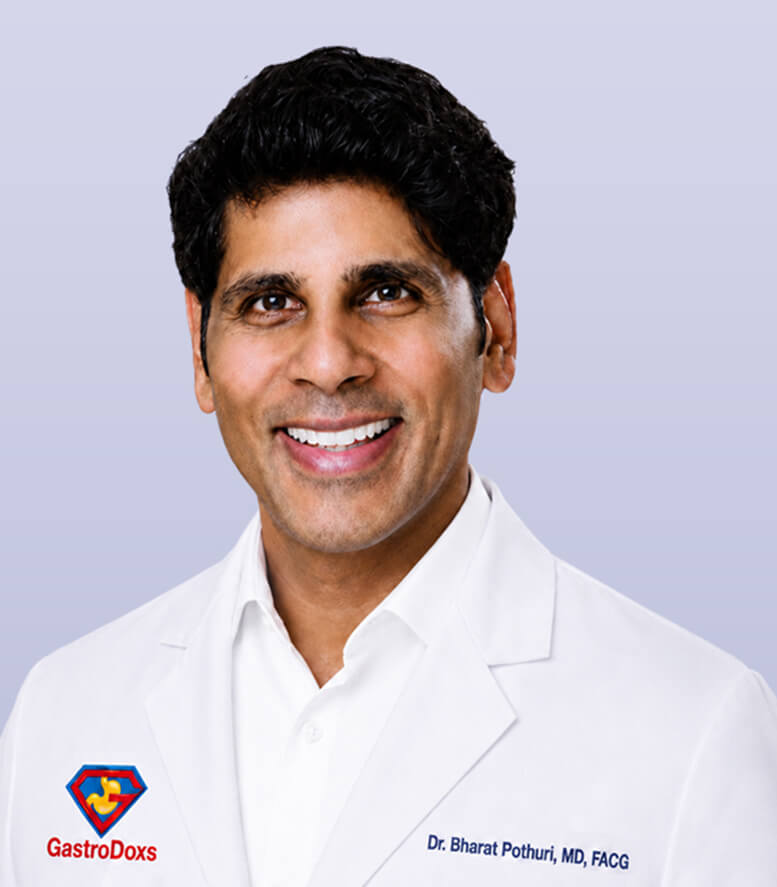 Medically Reviewed by Dr. Bharat Pothuri, MD, FACG | Updated 07-23-2026