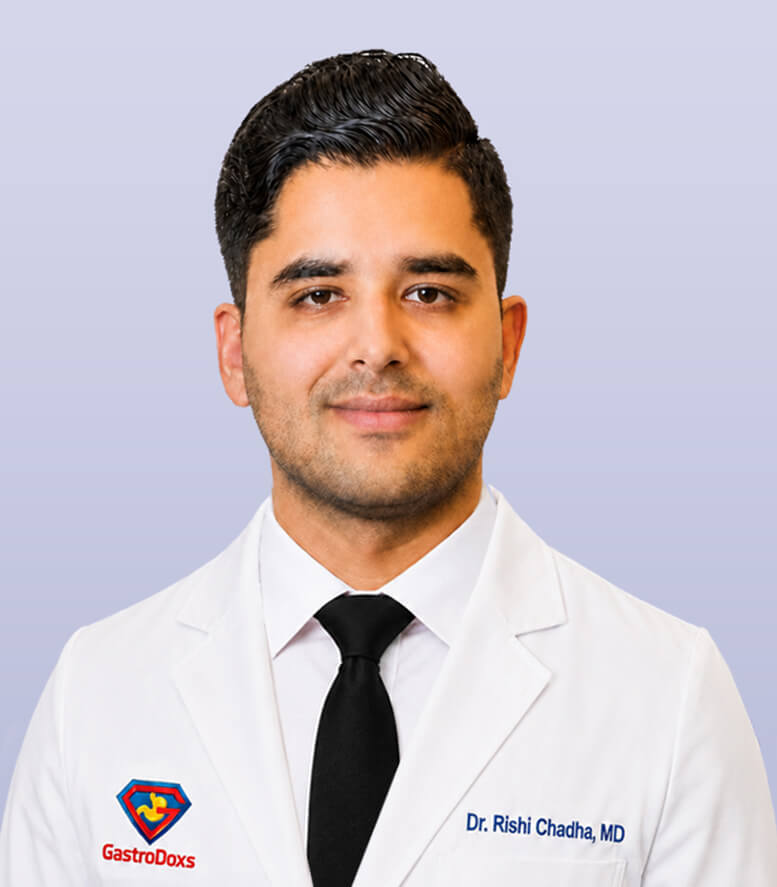
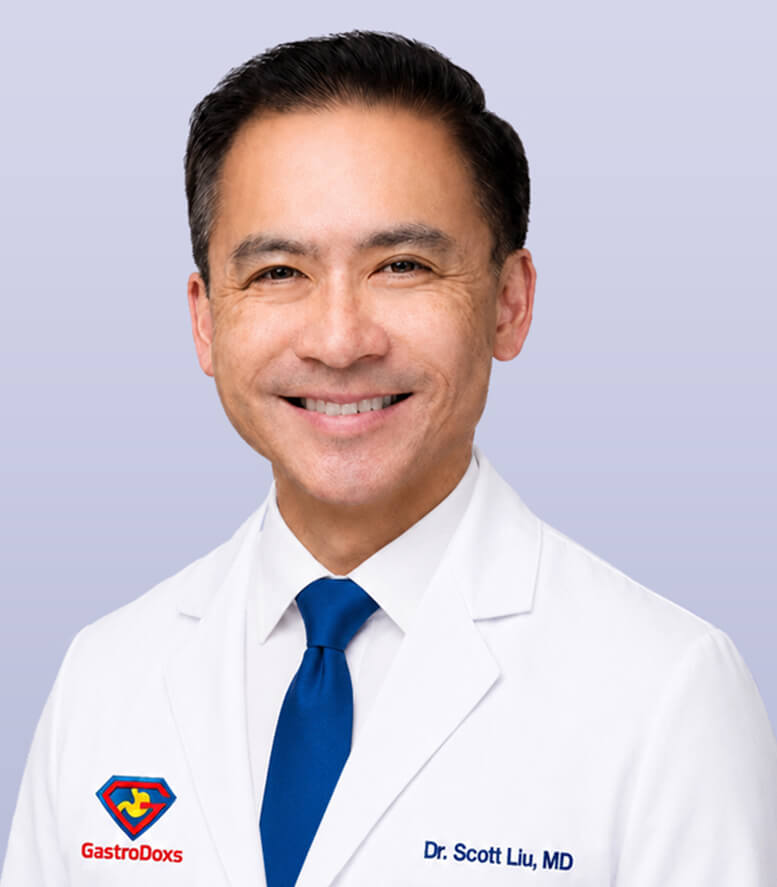
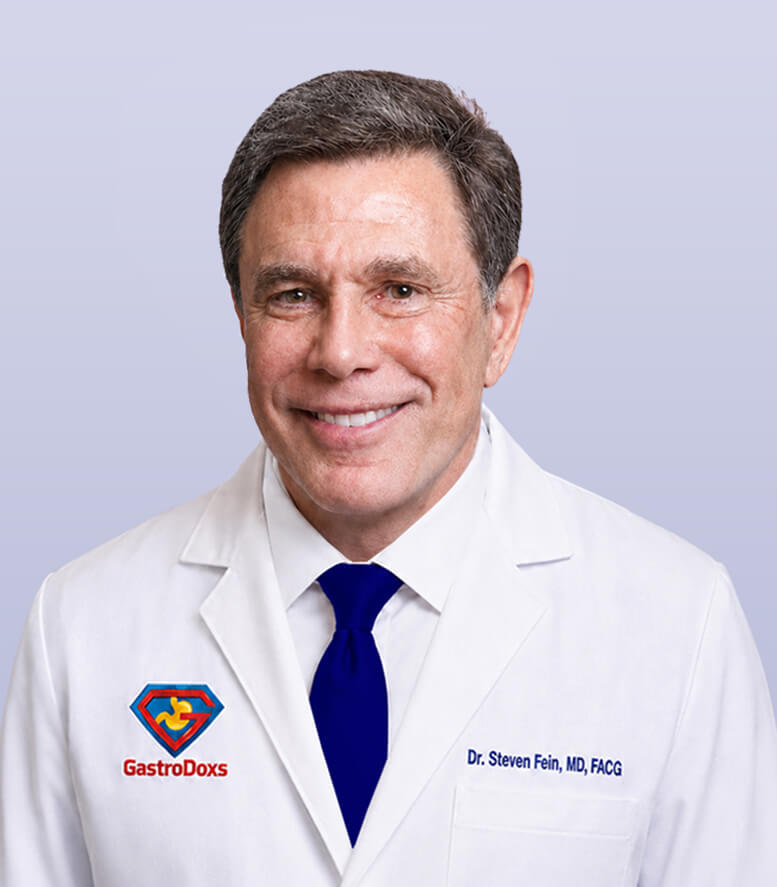
Board-Certified GI Specialists
Our gastroenterologists are board-certified and experienced in diagnosing and managing squamous cell cancer of the esophagus and anal canal through advanced endoscopy and biopsy.

Board-certified gastroenterology care for squamous cell cancer evaluation, endoscopic diagnosis, biopsy confirmation, and treatment planning.
When squamous cell cancer is suspected or confirmed in the digestive tract, timely evaluation and treatment planning are essential. GastroDoxs provides board-certified gastroenterology care for patients near Jersey Village who need endoscopic diagnosis, biopsy confirmation, staging support, and coordinated treatment planning for squamous cell cancer of the esophagus or anal canal.
When squamous cell cancer is suspected or confirmed in the digestive tract, timely evaluation and treatment planning are essential. GastroDoxs provides board-certified gastroenterology care for patients near Jersey Village who need endoscopic diagnosis, biopsy confirmation, staging support, and coordinated treatment planning for squamous cell cancer of the esophagus or anal canal.
GastroDoxs GutRescue Mission™ Your rescue plan. When your diagnosis is confirmed, GastroDoxs GutRescue Mission™ deploys at full force - a gastroenterologist-led intervention plan delivering advanced colonoscopy, upper endoscopy, capsule endoscopy, and precision biologic and medication management across the full range of digestive conditions and complex GI emergencies - fighting for you with everything we have.
Squamous cell cancer in the digestive tract most commonly affects the esophagus or anal canal. Symptoms may include persistent trouble swallowing, chest discomfort, rectal bleeding, anal pain, or unexplained weight loss. Early evaluation can support accurate diagnosis through upper endoscopy or anoscopy with tissue biopsy, allowing your GI specialist to confirm the diagnosis, assess extent, and coordinate with oncology for treatment planning.
Your GI specialist may recommend diagnostic endoscopy to visualize abnormal tissue, obtain biopsy samples, and determine whether cancer is localized or has spread. Treatment planning may involve surgical consultation, radiation oncology, chemotherapy, or endoscopic intervention depending on cancer stage and location. Insurance verification, scheduling support, and care coordination are available to help you move forward with confidence.
Board-certified gastroenterology care with advanced endoscopy, biopsy confirmation, and coordinated treatment planning for squamous cell cancer.
Our gastroenterologists are board-certified and experienced in diagnosing and managing squamous cell cancer of the esophagus and anal canal through advanced endoscopy and biopsy.
We offer upper endoscopy, anoscopy, and colonoscopy with tissue biopsy to confirm squamous cell cancer diagnosis, assess extent, and support accurate staging for treatment planning.
After diagnosis, we coordinate referrals to oncology, surgery, and radiation specialists, arrange imaging studies, and provide ongoing GI support throughout your cancer treatment journey.
We accept most major insurance plans and offer scheduling support, insurance verification, and care coordination to help you access timely evaluation and treatment planning.
Use the map and visit details below to plan your appointment at the GastroDoxs office near Jersey Village, TX.
Common symptoms and concerns that may require squamous cell cancer evaluation by a gastroenterologist.
Difficulty swallowing solid foods or progressive dysphagia may indicate esophageal squamous cell cancer and should be evaluated with upper endoscopy and biopsy.
Chest pain or discomfort during swallowing, especially with weight loss, may suggest esophageal cancer and warrants prompt endoscopic evaluation and tissue sampling.
Persistent rectal bleeding, especially with anal pain or visible lesions, should be evaluated with anoscopy or colonoscopy to rule out squamous cell cancer of the anal canal.
Persistent anal pain, discomfort during bowel movements, or visible anal lesions may indicate anal squamous cell cancer and require endoscopic evaluation and biopsy.
Significant unintentional weight loss with swallowing problems or rectal symptoms may suggest advanced squamous cell cancer and should be evaluated urgently.
If you have risk factors such as HPV infection, tobacco use, heavy alcohol consumption, or prior radiation exposure, screening and evaluation for squamous cell cancer may be recommended.
If imaging studies such as CT or barium swallow show esophageal or anal abnormalities, endoscopic evaluation with biopsy is needed to confirm or rule out squamous cell cancer.
If swallowing problems, rectal bleeding, or anal pain persist despite medication or conservative treatment, endoscopic evaluation is recommended to rule out cancer.
If a previous biopsy showed precancerous changes or early squamous cell cancer, follow-up endoscopy and treatment planning are essential to manage progression and coordinate care.
After squamous cell cancer is confirmed, your GI specialist can coordinate staging studies, arrange specialist referrals, and support multidisciplinary treatment planning.
Clear steps from scheduling to evaluation, diagnosis, and treatment planning for squamous cell cancer.
After booking, you will receive appointment confirmation with preparation instructions. If endoscopy is planned, fasting and medication guidelines will be provided to ensure safe and effective evaluation.
Your gastroenterologist will review your symptoms, medical history, risk factors, and prior imaging. A physical exam and discussion of diagnostic options help determine whether upper endoscopy, anoscopy, or colonoscopy is needed.
If squamous cell cancer is suspected, your GI specialist will perform endoscopy to visualize abnormal tissue and obtain biopsy samples. Pathology results confirm the diagnosis and guide staging and treatment planning.
After diagnosis, your gastroenterologist will discuss staging, treatment options, and specialist referrals. Care coordination support helps arrange oncology consultations, imaging studies, and multidisciplinary cancer care.
We accept most major insurance plans and provide scheduling and care coordination support for squamous cell cancer evaluation.
GastroDoxs accepts most major insurance plans. Our team can verify your coverage, explain benefits, and help you understand costs for endoscopy, biopsy, and treatment planning visits.
Our scheduling team can help you book evaluation visits, endoscopy procedures, and follow-up appointments. We work to accommodate urgent cases and coordinate timely care for suspected cancer.
After squamous cell cancer is confirmed, we coordinate referrals to oncology, surgery, and radiation specialists. Our team helps arrange imaging studies and supports seamless transitions between providers.
We provide clear explanations of your diagnosis, staging, and treatment options. Our team is available to answer questions, address concerns, and support you throughout your cancer care journey.
GastroDoxs provides GI-focused care for digestive conditions using symptom review, appropriate testing, and clear next-step guidance through the GastroDoxs GutRescue Mission™.
You should schedule an evaluation if you experience persistent trouble swallowing, unexplained weight loss, rectal bleeding, anal pain, or chronic hoarseness. Early assessment of these symptoms allows for timely diagnostic testing and appropriate treatment planning if abnormal tissue is identified.
Yes, endoscopy procedures can be arranged for patients in Jersey Village experiencing swallowing difficulties. This diagnostic test allows direct visualization of the esophagus and collection of tissue samples if abnormal areas are detected during the examination.
Persistent rectal bleeding or anal pain warrants evaluation, as these can be symptoms of various conditions including squamous cell cancer of the anal canal. A gastroenterologist can perform appropriate examinations and biopsies to determine the cause of your symptoms.
Testing typically includes endoscopy or colonoscopy to visualize affected areas, tissue biopsy for laboratory analysis, and discussion of your symptoms and risk factors. Your gastroenterologist will explain each step and coordinate any additional imaging or specialist consultations needed.
Yes, tissue biopsies collected during endoscopy or colonoscopy are sent for pathological analysis to confirm whether squamous cell cancer is present. This definitive diagnosis guides treatment planning and helps determine the most appropriate next steps for your care.
Persistent or worsening difficulty swallowing should be evaluated promptly, especially if accompanied by weight loss or pain. Early assessment allows for timely diagnosis and treatment planning, which can significantly impact outcomes if a serious condition is identified.
Urgent evaluation is warranted for progressive swallowing difficulty, significant unintended weight loss, persistent bleeding, severe pain, or symptoms that interfere with eating and nutrition. These signs suggest the need for prompt diagnostic testing and specialist assessment.
Yes, gastroenterologists are trained to evaluate both the upper and lower gastrointestinal tract. Through endoscopy, colonoscopy, and biopsy, they can determine the location and nature of abnormal tissue in the esophagus, anal canal, or other digestive areas.
After abnormal tissue is identified, biopsies are analyzed by pathologists to determine the exact diagnosis. Your gastroenterologist will discuss results with you, coordinate additional staging tests if needed, and arrange referrals to oncology specialists for comprehensive treatment planning.
Yes, your gastroenterologist will review your medical history including HPV status, tobacco use, alcohol consumption, and other risk factors. Understanding these factors helps assess your risk profile and guides appropriate screening and diagnostic recommendations.
Yes, persistent symptoms despite medication warrant further investigation. Ongoing issues like swallowing difficulty, bleeding, or pain may require endoscopic evaluation and biopsy to rule out serious conditions and ensure you receive appropriate treatment for the underlying cause.
Yes, if squamous cell cancer is diagnosed, your gastroenterologist can coordinate additional imaging studies for staging and arrange referrals to oncologists, surgeons, and other specialists. This multidisciplinary approach ensures comprehensive evaluation and treatment planning tailored to your specific situation.
Ask about the procedure details, preparation requirements, what the biopsy will reveal, timeline for results, and next steps based on possible findings. Understanding the process helps you feel prepared and ensures you know what to expect throughout the diagnostic evaluation.
Early evaluation allows for diagnosis at potentially earlier stages, which can expand treatment options and improve planning. Prompt assessment of concerning symptoms enables timely coordination with specialists and development of a comprehensive treatment strategy tailored to your specific diagnosis.
Yes, gastroenterology services for evaluating and diagnosing squamous cell cancer are available to patients in Jersey Village. Local providers can perform diagnostic procedures, coordinate specialist referrals, and help guide you through the evaluation and treatment planning process.
Get expert squamous cell cancer evaluation and treatment planning from board-certified GI specialists near Jersey Village. Schedule your visit today.