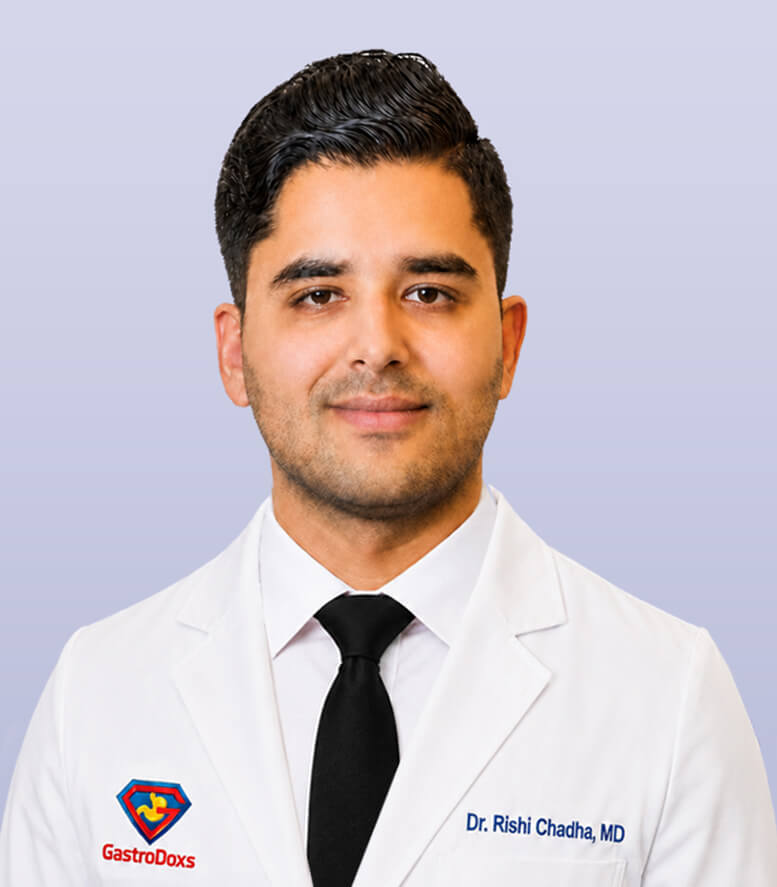
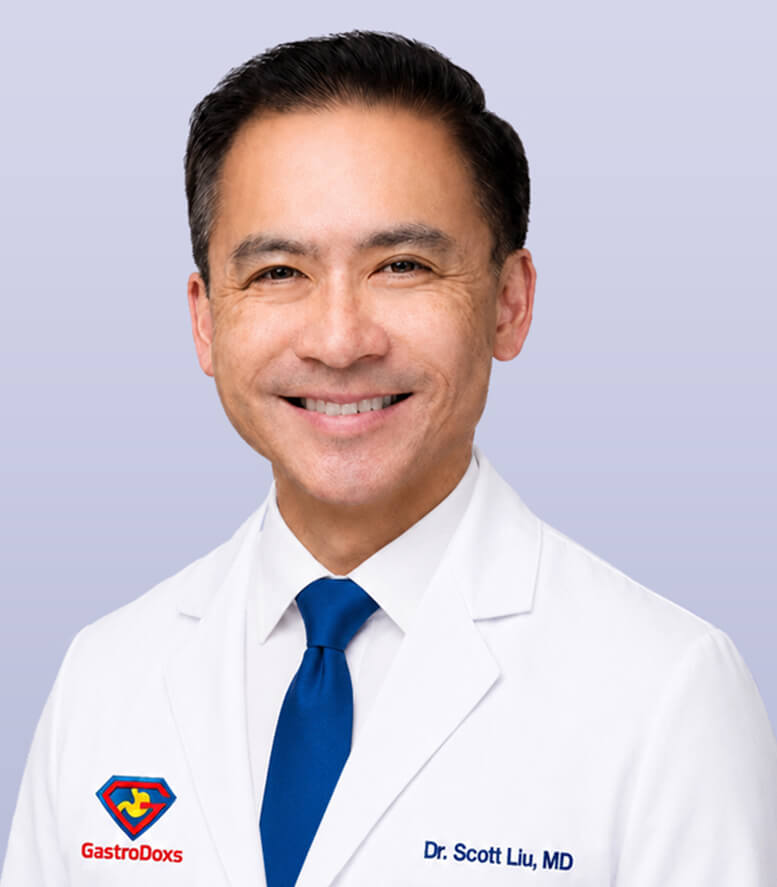
Board-Certified Gastroenterology Specialists
Our team includes board-certified gastroenterologists with advanced training in esophageal disorders, upper endoscopy, and complex digestive conditions.

Board-certified gastroenterologists delivering personalized esophagitis treatment with advanced diagnostics, medication management, and comprehensive follow-up care.
When esophagitis disrupts your daily life with persistent pain, difficulty swallowing, or chest discomfort, you need a gastroenterologist who understands the urgency and complexity of esophageal inflammation. At GastroDoxs, our board-certified GI specialists deliver comprehensive esophagitis treatment using advanced upper endoscopy, targeted medication management, and personalized care plans designed to address the root cause and restore your digestive comfort.
When esophagitis disrupts your daily life with persistent pain, difficulty swallowing, or chest discomfort, you need a gastroenterologist who understands the urgency and complexity of esophageal inflammation. At GastroDoxs, our board-certified GI specialists deliver comprehensive esophagitis treatment using advanced upper endoscopy, targeted medication management, and personalized care plans designed to address the root cause and restore your digestive comfort.
GastroDoxs GutRescue Mission™ Your rescue plan. When your diagnosis is confirmed, GastroDoxs GutRescue Mission™ deploys at full force - a gastroenterologist-led intervention plan delivering advanced colonoscopy, upper endoscopy, capsule endoscopy, and precision biologic and medication management across the full range of digestive conditions and complex GI emergencies - fighting for you with everything we have.
Esophagitis can result from acid reflux, infections, medications, or immune conditions, and each case requires careful evaluation to determine the most effective treatment approach. Our team uses state-of-the-art diagnostic tools including upper endoscopy with biopsy to assess inflammation severity, identify underlying causes, and rule out complications such as strictures or Barrett's esophagus. We then create a personalized treatment plan that may include proton pump inhibitors, dietary modifications, lifestyle counseling, and ongoing monitoring to support healing and prevent recurrence.
Jersey Village patients benefit from convenient access to our office, flexible scheduling options, and comprehensive insurance support. Whether you're experiencing new symptoms or managing chronic esophagitis, our gastroenterologists work closely with you to develop a treatment strategy that fits your health goals, lifestyle, and insurance coverage. We prioritize clear communication, timely follow-up, and coordinated care to ensure you receive the support you need at every stage of your treatment journey.
Expert Esophagitis Care Close to Home
Our team includes board-certified gastroenterologists with advanced training in esophageal disorders, upper endoscopy, and complex digestive conditions.
We use state-of-the-art upper endoscopy with biopsy to accurately diagnose esophagitis, assess inflammation severity, and identify underlying causes.
Every esophagitis case is unique. We create individualized treatment plans based on your diagnostic results, symptom severity, medical history, and lifestyle factors.
We work with most major insurance plans and offer flexible scheduling to make your esophagitis treatment accessible and convenient.
Use the map and visit details below to plan your appointment at the GastroDoxs office near Jersey Village, TX.
When to Seek Gastroenterology Care
Ongoing heartburn or chest discomfort that does not improve with over-the-counter medications may indicate esophagitis requiring professional evaluation.
Difficulty swallowing solid foods or liquids can signal esophageal inflammation, stricture, or other complications requiring prompt gastroenterology care.
Pain when swallowing may indicate severe esophagitis, ulceration, or infection that requires immediate evaluation and treatment by a GI specialist.
Chronic acid reflux can lead to esophagitis over time. If you experience frequent reflux symptoms, evaluation and treatment can prevent esophageal damage.
Feeling like food is stuck in your chest or throat may indicate esophageal narrowing or inflammation requiring urgent gastroenterology evaluation.
Unintentional weight loss or reduced appetite due to swallowing difficulty or pain may signal severe esophagitis requiring comprehensive evaluation and treatment.
Vomiting blood or passing black, tarry stools may indicate esophageal bleeding from severe esophagitis or ulceration requiring immediate medical attention.
If you have a history of Barrett's esophagus or esophageal stricture, regular monitoring and treatment are essential to prevent progression and manage symptoms.
Symptoms such as food impaction, difficulty swallowing, and chest pain may indicate eosinophilic esophagitis, a chronic immune-mediated condition requiring specialized care.
Certain medications can cause esophageal irritation and inflammation. If you develop chest pain or swallowing difficulty after starting a new medication, seek evaluation.
Your Esophagitis Treatment Journey
After you schedule your esophagitis evaluation, our team verifies your insurance coverage and confirms your appointment details.
During your visit, your board-certified gastroenterologist will review your symptoms, medical history, and prior treatments to understand your esophagitis.
If upper endoscopy or other diagnostic tests are recommended, our team will schedule the procedure and provide detailed preparation instructions.
Your esophagitis treatment includes scheduled follow-up visits to monitor healing, adjust medications, and ensure symptom improvement.
Making Esophagitis Care Accessible
GastroDoxs works with most major insurance plans to ensure your esophagitis treatment is covered and affordable.
We offer flexible appointment scheduling Monday through Saturday to accommodate your work, family, and personal commitments.
Before your appointment, our team verifies your insurance coverage and confirms your benefits for gastroenterology consultations and procedures.
Our billing specialists are available to answer questions about insurance claims, payment options, and financial assistance programs.
GastroDoxs provides GI-focused care for digestive conditions using symptom review, appropriate testing, and clear next-step guidance through the GastroDoxs GutRescue Mission™.
Gastroenterologists treat esophagitis through comprehensive approaches including prescription medications to reduce acid production, heal inflammation, and manage underlying causes. Treatment may involve proton pump inhibitors, H2 blockers, or topical steroids depending on the type of esophagitis. Your specialist will create a targeted plan based on diagnostic findings and symptom severity.
Diagnostic evaluation typically includes upper endoscopy with tissue biopsies to assess inflammation severity and identify the specific type of esophagitis. Additional tests may include pH monitoring, esophageal manometry, or allergy testing depending on suspected causes. These procedures help determine the most effective treatment approach for your condition.
Medications are often essential for severe esophagitis to reduce inflammation, promote healing, and prevent complications like strictures or Barrett's esophagus. Treatment typically includes acid-suppressing medications, and may involve corticosteroids or immunomodulators for eosinophilic esophagitis. Your gastroenterologist will determine the appropriate medication regimen based on your specific diagnosis.
Dietary modifications play an important role in managing esophagitis symptoms. Avoiding trigger foods like spicy dishes, citrus, caffeine, and alcohol can reduce irritation. Eating smaller meals, staying upright after eating, and identifying personal food sensitivities help minimize symptoms. Your provider can offer personalized dietary guidance alongside medical treatment.
Treatment duration varies based on esophagitis severity and type. Mild cases may improve within 4-8 weeks with medication and lifestyle changes, while severe or chronic esophagitis may require several months of treatment. Eosinophilic esophagitis often needs ongoing management. Your gastroenterologist will monitor healing progress and adjust treatment as needed.
Minimally invasive procedures may be recommended for complications like strictures or severe cases. Endoscopic dilation can widen narrowed areas, while radiofrequency ablation may treat Barrett's esophagus. Most esophagitis cases respond well to medication and lifestyle modifications. Your specialist will discuss procedural options if conservative treatments are insufficient.
Gastroenterologists develop individualized treatment plans based on your specific type of esophagitis, severity, underlying causes, and overall health. Plans may combine medications, dietary modifications, lifestyle changes, and follow-up monitoring. This personalized approach in Jersey Village ensures treatment addresses your unique needs and optimizes healing outcomes.
Severity is assessed through endoscopic examination and biopsy results, which reveal the extent of inflammation, erosion, or ulceration. Doctors use grading systems to classify esophagitis from mild to severe. Symptom frequency, duration, and impact on quality of life also factor into severity assessment and treatment planning.
You can schedule an esophagitis evaluation by contacting GastroDoxs directly through their website or by phone. The consultation will include a thorough review of your symptoms, medical history, and discussion of diagnostic testing options. Early evaluation in Jersey Village helps prevent complications and establishes an effective treatment plan.
GastroDoxs offers comprehensive esophagitis care including advanced diagnostic procedures, medication management, and specialized treatments for various types of esophagitis. Services include upper endoscopy, therapeutic interventions, and ongoing monitoring. The practice provides evidence-based therapies tailored to each patient's specific condition and needs in Jersey Village.
Follow-up care is essential to ensure healing, monitor treatment effectiveness, and prevent recurrence. Regular appointments allow your gastroenterologist to adjust medications, assess symptom improvement, and screen for complications. Patients with Barrett's esophagus or severe cases require ongoing surveillance. Consistent follow-up optimizes long-term outcomes and quality of life.
Untreated esophagitis can lead to serious complications including esophageal strictures, ulcers, bleeding, and Barrett's esophagus, which increases cancer risk. Chronic inflammation may cause scarring and narrowing, making swallowing difficult. Early treatment prevents these complications and promotes complete healing. Seeking timely care is crucial for protecting esophageal health.
Esophagitis can recur, especially if underlying causes like acid reflux or allergen exposure persist. Maintenance therapy, lifestyle modifications, and trigger avoidance help prevent recurrence. Some patients require long-term medication management. Regular follow-up with your gastroenterologist ensures early detection and prompt treatment of any recurring inflammation.
Personalized care plans are developed after thorough evaluation including endoscopy, biopsies, and assessment of contributing factors. Plans incorporate appropriate medications, dietary recommendations, lifestyle modifications, and follow-up schedules tailored to your specific type of esophagitis. Your gastroenterologist considers your symptoms, medical history, and treatment goals when designing your individualized approach.
Consult a gastroenterologist if you experience persistent heartburn, difficulty swallowing, chest pain, or food getting stuck for more than a few weeks. Seek evaluation for symptoms unresponsive to over-the-counter treatments, or if you have bleeding, weight loss, or severe pain. Early consultation prevents complications and ensures appropriate diagnosis and treatment.
Take the next step toward relief. Book your esophagitis evaluation with a board-certified gastroenterologist today.