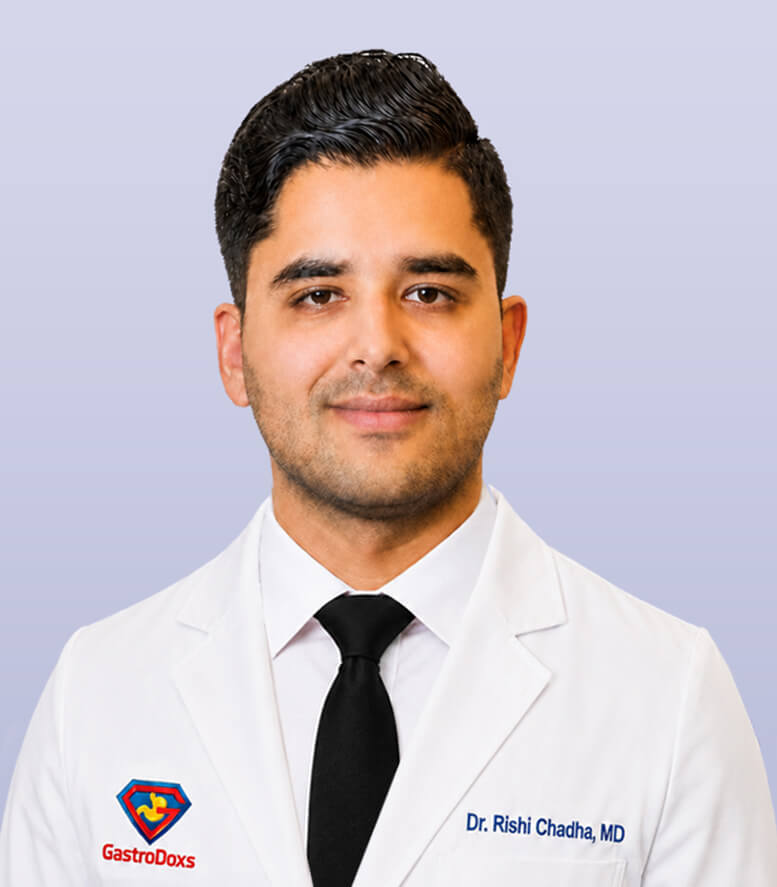
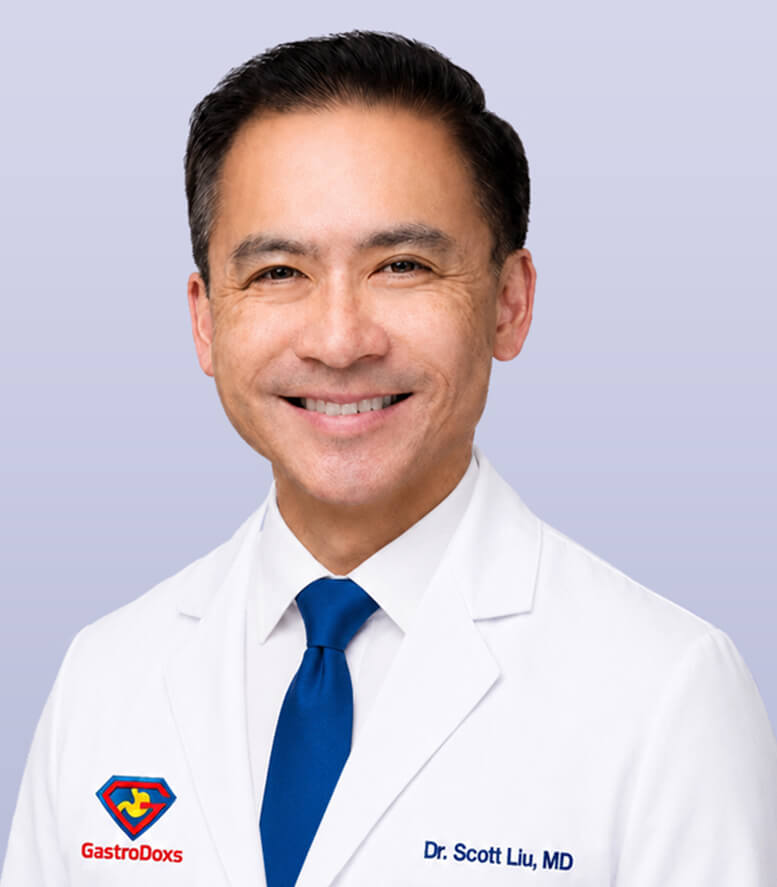
Board-Certified GI Specialists
Our gastroenterologists are board-certified with advanced training in eosinophilic esophagitis diagnosis and treatment.

Board-certified gastroenterologists delivering personalized eosinophilic esophagitis treatment plans with advanced diagnostics, prescription medication management, and dietary support.
When swallowing becomes painful and food feels stuck, eosinophilic esophagitis may be causing chronic inflammation in your esophagus. GastroDoxs delivers specialized treatment plans designed to reduce eosinophil buildup, relieve swallowing difficulties, and prevent long-term esophageal damage through advanced diagnostics and personalized medication management.
When swallowing becomes painful and food feels stuck, eosinophilic esophagitis may be causing chronic inflammation in your esophagus. GastroDoxs delivers specialized treatment plans designed to reduce eosinophil buildup, relieve swallowing difficulties, and prevent long-term esophageal damage through advanced diagnostics and personalized medication management.
GastroDoxs GutRescue Mission™ Your rescue plan. When your diagnosis is confirmed, GastroDoxs GutRescue Mission™ deploys at full force - a gastroenterologist-led intervention plan delivering advanced colonoscopy, upper endoscopy, capsule endoscopy, and precision biologic and medication management across the full range of digestive conditions and complex GI emergencies - fighting for you with everything we have.
Our board-certified gastroenterologists use upper endoscopy with esophageal biopsies to confirm eosinophilic esophagitis and assess inflammation severity. Treatment may include proton pump inhibitors, topical corticosteroids, dietary elimination protocols, and biologic therapies tailored to your specific trigger profile and symptom pattern.
Patients in Jersey Village, TX receive comprehensive care planning that addresses both immediate symptom relief and long-term esophageal health. Your GI specialist will work with you to identify food allergens, adjust medication dosing, monitor treatment response, and prevent stricture formation through regular follow-up endoscopy when clinically indicated.
Specialized eosinophilic esophagitis care with board-certified gastroenterologists
Our gastroenterologists are board-certified with advanced training in eosinophilic esophagitis diagnosis and treatment.
We perform upper endoscopy with targeted esophageal biopsies to confirm diagnosis and monitor treatment response.
Every eosinophilic esophagitis treatment plan is tailored to your biopsy findings, symptom severity, and trigger profile.
We accept most major insurance plans and help verify coverage for endoscopy, biopsies, and specialty medications.
Use the map and visit details below to plan your appointment at the GastroDoxs office near Jersey Village, TX.
Common symptoms and situations that warrant gastroenterology evaluation
Persistent trouble swallowing solid foods, especially meat and bread, may indicate esophageal eosinophil buildup.
Episodes where food becomes completely stuck and requires emergency endoscopy suggest advanced eosinophilic esophagitis.
Chest discomfort or pain during meals, especially with solid foods, may reflect esophageal inflammation.
Heartburn symptoms that don't improve with proton pump inhibitors may actually be eosinophilic esophagitis.
Patients with asthma, eczema, or food allergies have higher risk for eosinophilic esophagitis.
Behavioral changes like eating slowly, cutting food into small pieces, or avoiding certain textures may signal esophageal narrowing.
Unintentional weight loss due to swallowing problems or food avoidance requires prompt gastroenterology evaluation.
Endoscopic findings of esophageal rings, furrows, or white plaques suggest eosinophilic esophagitis and warrant biopsy.
Patients on eosinophilic esophagitis therapy require follow-up endoscopy to assess treatment response and adjust management.
Patients with severe or refractory eosinophilic esophagitis may benefit from newer biologic medications.
Your path from appointment scheduling to eosinophilic esophagitis treatment planning
Our team verifies your insurance coverage and sends intake forms to complete before your visit.
Your gastroenterologist reviews your symptoms, examines you, and discusses diagnostic and treatment options.
If endoscopy is recommended, our team schedules the procedure and provides preparation instructions.
After biopsy results confirm eosinophilic esophagitis, your gastroenterologist creates a personalized treatment plan.
We help verify coverage and coordinate care for eosinophilic esophagitis treatment
We verify your insurance benefits for gastroenterology consultation, endoscopy, biopsies, and specialty medications.
We handle prior authorization requirements for endoscopy procedures and specialty medications.
We offer convenient appointment times Monday through Saturday to accommodate your schedule.
We help identify financial assistance options for specialty medications and procedures.
GastroDoxs provides GI-focused care for digestive conditions using symptom review, appropriate testing, and clear next-step guidance through the GastroDoxs GutRescue Mission™.
Gastroenterologists treat eosinophilic esophagitis through a combination of approaches including proton pump inhibitors, topical corticosteroids, dietary elimination therapy, and esophageal dilation when needed. Treatment plans are tailored to each patient's specific triggers, symptom severity, and response to therapy, with regular monitoring to assess healing and adjust strategies.
Diagnosis typically involves upper endoscopy with esophageal biopsies to identify elevated eosinophil levels. Additional testing may include allergy testing, pH monitoring, and evaluation for other conditions. Multiple biopsies from different esophageal locations help confirm the diagnosis and assess the extent of inflammation throughout the esophagus.
Many severe cases require prescription medications such as swallowed topical corticosteroids or proton pump inhibitors to reduce esophageal inflammation. The necessity depends on symptom severity, degree of eosinophilic infiltration, and response to dietary interventions. Your gastroenterologist will determine the most appropriate medication strategy based on your individual condition.
Dietary modifications are a cornerstone of eosinophilic esophagitis management. Elimination diets removing common triggers like dairy, wheat, eggs, soy, nuts, and seafood can significantly reduce inflammation. Some patients benefit from targeted elimination based on allergy testing, while others follow empiric six-food or four-food elimination protocols under medical supervision.
Initial treatment response typically occurs within 6-12 weeks, though eosinophilic esophagitis is a chronic condition requiring ongoing management. Follow-up endoscopy is usually performed after 8-12 weeks to assess treatment effectiveness. Long-term maintenance therapy is often necessary to prevent symptom recurrence and esophageal complications like strictures or narrowing.
Esophageal dilation is a minimally invasive procedure used when strictures or narrowing develop from chronic inflammation. This outpatient procedure gently stretches the esophagus to improve swallowing. However, dilation addresses symptoms rather than underlying inflammation, so it's typically combined with medical or dietary therapy for comprehensive management.
Gastroenterologists develop highly personalized treatment plans based on your specific triggers, symptom patterns, endoscopic findings, and lifestyle factors. Plans may combine medications, dietary modifications, and monitoring schedules tailored to your needs. Treatment is adjusted based on your response, ensuring the most effective approach for your individual condition.
Severity is assessed through endoscopic appearance, eosinophil counts on biopsy, symptom frequency and intensity, and presence of complications like strictures or food impactions. Doctors evaluate esophageal features including rings, furrows, white plaques, and narrowing. Biopsy results showing eosinophil density help guide treatment intensity and monitoring frequency.
Contact GastroDoxs to schedule a consultation for eosinophilic esophagitis evaluation in Jersey Village. During your appointment, the gastroenterologist will review your symptoms, medical history, and previous treatments, then recommend appropriate diagnostic testing and develop a comprehensive treatment plan tailored to your specific needs and concerns.
GastroDoxs in Jersey Village offers comprehensive eosinophilic esophagitis care including advanced diagnostic endoscopy, personalized dietary counseling, medication management, and follow-up monitoring. Treatment approaches incorporate the latest evidence-based therapies, including topical corticosteroids, elimination diets, and esophageal dilation when necessary, all coordinated through individualized care plans.
Follow-up care is essential for eosinophilic esophagitis management. Regular monitoring through repeat endoscopy and biopsies ensures treatment effectiveness and esophageal healing. Ongoing appointments allow for treatment adjustments, assessment of dietary modifications, and early detection of complications. Consistent follow-up helps maintain remission and prevents long-term esophageal damage.
Untreated eosinophilic esophagitis can lead to esophageal strictures, narrowing, and remodeling that makes swallowing progressively difficult. Food impactions requiring emergency intervention may occur. Chronic inflammation can cause permanent structural changes to the esophagus. Early diagnosis and consistent treatment help prevent these complications and preserve normal esophageal function.
Eosinophilic esophagitis is a chronic condition with potential for recurrence if treatment is discontinued. Many patients require ongoing maintenance therapy with medications or dietary restrictions to prevent symptom return and inflammation. Regular monitoring helps detect early recurrence, allowing prompt treatment adjustments to maintain remission and prevent complications.
Personalized care plans are developed based on endoscopic findings, biopsy results, identified food triggers, symptom severity, and patient preferences. Plans may include specific dietary eliminations, medication regimens, lifestyle modifications, and monitoring schedules. Treatment is continuously refined based on symptom response and follow-up testing to optimize outcomes for each individual.
Consult a gastroenterologist if you experience persistent difficulty swallowing, food getting stuck, chest pain, or heartburn unresponsive to standard treatments. Early evaluation is important if you have frequent food impactions or worsening symptoms. Prompt diagnosis and treatment can prevent complications and improve quality of life through appropriate management strategies.
Book your eosinophilic esophagitis evaluation with a board-certified gastroenterologist and start your personalized treatment plan today.