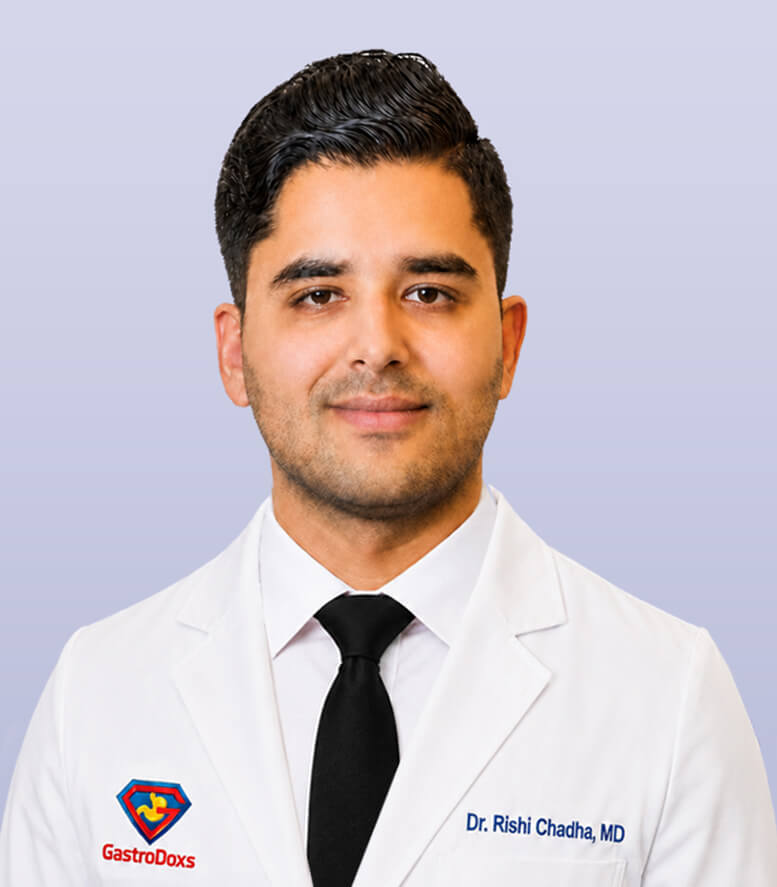
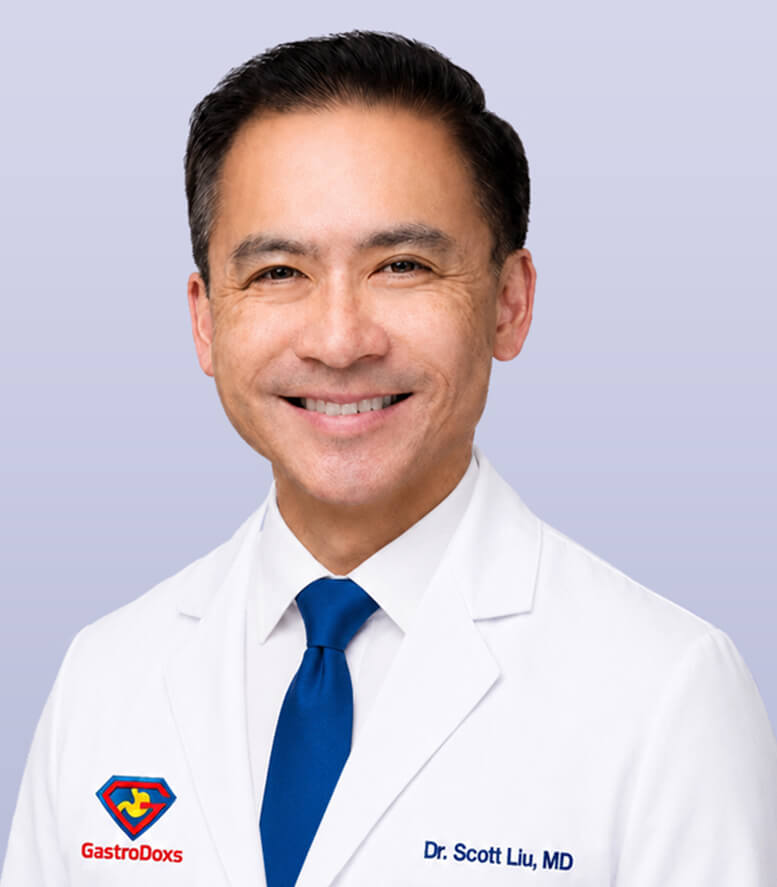
Board-Certified GI Specialists
Our gastroenterologists are board-certified and fellowship-trained in advanced colonoscopy techniques for safe, effective polyp detection and removal.

Early detection and removal of colon polyps with board-certified GI specialists. Colonoscopy, polypectomy, and personalized follow-up care to help reduce your colorectal cancer risk.
Colon polyps are common growths in the lining of the colon that can develop into colorectal cancer if left undetected. At GastroDoxs, we specialize in early screening, precise detection, and safe removal of colon polyps to help reduce your cancer risk and support long-term digestive wellness.
Colon polyps are common growths in the lining of the colon that can develop into colorectal cancer if left undetected. At GastroDoxs, we specialize in early screening, precise detection, and safe removal of colon polyps to help reduce your cancer risk and support long-term digestive wellness.
GastroDoxs GutRescue Mission™ Your rescue plan. When your diagnosis is confirmed, GastroDoxs GutRescue Mission™ deploys at full force - a gastroenterologist-led intervention plan delivering advanced colonoscopy, upper endoscopy, capsule endoscopy, and precision biologic and medication management across the full range of digestive conditions and complex GI emergencies - fighting for you with everything we have.
Our board-certified gastroenterologists use advanced colonoscopy techniques to identify and remove polyps during the same procedure when possible. We provide personalized screening schedules based on your age, family history, and polyp type to help you stay ahead of potential complications.
Whether you need routine screening, polyp removal, or ongoing surveillance after previous polyp detection, GastroDoxs offers comprehensive care tailored to your individual risk profile and treatment goals.
Board-certified gastroenterologists delivering advanced colon polyp detection, removal, and personalized surveillance care
Our gastroenterologists are board-certified and fellowship-trained in advanced colonoscopy techniques for safe, effective polyp detection and removal.
We use high-definition colonoscopy equipment and specialized polypectomy tools to identify and remove polyps with precision during the same procedure.
Your GI specialist will create a customized follow-up schedule based on your polyp pathology, family history, and individual risk factors to support long-term health.
We accept most major insurance plans and offer flexible appointment scheduling to make your colon polyp screening and treatment as convenient as possible.
Use the map and visit details below to plan your appointment at the GastroDoxs office near Jersey Village, TX.
Common signs, risk factors, and screening needs that may prompt a colon polyp evaluation
Adults age 45 and older should begin regular colonoscopy screening to detect polyps early before they develop into cancer.
If you have a family history of colorectal cancer or polyps, your gastroenterologist may recommend earlier or more frequent screening.
If polyps were found during a prior colonoscopy, follow-up surveillance is important to monitor for new polyp development.
Visible blood in your stool or rectal bleeding may indicate polyps or other colon conditions that require evaluation.
Persistent diarrhea, constipation, or changes in stool consistency may warrant a colonoscopy to rule out polyps or other digestive issues.
Ongoing abdominal discomfort or cramping may be related to polyps or other colon conditions that require gastroenterology evaluation.
If a fecal immunochemical test or stool DNA test is positive, a diagnostic colonoscopy is needed to identify and remove any polyps.
Patients with Crohn's disease or ulcerative colitis have an increased risk of colon polyps and colorectal cancer, requiring regular surveillance.
Conditions such as familial adenomatous polyposis or Lynch syndrome require specialized screening and polyp management by a gastroenterologist.
Chronic blood loss from polyps can lead to anemia, prompting the need for colonoscopy to identify and treat the source.
Your step-by-step guide from scheduling to colonoscopy and follow-up care
Our team will verify your insurance coverage, confirm your appointment details, and provide pre-procedure instructions including bowel preparation guidelines.
Before your colonoscopy, your gastroenterologist will review your medical history, discuss the procedure, and answer your questions. You will receive detailed bowel prep instructions to ensure optimal visualization.
During the procedure, your GI specialist will examine your colon using advanced imaging technology. If polyps are found, they are typically removed during the same visit and sent for pathology analysis.
After your colonoscopy, your gastroenterologist will discuss findings and create a personalized surveillance schedule based on polyp type, size, and number to support your long-term digestive health.
We accept most major insurance plans and offer flexible scheduling to make your colon polyp care accessible
GastroDoxs works with most major insurance carriers to help make your colon polyp screening and treatment affordable and accessible.
Our team will verify your insurance benefits and explain your coverage for colonoscopy, polyp removal, and follow-up care before your appointment.
We offer convenient scheduling Monday through Saturday to accommodate your work and personal commitments. Book online or call our office directly.
Our patient care coordinators are available to answer billing questions, assist with insurance concerns, and help you navigate every step of your colon polyp treatment.
GastroDoxs provides GI-focused care for digestive conditions using symptom review, appropriate testing, and clear next-step guidance through the GastroDoxs GutRescue Mission™.
Gastroenterologists treat colon polyps primarily through polypectomy during colonoscopy, using specialized instruments to remove polyps completely. The procedure is typically performed as an outpatient service. Removed polyps are sent for pathology analysis to determine type and guide future surveillance. Treatment effectiveness depends on complete removal and appropriate follow-up scheduling.
Colonoscopy remains the gold standard for diagnosing colon polyps, allowing direct visualization and biopsy. Advanced imaging techniques may include narrow-band imaging or chromoendoscopy to better characterize polyp features. Pathology testing determines whether polyps are hyperplastic, adenomatous, or contain dysplasia. These diagnostics guide treatment decisions and surveillance intervals in Jersey Village, TX.
Most colon polyps can be removed through minimally invasive colonoscopic techniques, including snare polypectomy or endoscopic mucosal resection. These procedures avoid the need for surgery in the majority of cases. Complex or large polyps may require advanced endoscopic techniques. Your gastroenterologist will determine the most appropriate removal method based on polyp characteristics.
While diet alone cannot guarantee prevention, certain dietary patterns may reduce polyp risk. A high-fiber diet rich in fruits, vegetables, and whole grains is associated with lower polyp formation. Limiting red and processed meats, reducing alcohol consumption, and maintaining healthy weight are beneficial. Your provider can offer personalized nutritional guidance as part of comprehensive care.
The polypectomy procedure itself typically takes minutes during colonoscopy, though the entire appointment may last one to two hours including preparation and recovery. Most patients resume normal activities within 24 hours. Recovery time varies based on polyp size and removal technique. Follow-up surveillance colonoscopy timing depends on polyp pathology and number removed.
Complex polyps may require advanced endoscopic techniques such as endoscopic mucosal resection or endoscopic submucosal dissection. These specialized procedures allow removal of larger or flat polyps that are difficult to treat with standard polypectomy. Experienced gastroenterologists in Jersey Village, TX can perform these techniques when indicated, potentially avoiding surgical intervention.
Gastroenterologists develop individualized treatment plans based on polyp characteristics, number, size, pathology results, and patient health history. Plans include removal strategy, surveillance colonoscopy intervals, and risk reduction recommendations. Personalized approaches consider family history and genetic factors. Your provider will tailor follow-up care to your specific needs and risk profile.
Polyp type and severity are determined through visual assessment during colonoscopy and pathological examination of removed tissue. Pathologists classify polyps as hyperplastic, adenomatous, sessile serrated, or other types, and assess for dysplasia. Size, number, and histology determine cancer risk and appropriate surveillance intervals. This information guides your ongoing care strategy.
You can schedule a consultation by contacting GastroDoxs directly through their website or by phone. Initial appointments typically include medical history review, symptom discussion, and examination. Your gastroenterologist will determine if colonoscopy is appropriate and discuss preparation instructions. Jersey Village, TX patients can expect comprehensive evaluation and personalized care planning.
Follow-up colonoscopies are essential after polyp removal to monitor for recurrence and detect new polyps early. Surveillance intervals range from one to ten years depending on polyp pathology, number, and size. Your gastroenterologist will establish a personalized surveillance schedule. Regular follow-up in Jersey Village, TX helps maintain long-term digestive health and reduces cancer risk.
Certain types of colon polyps, particularly adenomatous polyps, can develop into colorectal cancer over time if left untreated. This progression typically occurs over several years, making early detection and removal crucial. Not all polyps become cancerous, but removal eliminates this risk. Regular screening and polyp removal significantly reduce colorectal cancer incidence.
Most colon polyps are effectively managed through non-surgical endoscopic removal during colonoscopy. These minimally invasive techniques successfully treat the vast majority of polyps without requiring traditional surgery. Advanced endoscopic procedures can address even large or complex polyps. Surgical intervention is rarely necessary and reserved for specific situations that cannot be managed endoscopically.
New polyps can develop after removal, which is why surveillance colonoscopy is important. Recurrence risk depends on polyp type, number removed, and individual factors like genetics and lifestyle. Patients who have had adenomatous polyps face higher risk of developing new ones. Regular follow-up colonoscopies detect new polyps early when they are easiest to remove.
Personalized care plans incorporate polyp pathology results, patient medical history, family history, and individual risk factors. Plans specify surveillance colonoscopy intervals, lifestyle modifications, and dietary recommendations. Your gastroenterologist considers your specific circumstances to optimize prevention strategies. Regular communication ensures your plan adapts to changing health needs and new findings.
GastroDoxs offers experienced gastroenterologists skilled in advanced polypectomy techniques and comprehensive digestive care. The practice emphasizes patient education, personalized treatment planning, and evidence-based surveillance protocols. State-of-the-art endoscopic equipment enables effective polyp detection and removal. Jersey Village, TX patients receive compassionate care focused on long-term digestive health and cancer prevention.
Take the next step toward early detection and polyp removal. Book your colonoscopy evaluation with our board-certified GI specialists today.