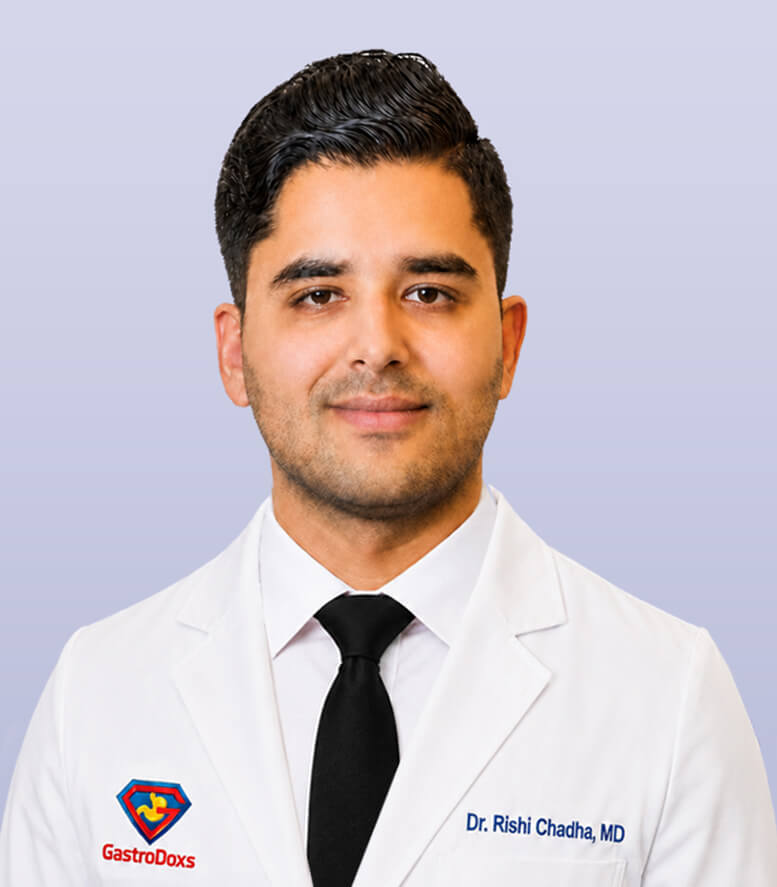
Board-Certified GI Specialists
Expert gastroenterologists trained in managing complex digestive complications related to eating disorders and malnutrition.

Board-certified gastroenterologists providing specialized care for digestive complications related to anorexia, with comprehensive evaluation and treatment planning.
Anorexia nervosa can cause serious digestive complications that require specialized gastroenterology care. When restrictive eating patterns affect your GI system, board-certified specialists at GastroDoxs provide comprehensive evaluation and treatment planning to address malnutrition-related digestive damage, motility disorders, and nutritional repletion support.
Anorexia nervosa can cause serious digestive complications that require specialized gastroenterology care. When restrictive eating patterns affect your GI system, board-certified specialists at GastroDoxs provide comprehensive evaluation and treatment planning to address malnutrition-related digestive damage, motility disorders, and nutritional repletion support.
GastroDoxs GutRescue Mission™ Your rescue plan. When your diagnosis is confirmed, GastroDoxs GutRescue Mission™ deploys at full force - a gastroenterologist-led intervention plan delivering advanced colonoscopy, upper endoscopy, capsule endoscopy, and precision biologic and medication management across the full range of digestive conditions and complex GI emergencies - fighting for you with everything we have.
Anorexia can lead to delayed gastric emptying, severe constipation, intestinal dysmotility, electrolyte imbalances affecting GI function, and mucosal damage throughout the digestive tract. Your GI specialist may recommend diagnostic endoscopy to assess mucosal health, motility testing to evaluate gastric and intestinal function, nutritional laboratory panels, and coordinated care planning with your multidisciplinary eating disorder treatment team.
Treatment planning focuses on supporting safe nutritional repletion while managing digestive complications. Your gastroenterologist works closely with your primary care provider, dietitian, and mental health team to monitor refeeding syndrome risk, optimize digestive function during recovery, and address complications such as gastroparesis, constipation, or electrolyte-related motility changes. Most major insurance plans are accepted, and our team provides scheduling support to help you access the specialized GI care you need during eating disorder recovery.
Specialized GI care for anorexia-related digestive complications with coordinated multidisciplinary support
Expert gastroenterologists trained in managing complex digestive complications related to eating disorders and malnutrition.
Seamless collaboration with your eating disorder treatment team for comprehensive recovery support.
Comprehensive endoscopy and motility testing to evaluate digestive complications and guide treatment planning.
Dedicated team helping you navigate insurance coverage and access the specialized GI care you need.
Use the map and visit details below to plan your appointment at the GastroDoxs office near Katy, TX.
Common digestive complications requiring gastroenterology evaluation during anorexia treatment
Severe nausea, vomiting, early satiety, and bloating caused by slowed stomach emptying from malnutrition.
Chronic constipation, abdominal pain, and slowed bowel movements from malnutrition-related motility changes.
Medical monitoring for dangerous electrolyte shifts during nutritional rehabilitation.
Upper GI complications including esophagitis, gastritis, or ulceration from malnutrition or purging behaviors.
Potassium, magnesium, and phosphorus abnormalities causing digestive symptoms and motility problems.
Rare but serious complication where severe weight loss causes intestinal compression and obstruction.
Digestive enzyme deficiency causing diarrhea, bloating, and nutrient malabsorption during refeeding.
Elevated liver enzymes or fatty liver changes related to malnutrition or rapid refeeding.
Uncomfortable digestive symptoms that develop or worsen during nutritional rehabilitation.
Medical GI oversight integrated with your multidisciplinary eating disorder recovery program.
Clear next steps from scheduling through your anorexia treatment visit
Receive confirmation details and prepare for your comprehensive GI evaluation.
Detailed assessment of digestive complications and review of your eating disorder treatment plan.
Targeted testing to evaluate digestive complications and create your personalized treatment plan.
Regular follow-up care and communication with your multidisciplinary treatment team.
Help navigating coverage and accessing specialized GI care during eating disorder treatment
Comprehensive insurance coverage for medically necessary anorexia-related GI care.
Dedicated team handling insurance requirements and treatment program coordination.
Appointment availability that works with your eating disorder treatment schedule.
Seamless information sharing with your eating disorder treatment providers.
GastroDoxs provides GI-focused care for digestive conditions using symptom review, appropriate testing, and clear next-step guidance through the GastroDoxs GutRescue Mission™.
The most successful treatment for anorexia combines medical monitoring, nutritional rehabilitation, and psychotherapy. Family-based therapy shows strong outcomes for adolescents, while cognitive-behavioral therapy helps adults. A multidisciplinary team including gastroenterologists, therapists, and dietitians in Katy, TX addresses both physical complications and psychological factors for comprehensive recovery.
A BMI below 15 is considered severely low and medically dangerous in anorexia nervosa. However, danger depends on rate of weight loss, vital signs, and medical complications rather than weight alone. Rapid weight loss, electrolyte imbalances, cardiac issues, or organ dysfunction require immediate medical evaluation regardless of current weight.
Hospitalization is typically considered when BMI falls below 15 for adults or below the 5th percentile for adolescents. However, admission decisions in Katy, TX depend on vital signs, electrolyte levels, cardiac function, rate of weight loss, and psychiatric risk rather than BMI alone. Medical instability warrants hospitalization at any weight.
Most insurance plans cover anorexia treatment as a medical and mental health condition, including outpatient visits, hospitalization, and intensive programs. Coverage varies by plan, so patients in Katy, TX should verify benefits for gastroenterology consultations, nutritional counseling, and therapy. Prior authorization may be required for certain treatment levels.
Anorexia nervosa has the highest mortality rate among eating disorders, making it particularly challenging. The combination of severe medical complications, psychological distress, and resistance to treatment creates significant difficulties. However, individual experiences vary, and all eating disorders require comprehensive medical and psychological care for recovery.
See a gastroenterologist in Katy, TX when experiencing severe constipation, abdominal pain, reflux, or digestive complications from anorexia. Gastroenterology consultation is important before and during refeeding to monitor for complications, assess organ function, and manage gastrointestinal symptoms that commonly occur with malnutrition and recovery.
Anorexia is diagnosed when there is persistent restriction of food intake leading to significantly low body weight, intense fear of weight gain, and distorted body perception. Diagnosis requires medical evaluation of weight history, eating behaviors, physical symptoms, and psychological factors. Early intervention improves outcomes, so evaluation is recommended when concerning patterns emerge.
Hospitalization is not determined by a specific weight but by medical instability including abnormal vital signs, severe electrolyte imbalances, cardiac complications, or rapid weight loss. In Katy, TX, gastroenterologists and treatment teams assess multiple factors including organ function, psychiatric risk, and ability to eat safely when determining appropriate care level.
Get specialized GI care for anorexia-related digestive complications. Board-certified gastroenterologists provide comprehensive evaluation and treatment planning to support your recovery.