Yes. Constipation is one of the most common causes of anal fissures. Hard or large stools stretch the delicate lining of the anal canal during bowel movements, which can create small tears. Repeated straining or passing dry stool increases pressure in the anal area and may prevent the tear from healing. People experiencing persistent constipation, pain during bowel movements, or bright red bleeding should consider evaluation by a digestive specialist in Cypress, TX.
Understanding the Link Between Constipation and Anal Tears in Cypress, TX
Constipation is one of the most common digestive complaints among adults. While occasional constipation may seem minor, repeated episodes can lead to uncomfortable complications. One of the most painful complications is an anal fissure.
Many patients in Cypress, TX who experience rectal pain or bleeding during bowel movements are surprised to learn that constipation is often the underlying cause. Understanding how constipation contributes to anal fissures can help people recognize symptoms early and protect their digestive health.
This guide explains:
- What constipation is
- How constipation causes anal fissures
- Symptoms of fissures caused by hard stools
- Risk factors and digestive habits
- When to seek digestive care in Cypress, TX
What Is Constipation?
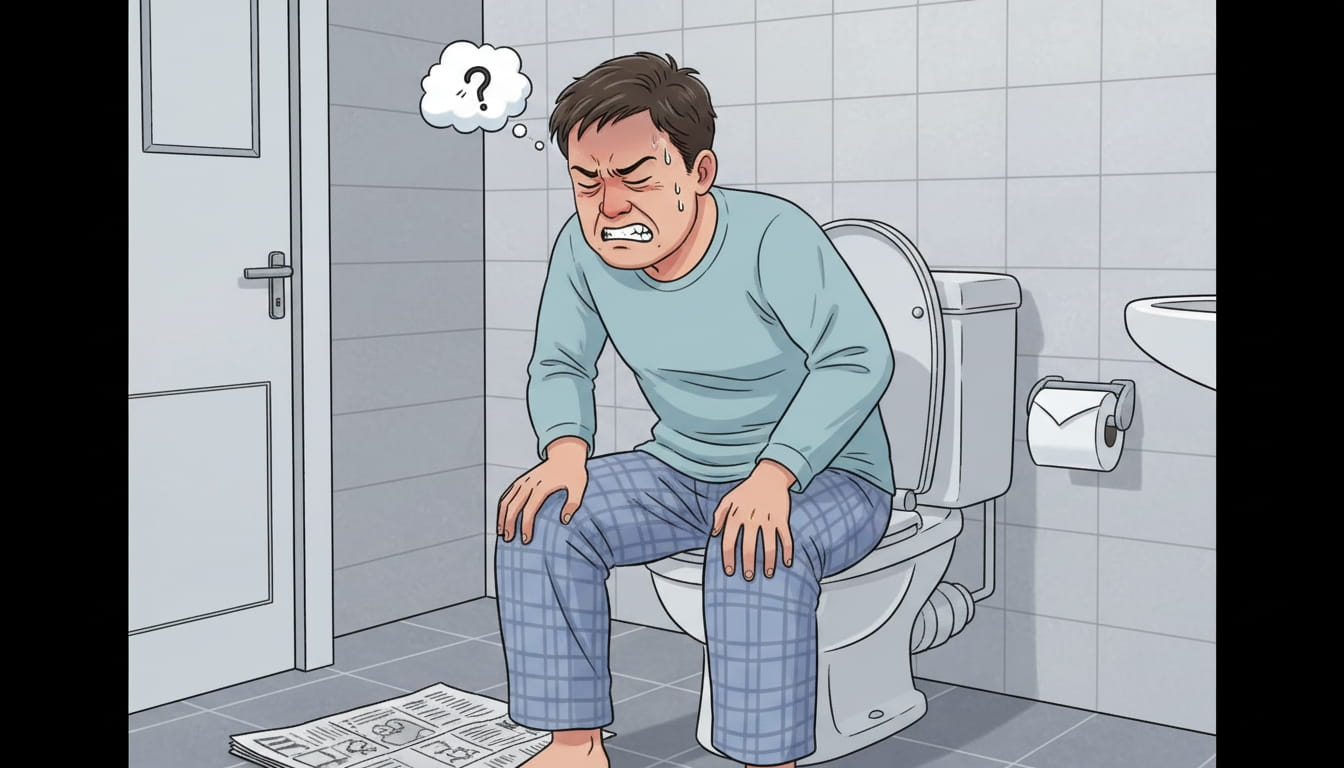
Constipation occurs when bowel movements become infrequent, difficult, or hard to pass. Many people describe constipation as having fewer than three bowel movements per week, although symptoms vary.
Common signs of constipation include:
- Hard or dry stools
- Straining during bowel movements
- Feeling that the bowel did not empty completely
- Abdominal discomfort or bloating
- Difficulty passing stool
Constipation can develop for several reasons. Diet, hydration levels, physical activity, and digestive health all influence how easily stool moves through the colon.
When constipation persists, it can place excessive pressure on the tissues surrounding the anal canal.
What Is an Anal Fissure?
An anal fissure is a small tear in the thin lining of the anal canal. This tissue is delicate and can tear when stretched too forcefully.
The anal canal contains sensitive nerve endings, which means even a small tear can cause significant pain during bowel movements.
Anal fissures are one of the most common causes of:
- Rectal pain
- Bleeding during bowel movements
- Discomfort after passing stool
Many people mistakenly assume their symptoms are caused by hemorrhoids. However, fissures and hemorrhoids involve different structures in the anal region.
How Constipation Causes Anal Fissures
Constipation is the leading cause of anal fissures. When stool becomes hard or large, it stretches the anal canal more than usual during bowel movements. This stretching can create a tear in the lining of the anal canal.
Several mechanisms contribute to fissure formation.
Hard Stools
Hard stool requires greater force to pass through the anal opening. The increased pressure can cause a tear in the tissue.
Straining
People with constipation often strain during bowel movements. Straining increases pressure in the anal canal and raises the risk of injury.
Reduced Blood Flow
The anal canal has limited blood circulation. When muscles tighten due to strain, blood flow may decrease. Reduced circulation slows healing.
Repeated Trauma
Constipation often leads to repeated straining over time. Each bowel movement may reopen the tear before it heals.
Because of these factors, constipation-related fissures may become chronic if the underlying digestive issue continues.
Symptoms of Anal Fissures Caused by Constipation
Anal fissures produce several recognizable symptoms. The most common symptom is sharp pain during bowel movements.
Patients often describe the pain as:
- Sharp
- Burning
- Tearing
- Similar to passing broken glass
Pain can continue for minutes or even hours after passing stool.
Other symptoms include:
Bright Red Blood
Small streaks of bright red blood may appear on toilet paper or on the stool surface.
Anal Spasms
Muscle spasms may occur after bowel movements. These spasms can increase discomfort and prolong pain.
Irritation or Itching
The exposed tear may cause irritation around the anal area.
Visible Skin Tag
Some chronic fissures develop a small skin tag near the tear.
Anyone experiencing persistent symptoms should seek medical evaluation.
Why Constipation Is Common in Adults
Constipation can develop due to several lifestyle and health factors. Understanding these factors helps reduce the risk of fissures.
Common causes of constipation include:
Low Fiber Diet
Fiber helps add bulk and softness to stool. Diets low in fruits, vegetables, and whole grains can lead to harder stools.
Dehydration
Water helps keep stool soft. When hydration is insufficient, stool can become dry and difficult to pass.
Sedentary Lifestyle
Physical activity supports digestive motility. Long periods of sitting may slow bowel function.
Ignoring Bowel Urges
Delaying bathroom visits can cause stool to remain in the colon longer, where it becomes harder.
Digestive Disorders
Certain digestive conditions may affect normal bowel movement patterns.
Residents in Cypress, TX, like many suburban communities, often experience constipation related to busy schedules, dietary habits, and sedentary work environments.
Acute vs Chronic Anal Fissures
Not all fissures behave the same way.
Acute Fissures
Acute fissures are recent tears. They often develop suddenly after passing a hard stool.
These fissures may improve when bowel habits become regular.
Chronic Fissures
If a fissure does not heal after several weeks, it may become chronic.
Chronic fissures may develop:
- Thickened edges
- Deeper tissue involvement
- Persistent pain
Chronic fissures often require evaluation by a digestive specialist.
Risk Factors for Constipation-Related Anal Fissures
Several factors increase the likelihood of fissure development.
Common risk factors include:
- Chronic constipation
- Frequent straining during bowel movements
- Low dietary fiber intake
- Inadequate water consumption
- Pregnancy
- Digestive disorders affecting bowel habits
- Prolonged sitting
Understanding these factors can help patients make adjustments that support digestive health.

How Doctors Diagnose Anal Fissures
Doctors typically diagnose anal fissures through symptom discussion and physical examination.
A digestive specialist will ask about:
- Bowel movement frequency
- Stool consistency
- Bleeding episodes
- Pain patterns
A visual examination of the anal area often reveals the tear. In some cases, doctors may recommend additional evaluation to rule out other causes of rectal bleeding.
Clinics serving Cypress, TX use modern diagnostic techniques to ensure accurate evaluation.
When Should You See a Doctor?
Occasional constipation may resolve with lifestyle adjustments. However, persistent symptoms should not be ignored.
You should consider medical evaluation if you experience:
- Severe pain during bowel movements
- Repeated bleeding
- Symptoms lasting longer than two weeks
- Recurring fissures
- Significant difficulty passing stool
Early evaluation helps prevent long-term complications.
Digestive Habits That Help Reduce Constipation
Digestive specialists often emphasize the importance of consistent bowel habits. Several lifestyle patterns support healthy bowel function.
Eating Fiber-Rich Foods
Fiber adds bulk to stool and helps it move through the digestive tract more easily.
Foods rich in fiber include:
- Fruits
- Vegetables
- Legumes
- Whole grains
Staying Hydrated
Adequate water intake supports digestive function and stool consistency.
Regular Physical Activity
Movement stimulates digestive motility and supports regular bowel patterns.
Responding to Natural Urges
Going to the bathroom when the urge appears prevents stool from becoming hard.
Maintaining Consistent Routines
Regular meal times and bathroom habits support predictable digestive patterns.
These habits help reduce the likelihood of constipation-related fissures.
Anal Fissures vs Hemorrhoids
People often confuse fissures with hemorrhoids because both can cause bleeding. However, they differ in several ways.
| Feature | Anal Fissure | Hemorrhoids |
|---|---|---|
| Cause | Tear in anal lining | Swollen veins |
| Pain | Usually severe | Often mild |
| Bleeding | Small streaks | May drip or spot |
| Sensation | Sharp pain | Pressure or itching |
Accurate diagnosis ensures appropriate digestive care.
Can Anal Fissures Become Chronic?
Yes. When constipation continues for long periods, fissures may reopen repeatedly. This repeated injury prevents healing and can lead to chronic fissures.
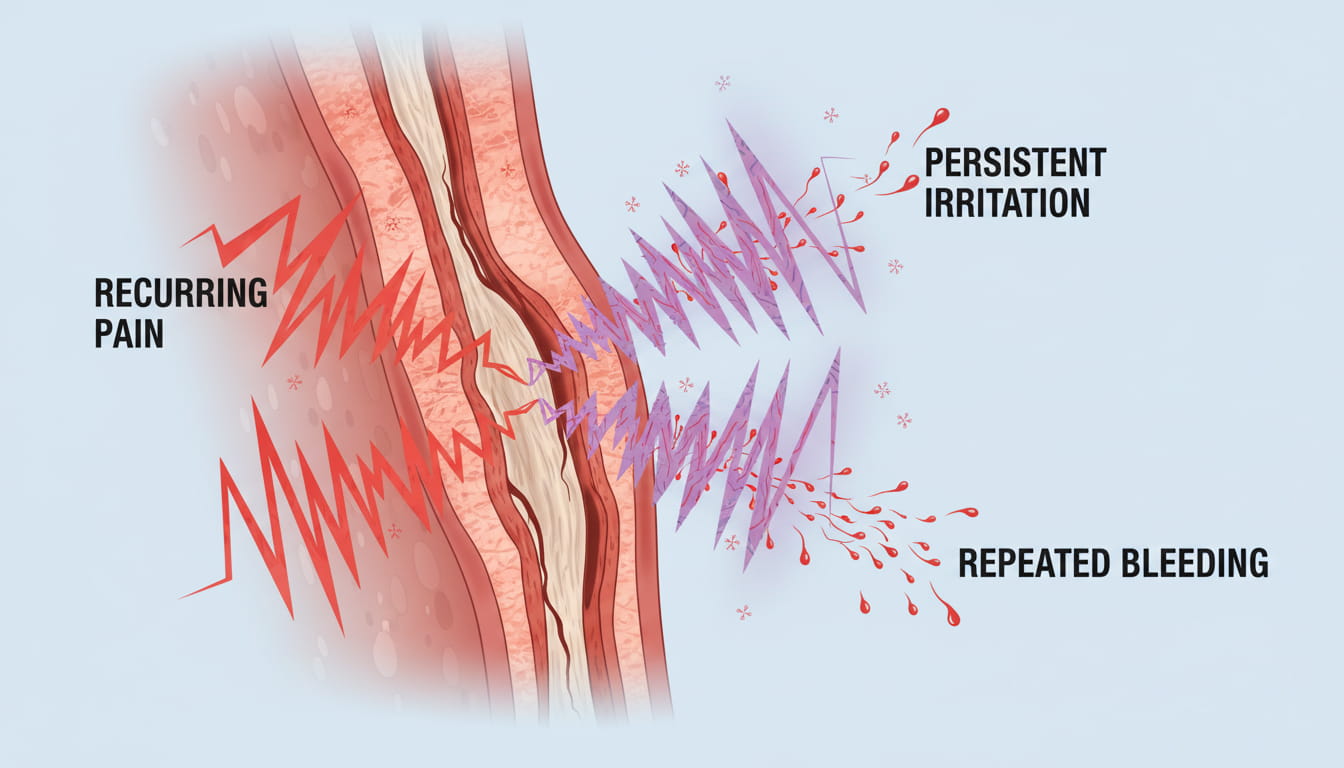
Chronic fissures often produce:
- Recurring pain
- Persistent irritation
- Repeated bleeding
Addressing the underlying constipation is essential to prevent recurrence.
Digestive Health Care in Cypress, TX
Residents of Cypress, TX have access to digestive specialists who evaluate conditions affecting the anal canal and lower gastrointestinal tract.
Digestive health clinics assess symptoms carefully and identify factors contributing to fissures, including bowel habits and digestive health conditions.
Clinics such as GastroDoxs provide comprehensive digestive evaluations for symptoms such as rectal pain, bleeding, and constipation-related discomfort.
Early evaluation can help patients understand their symptoms and maintain digestive health.
Key Takeaways
Constipation is a major cause of anal fissures. Important points to remember:
- Hard stools can tear the lining of the anal canal
- Straining during bowel movements increases risk
- Symptoms include pain, bleeding, and irritation
- Chronic constipation can lead to recurring fissures
- Digestive habits strongly influence prevention
- Persistent symptoms should be evaluated by a specialist
- Recognizing the early signs of fissures helps patients seek care before the condition becomes chronic